
For Distributors and Integrators
Start Here
Dealer & Agent Programmes
For System Integrators
Wholesale & Trade Supply
Price, Scope & Factory
Alongside end users, Tengtian works with the trade through dealer and agent programmes by product line, wholesale supply, and complete-line supply for system integrators.
Who This Section Is For: Distributors, Integrators, Wholesalers, Importers
Three trade roles buy from Tengtian, and each needs something different from the factory: a distributor resells into its own market, a regional agent represents the lines over a longer period, and a system integrator builds a complete plant around the equipment.
A distributor looks for a price-to-configuration ratio that leaves resale margin and a delivery date that holds. A regional agent looks for steady supply and punctual delivery, because its own customers depend on it. A system integrator needs the equipment maker to take responsibility across units, with a written scope of supply and an acceptance basis agreed before the order. Wholesalers, importers and trading companies buying to stock or on behalf of an end user are served through the same trade programmes.
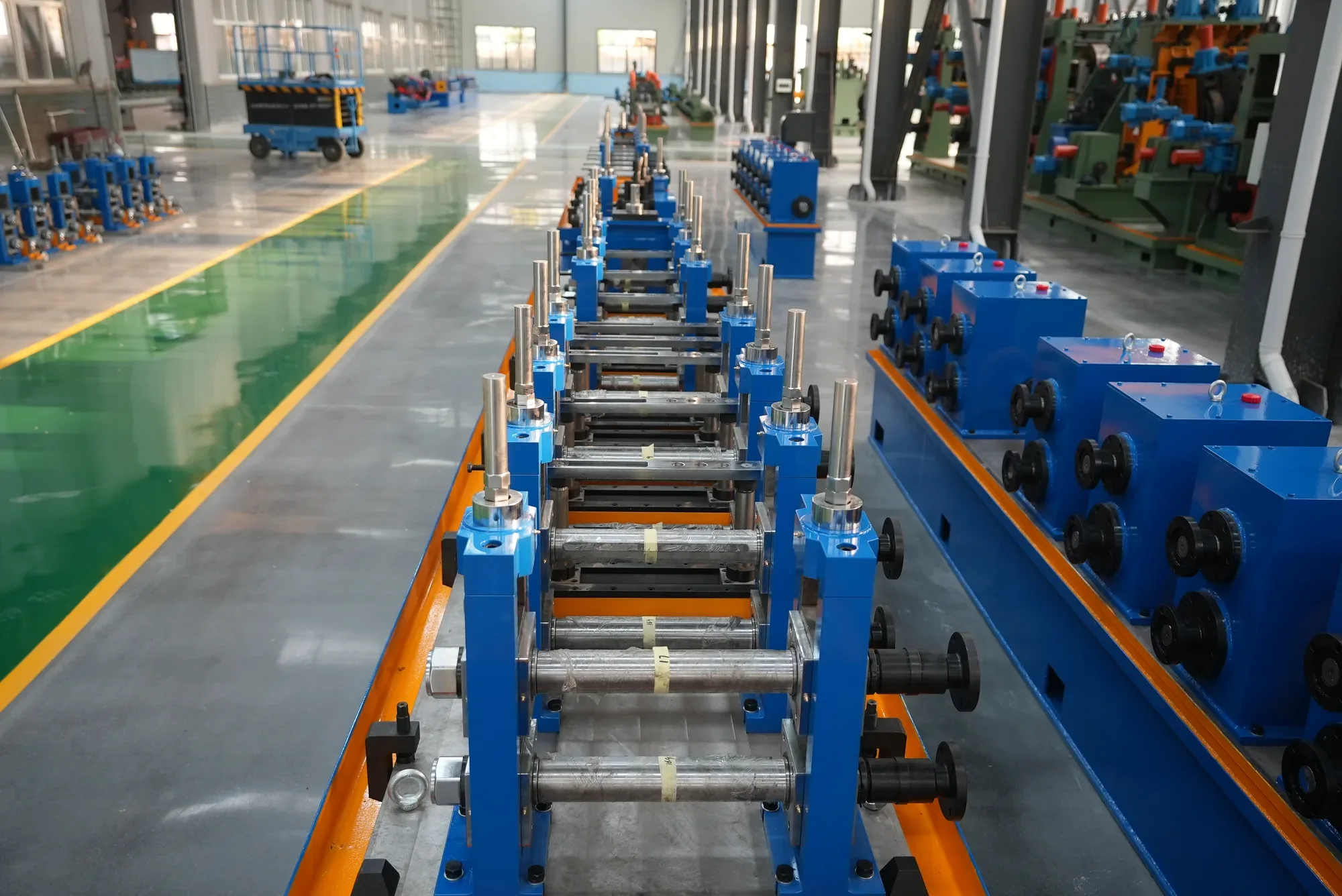
Forming rolls and key wear parts are machined at the works rather than bought in, and every quotation states its configuration tier and written scope, so partners can quote parts continuity and compare offers scope for scope.
What We Offer the Trade
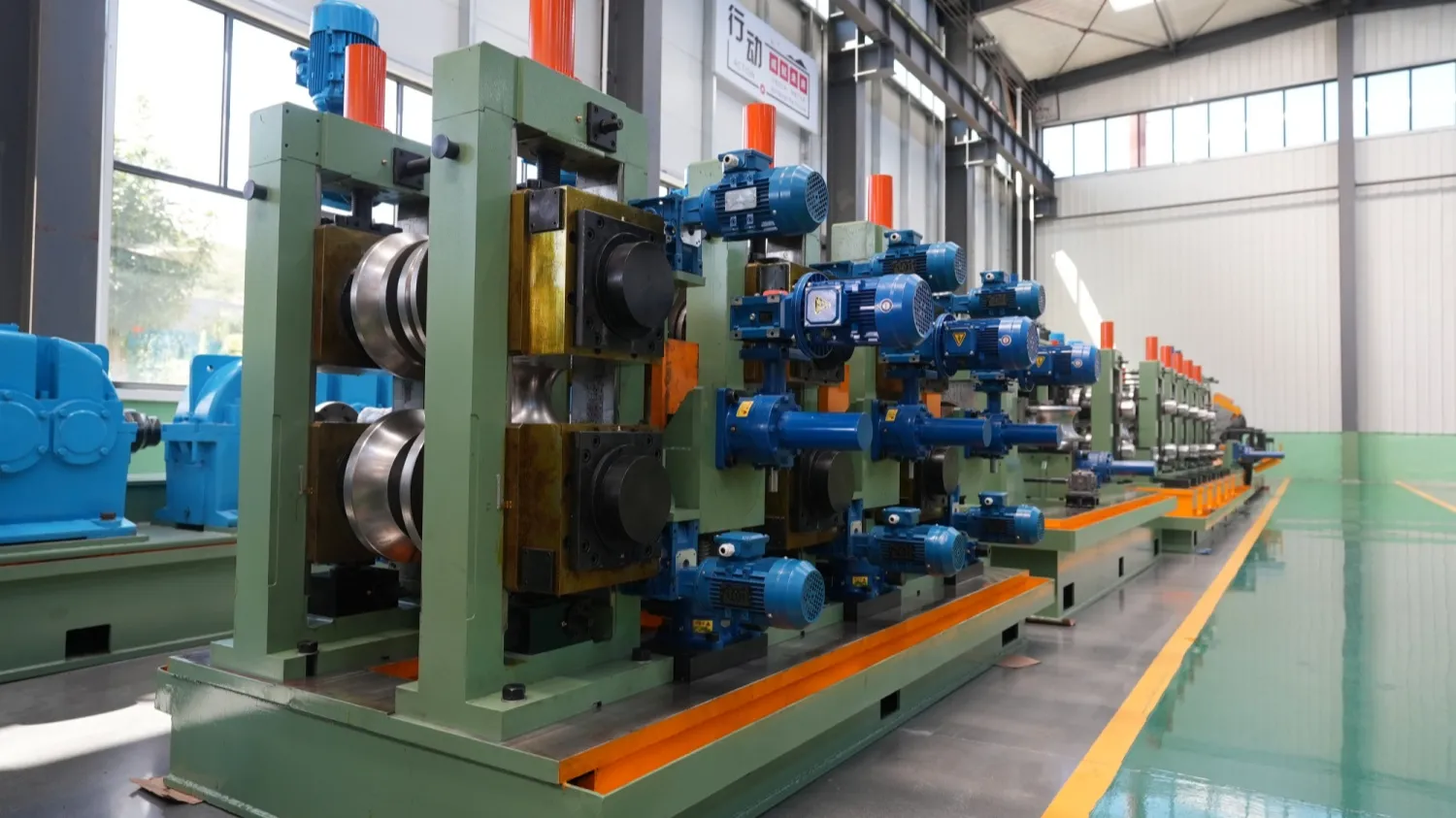 Dealer & Agent ProgrammesTengtian supplies tube mills to distributors, regional agents and plant integrators.See the section →
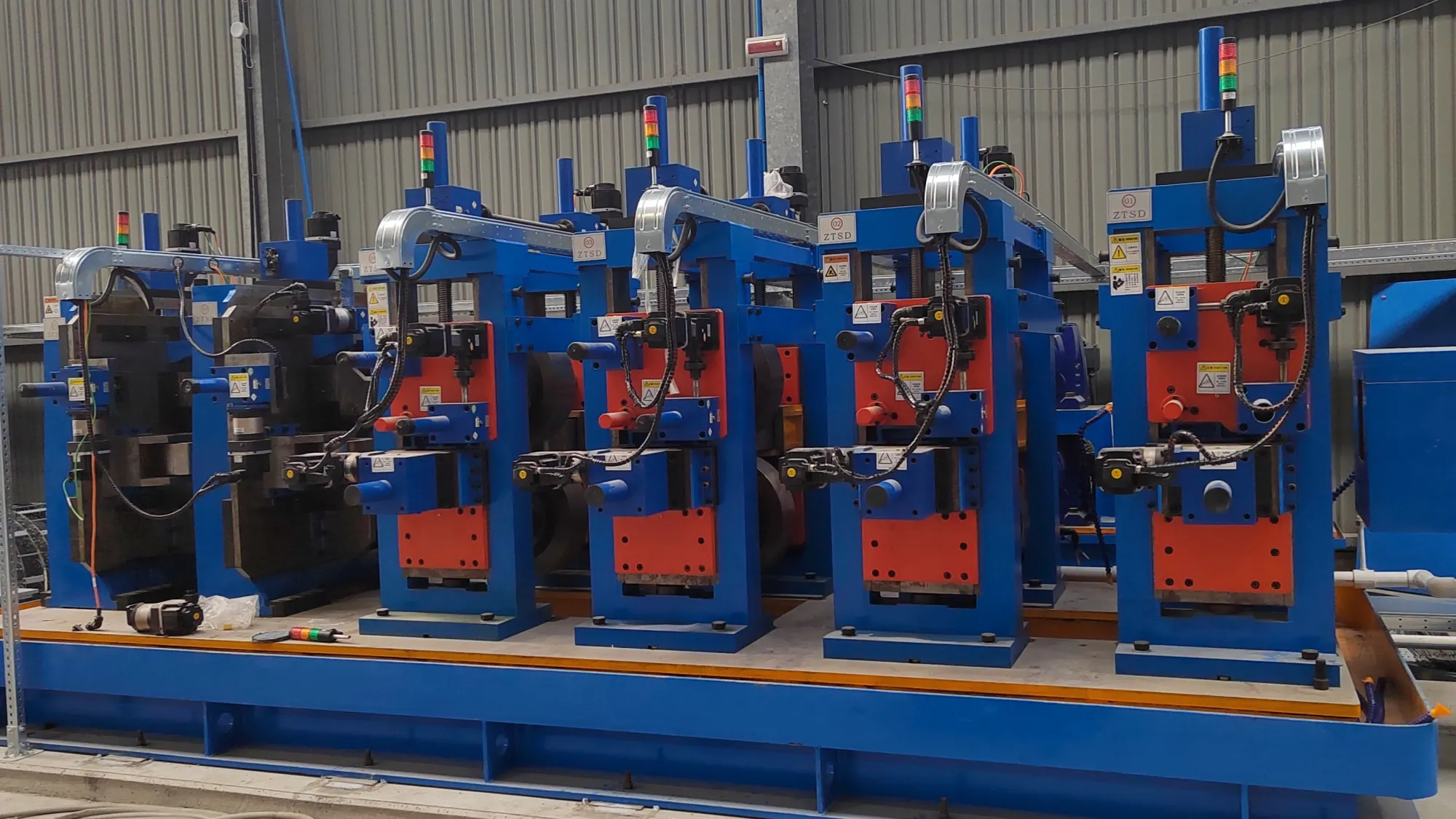 For System IntegratorsScope of supply is quoted two ways: a complete line, or individual machines and units where the plant already has part of the chain.See the section →
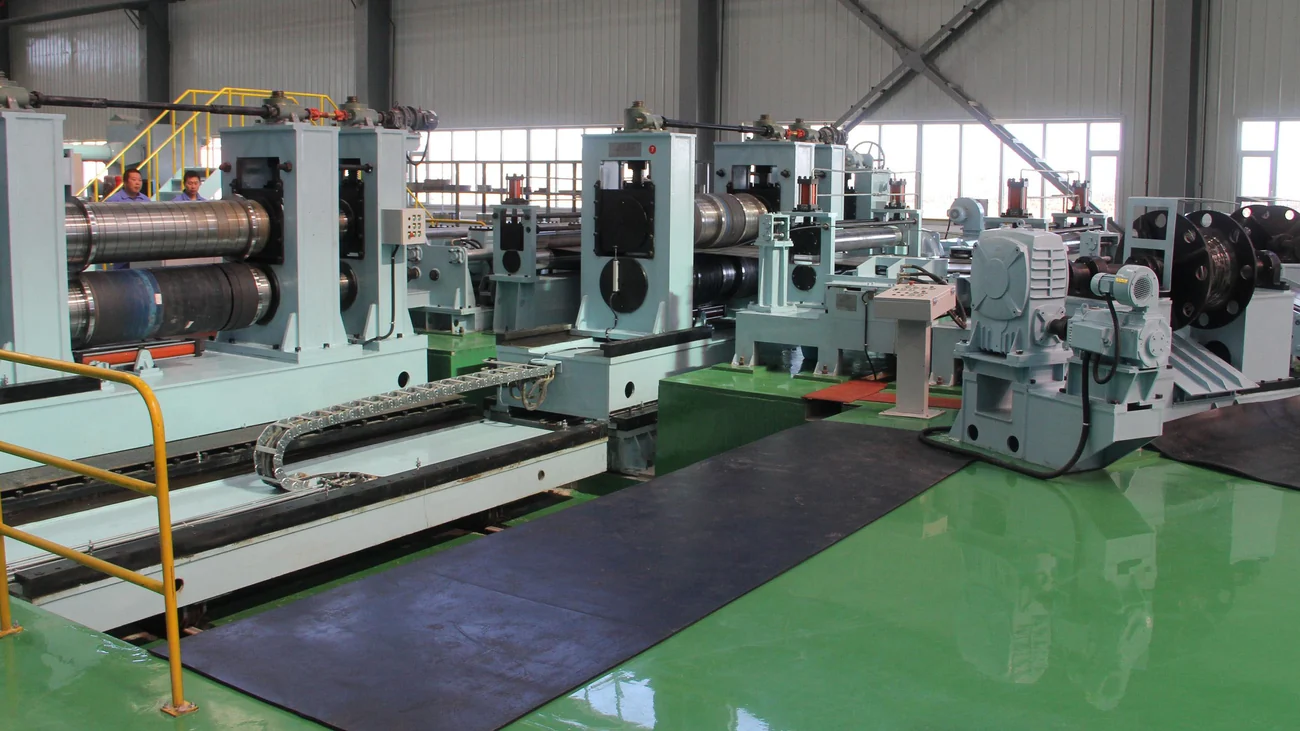 Wholesale & Trade SupplyTrade orders are paid by T/T in three stages (30% / 65% / 5%) or by L/C at sight, with ex-works (EXW) pricing.See the section →
 Price, Scope & FactoryPricing is tiered by configuration — a complete line against a base machine — and the tier decides which units, controls and inspection stations are included.See the section →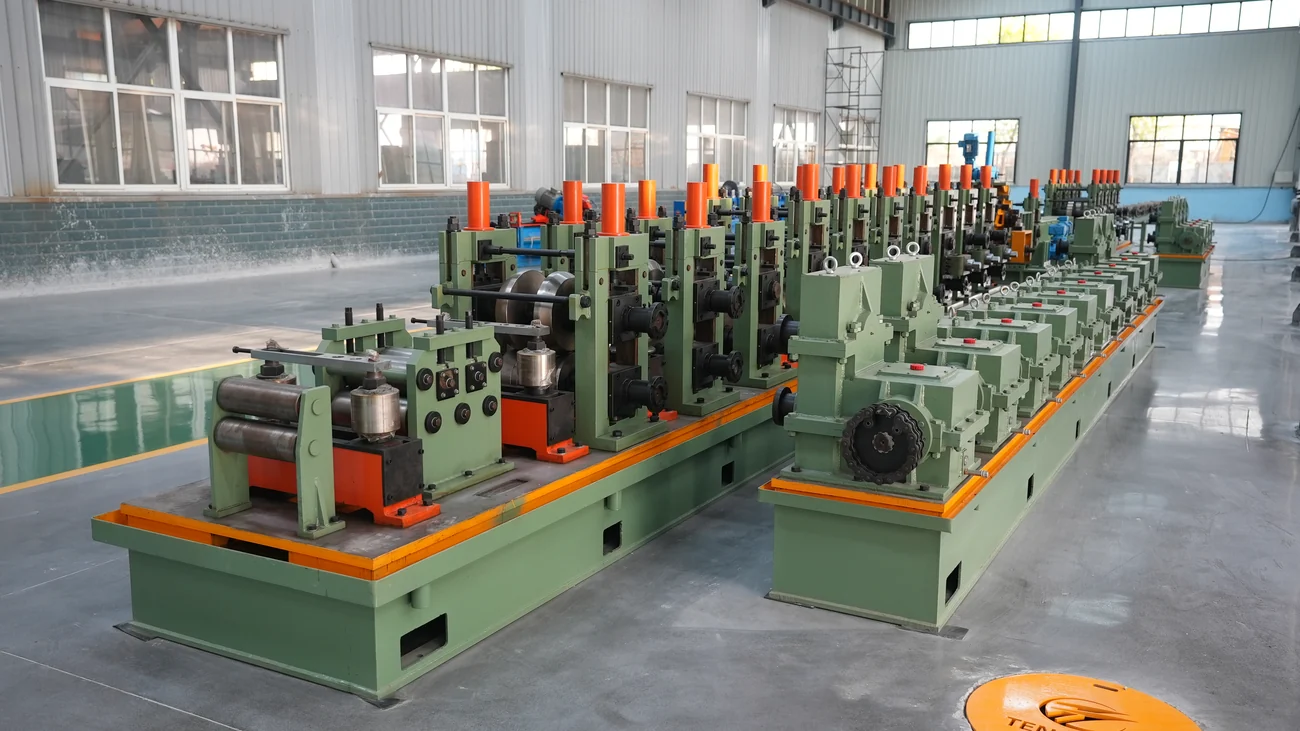
Dealer Programmes by Product Line
Within welded pipe alone that covers the tube mill & welded pipe production line range from HG32 to HG630 (Φ10–630 mm), direct-forming square tube, API line-pipe configurations, and the ssaw spiral welded pipe mill to Φ1620 mm.
Each product family has its own dealer or distributor programme, and each one covers the same three things: what the tiered configurations contain, what the partner is expected to handle locally, and what the factory covers.
The lines a partner can carry follow Tengtian’s four equipment families — welded pipe production lines, slitting and cut-to-length lines, cold roll forming lines, and H-beam production lines, with an automatic spray-painting line as a companion unit.
Which of those a partner should take on is a support question before it is a commercial one: a dealer who cannot service a spiral mill locally should not be the first point of contact for one.
What the factory keeps in every case is the part a partner cannot hold in stock: line sizing against the end user’s diameter, wall thickness and output; commissioning engineers; and continuous roll supply.
Programmes are organised by product line rather than by territory, because what a partner can sell is decided by which lines they can support after installation.
Plant Integration: Scope, Interfaces and Acceptance
Scope of supply is quoted two ways: a complete line, or individual machines and units where the plant already has part of the chain. Tiered configurations map to written scope rather than to a price point, so two quotations can be compared scope for scope.
Our engineers travel to site to guide installation, commissioning and operator training; the buyer provides the installation crew and covers the engineers’ travel, lodging and daily allowance, and support continues online after handover — which for an integrator means the commissioning risk is shared rather than transferred.
Container loading is planned with the line: lines break down into container units and precision and electrical items are crated against moisture. Lines are quoted ex-works (EXW), and the buyer books the freight.
One boundary is best agreed up front rather than discovered at acceptance: the line controls forming, welding, sizing and cut-off; it does not control the strip entering it. Incoming coil grade and flatness remain the buyer’s responsibility. What the equipment side provides is entry-end levelling and inspection capability.
Wholesale Supply and Trade Terms
Standard lines ship within 90 working days of the deposit, with plant-level customisation scheduled from our own manufacturing base. Trade orders are paid by T/T in three stages (30% / 65% / 5%) or by L/C at sight, with ex-works (EXW) pricing. Spare-part and roll supply for partners is a programme of its own and rests on the same fact that underwrites it for end users — rolls and key wear parts are machined at the works on its own CNC equipment, so a partner can quote continuity rather than hope for it.
Wholesale lots — slitting machines and cut-to-length lines in particular — have their own wholesale programme.
What a partner is asked for in return is narrow and worth stating openly: local support capability for the lines they carry, and honest positioning of the factory’s scope to their own customer — particularly the boundary that the line controls forming, welding, sizing and cut-off but not the incoming strip.
Not every trade order is a complete line. Wholesalers and importers buy in lots, and each trade role needs something different from us:
| Trade role | What they optimise for | What the factory provides | Trade programme |
|---|---|---|---|
| Distributor / reseller | Resale margin, stock turnover, short lead time | Tiered configurations mapped to written scope; shipment within 90 working days of the deposit for standard lines; our after-sales team | Dealer programme per product line |
| Regional agent | Steady margin, punctuality, factory co-operation | Delivery scheduled on own capacity; after-sales team follows the project | Dealer / agent programme |
| System integrator | Whole-line customisation, no gaps between units, engineering support | Complete-line or unit scope; on-site commissioning; scope-and-acceptance documentation | Supply scope & acceptance |
| Wholesaler / importer | Lot pricing, flexible terms, shipping certainty | T/T in three stages (30/65/5) or L/C at sight; EXW pricing | Wholesale and importer programme |
From Enquiry to Acceptance
- Send the three figuresPipe size, material grade and cut length. Wall thickness, line speed and shift output are confirmed against those at quotation.
- Tiered quotationPricing is tiered by configuration — a complete line against a base machine — and the tier decides which units, controls and inspection stations are included.
- Scope set in writingScope of supply is quoted two ways: a complete line, or individual machines and units where the plant already has part of the chain.
- ManufactureThe line is built at the works against the written scope of supply.
- Shipment, commissioning, acceptanceMain units and sub-assemblies are broken down for container shipment. On spiral-pipe projects five personnel — four engineers and an adjustment technician — are despatched for a forty-day commissioning period; on high-frequency tube mill projects the crew is two to three engineers, with the period set in the quotation. The line is accepted when two different sizes each run continuously and smoothly for four hours.
Frequently Asked Questions
FAQ 1 — What does Tengtian offer trade partners, and how are the programmes organised?
Our trade programmes are set up by product line first and by role second: each equipment family — welded pipe mills, spiral mills, square tube, purlin forming, H-beam, slitting and cut-to-length, coating — has its own dealer or distributor programme, alongside complete-line supply for integrators, wholesale supply and spare-part supply for partners.
FAQ 2 — I am a distributor, an agent or an integrator – which part is for me?
If you resell equipment into your own market, start with the dealer programme for the product line you can support.
If you build plants for end users, start with our supply scope and acceptance terms — they define where Tengtian’s scope ends and yours begins, and we send the written scope of supply on request. If you buy to stock or on behalf of a client, our wholesale and importer programme is the shortest route.
FAQ 3 — Do the trade programmes include full technical specifications?
Each line has its own full technical specification, kept separate from our trade programmes, which cover commercial terms and scope. The configuration tiers set out what each tier contains, and we send them on request.
FAQ 4 — How do I request access to supply-scope and acceptance documents?
Configuration tiers and written scope of supply are sent on request; ask for them through the enquiry channel.
FAQ 5 — Who do I talk to for a technical discussion?
Our after-sales team handles the enquiry and stays with it — the same person holds the delivery schedule, the technical thread and, later, the after-sales history. For anything that needs a drawing or a layout discussed rather than described, a 30-minute technical video call can be booked with an engineer before any commercial conversation.
The engineering team numbers 20 and averages 20 years each.
From the Workshop
Send Your Enquiry
Tell us the pipe outside-diameter range, the wall thickness and the output you need. An engineer reads every enquiry — it does not land in a general sales inbox.