
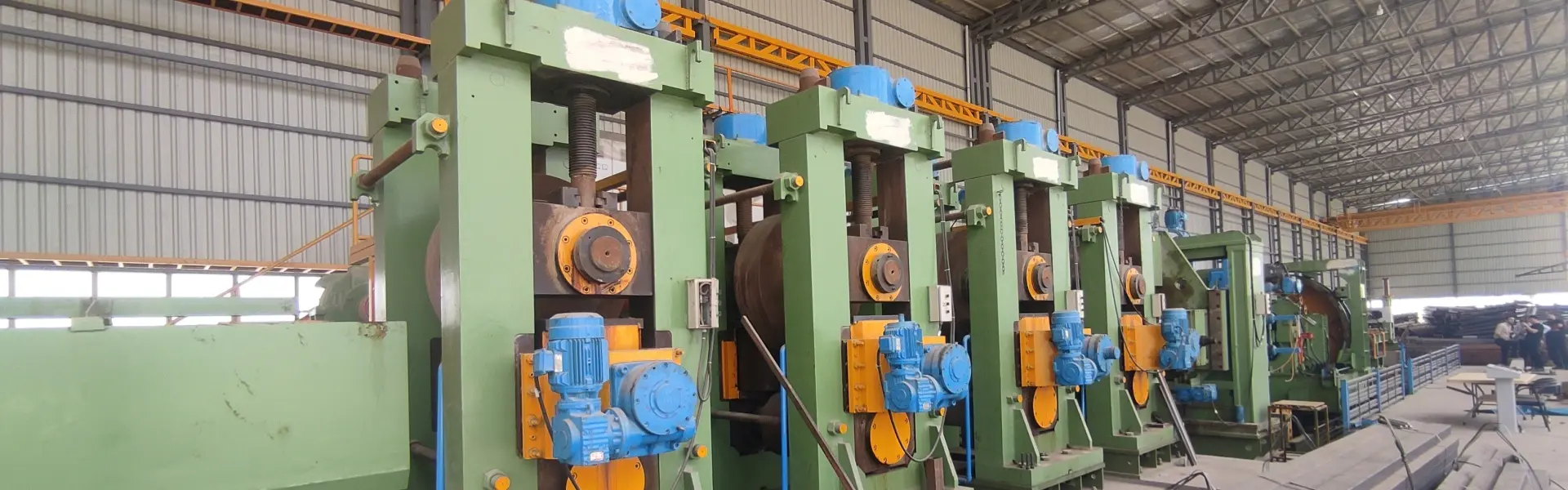
Direct Forming Square Tube Mill
In This Line
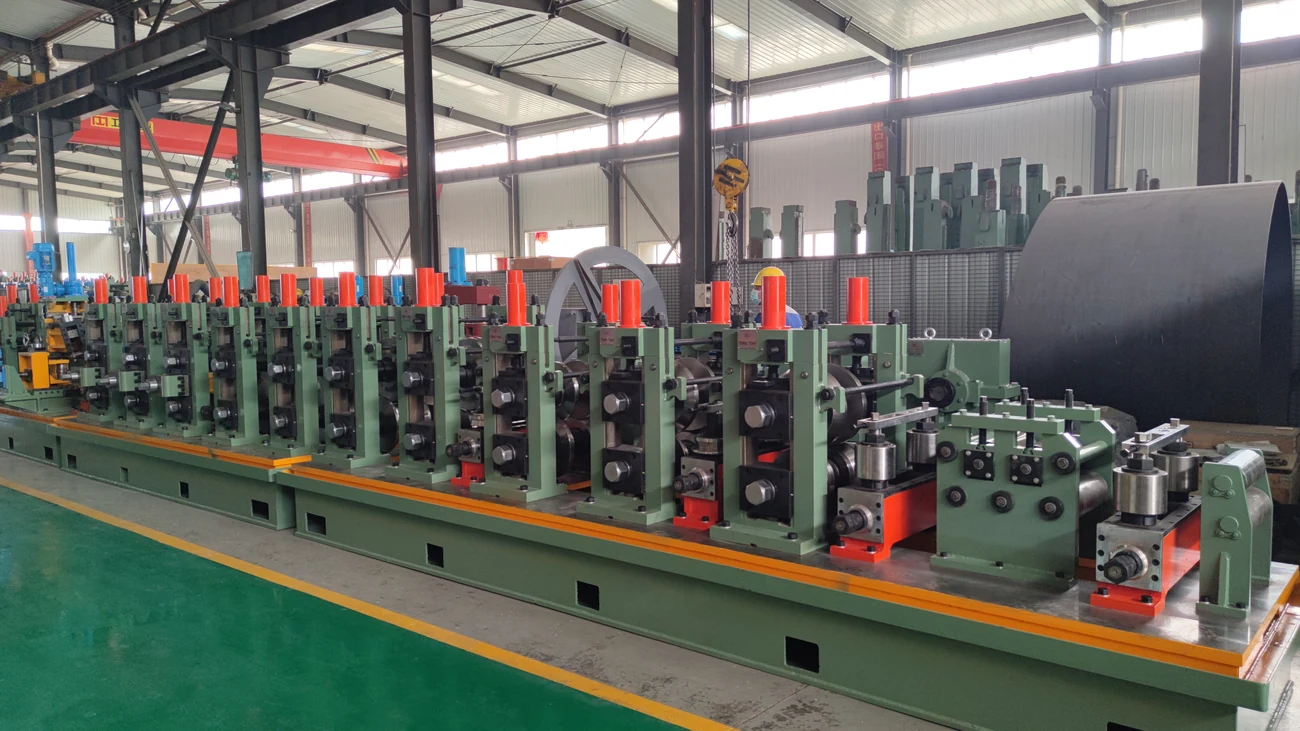
A direct-forming square pipe making machine makes square and rectangular tube with one combined mould instead of a size-specific roll set, so changing size is a servo adjustment rather than a roll change. Across seven bands it covers 30 × 30 mm to 500 × 500 mm with wall 1.5 to 20 mm, and within each band one combined roll set covers the size range, with a roll saving of over 90%. There is one exception: making 100 × 100 mm tube needs the upper roll on the final open stand changed.
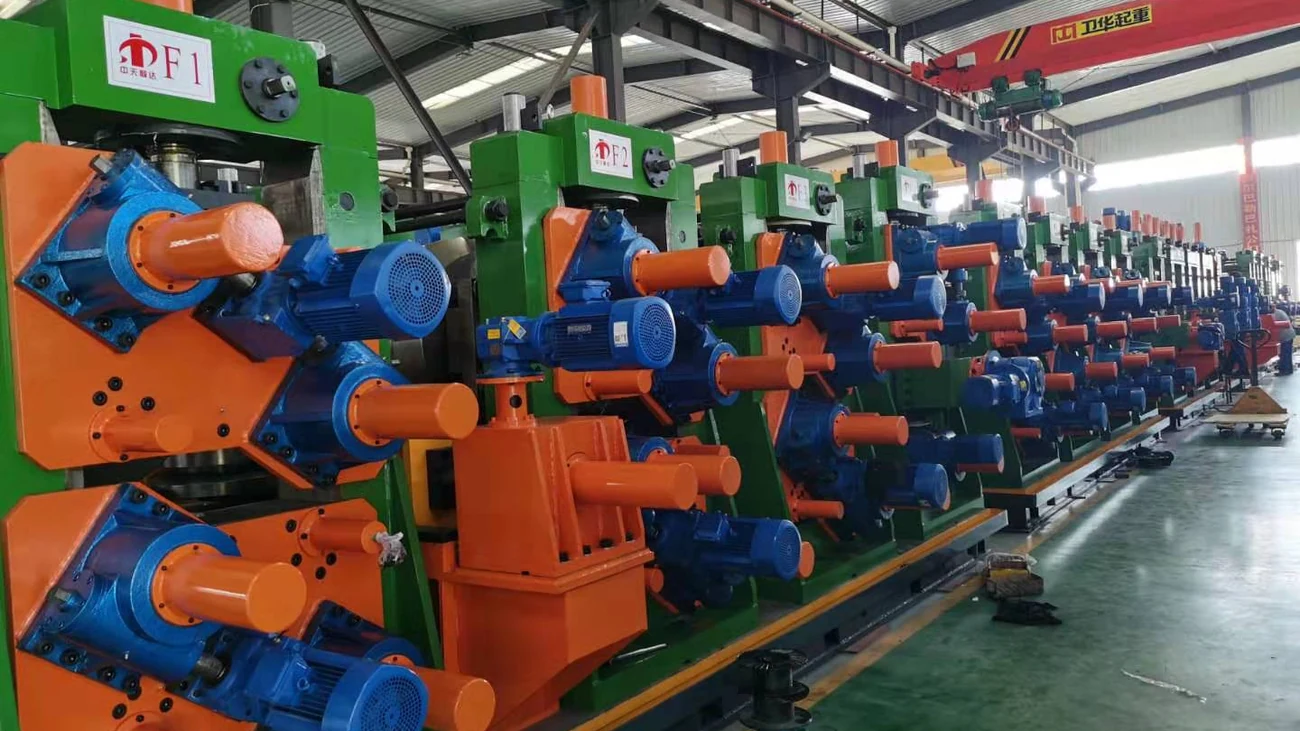
What Is Direct Forming Square Tube Mill
Direct forming brings the strip to the square section directly, using one set of combined mould tooling, instead of first rolling it into a round tube and then squaring it down in a sizing section. Different sizes come off the same tooling, and a size change needs only a servo adjustment, not a roll change.
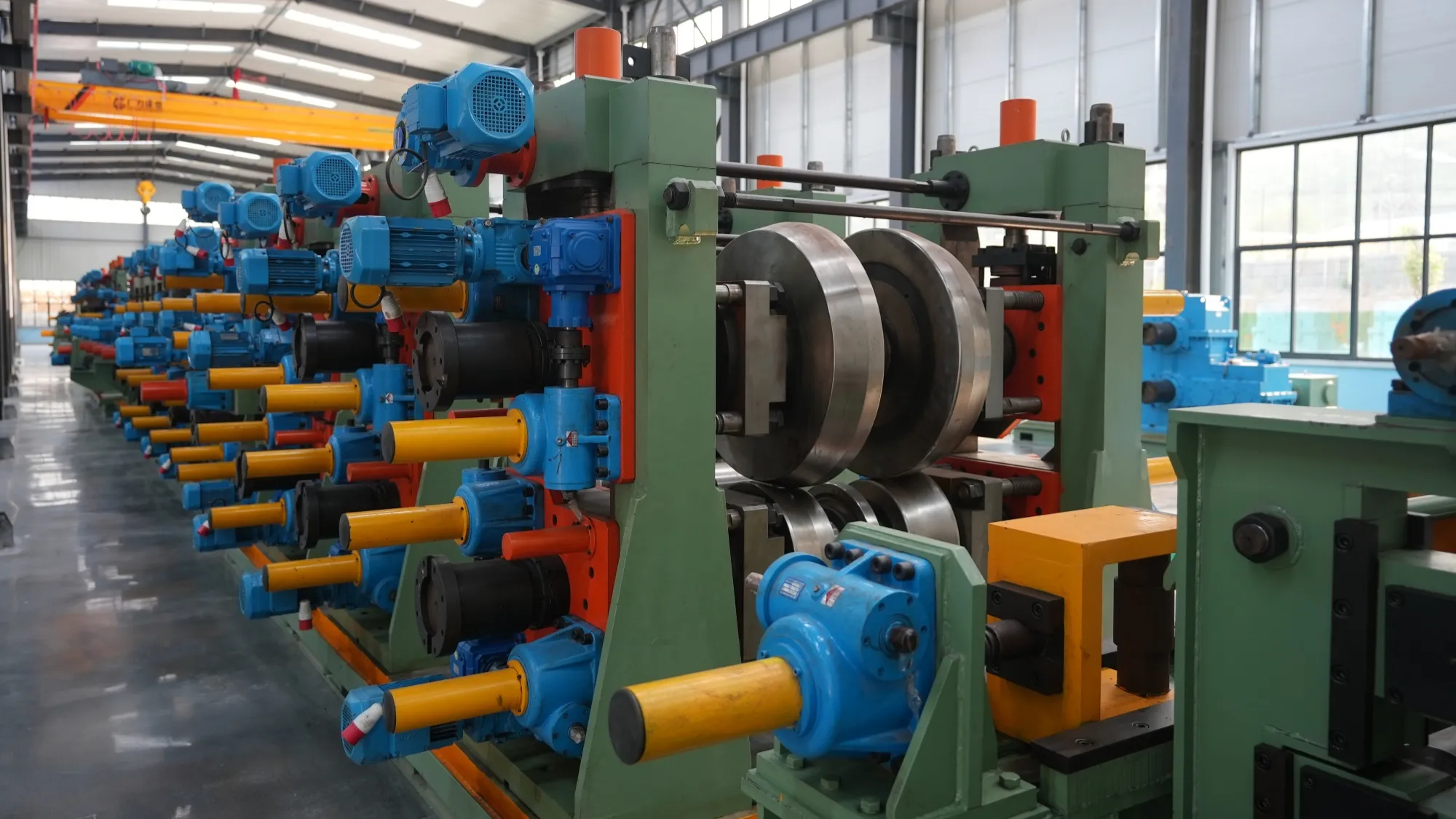 Two Routes to Square Section, Side by SideThe envelope for the direct-forming line is square tube from 30 × 30 mm to 500 × 500 mm, with wall thickness of 1.5 to 20 mm across seven bands.See the line →
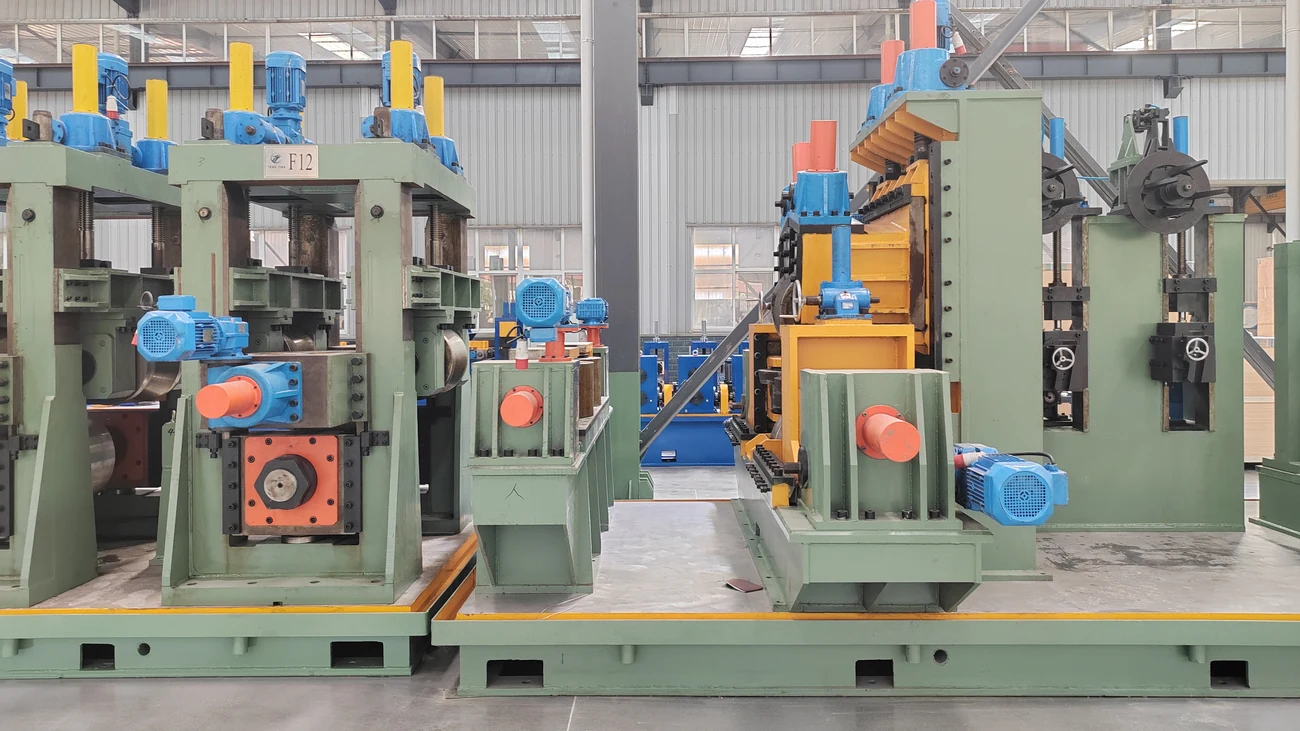 Roll Saving in Direct FormingWithin each band one combined mould set covers every size, with a roll saving of more than 90 per cent.See the line →
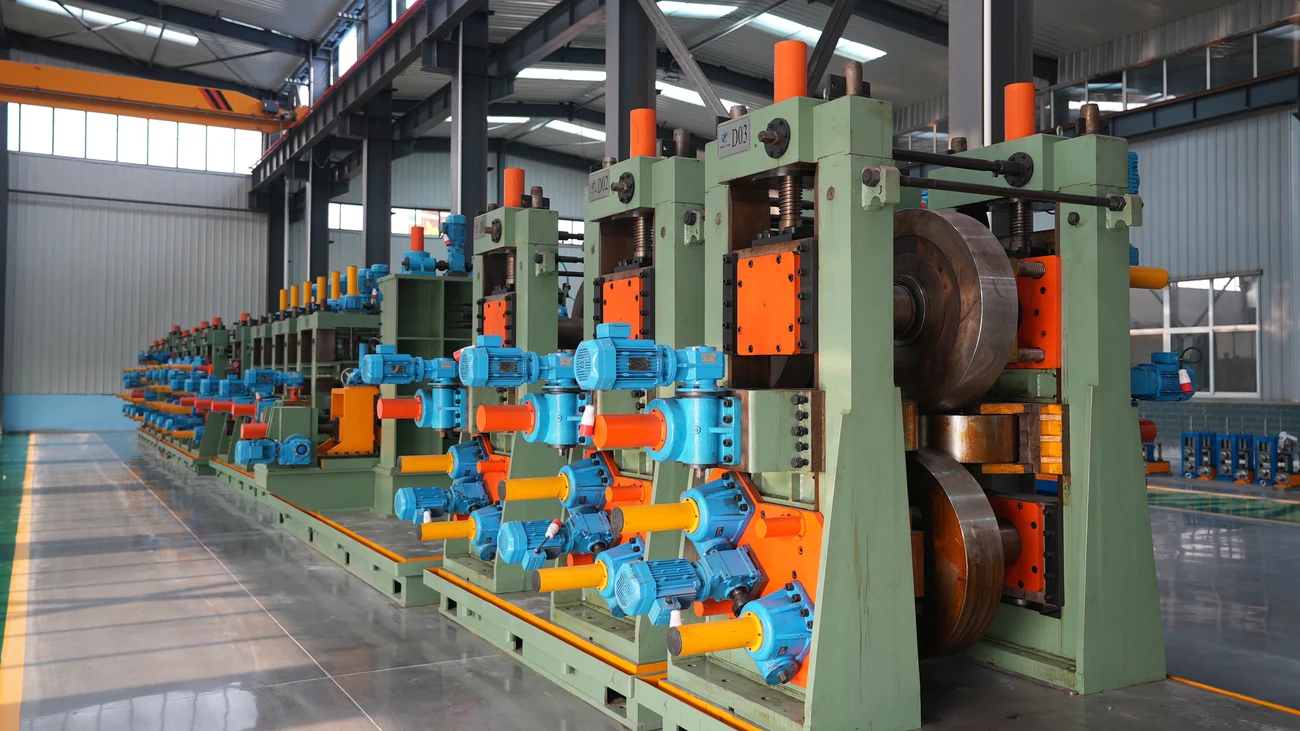 Direct Forming Size RangeA direct forming square tube mill covers 30×30 to 500×500 mm across seven bands, with one combined die set per band.See the line →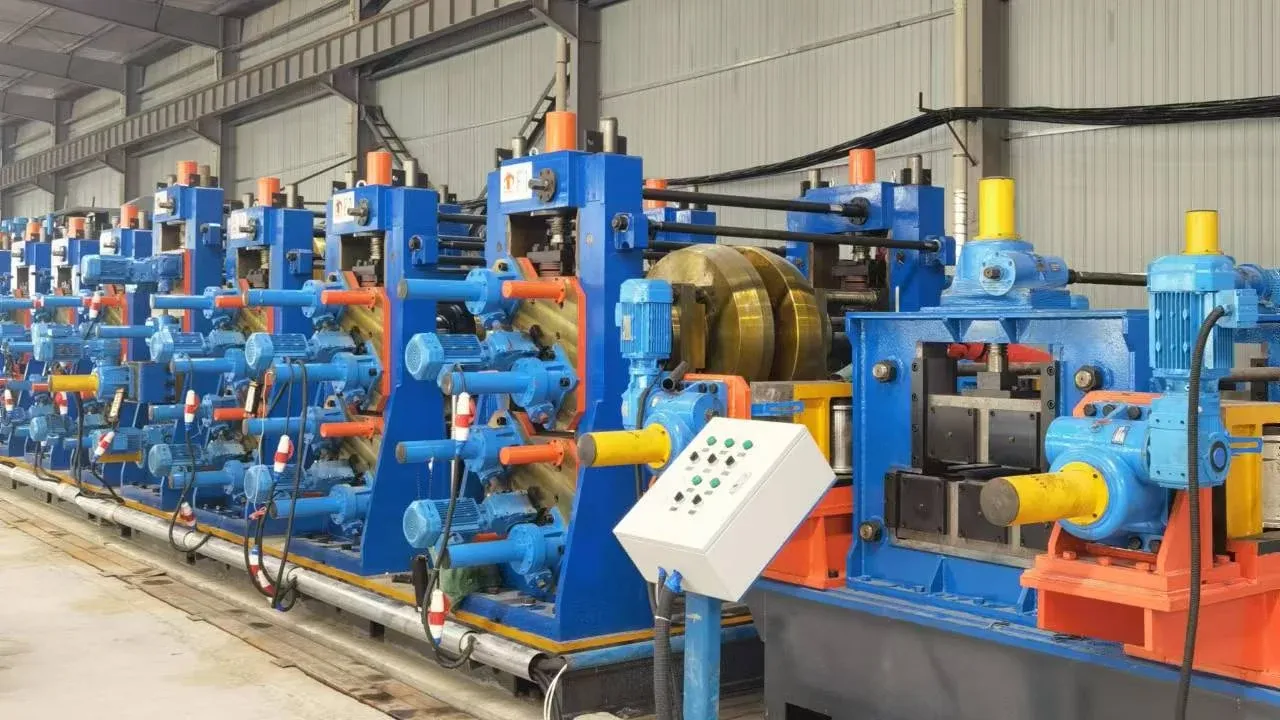
Direct Forming Square Tube Mill — Range, Configuration and Output
Section range. Finished square tube from 30 × 30 mm to 500 × 500 mm.
Wall thickness. 1.5 to 20 mm across seven bands; each band has its own range.
Tooling principle. Within each band one combined mould set covers the size range; changing size is a servo adjustment.
Key Parameters: Size Range and Wall Thickness
Seven models cover square sections from 30 × 30 mm to 500 × 500 mm, with wall thickness from 1.5 to 20 mm across seven bands. Material is Q195, Q235B, Q355B, galvanized, mild, cold-rolled or hot-rolled strip. The full table by model — section, wall, strip width, coil weight and HF welder power — is on the Direct Forming Size Range page.
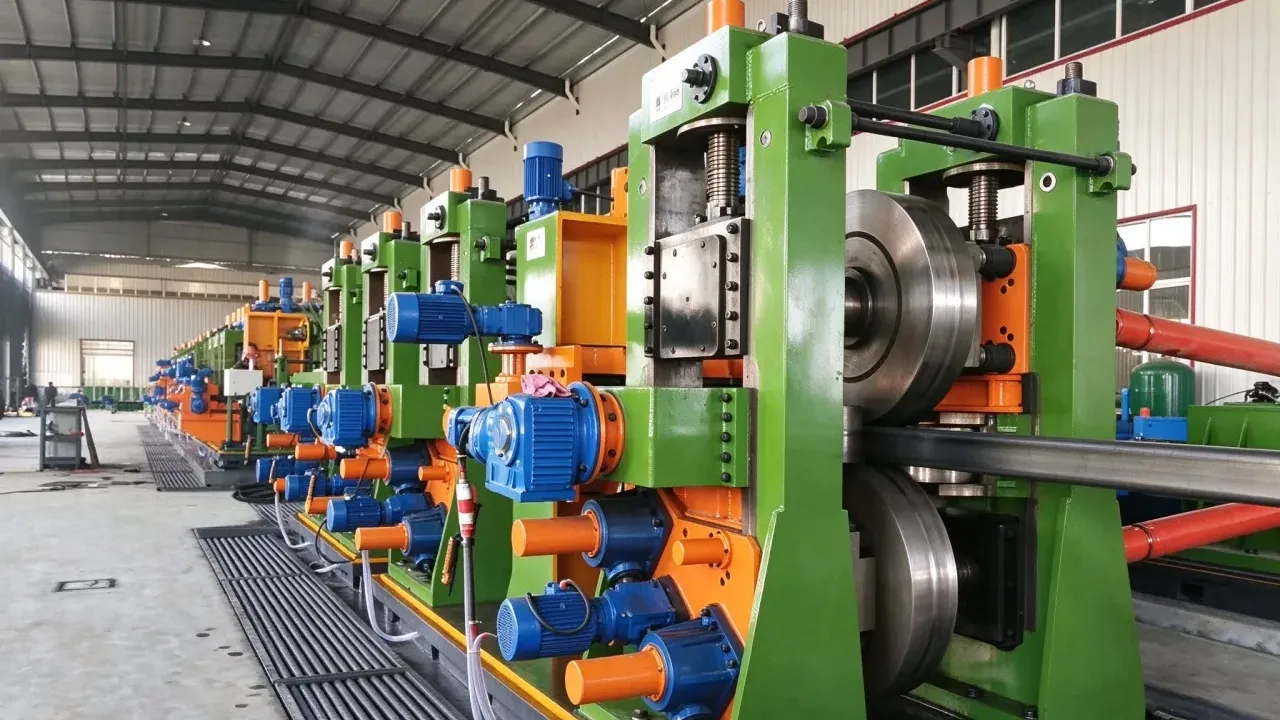
Why Point Contact Changes the Tooling Bill
Direct forming brings the strip to section through tooling that contacts it at points rather than along a continuous line of roll surface, and less contact means less roll wear. Add the fact that one mould set serves every size in its band instead of one set per size, and the roll saving comes to more than 90%.
On a conventional line, setting a new size means changing rolls, adjusting roll gap and re-centring. On a direct-forming line the same step is a servo adjustment with no roll change, which shortens changeover and reduces the damage that roll changes do to the equipment.
Lower roll wear and quicker changeover are what keep the long-term running cost of a square tube line down.
Direct Forming Versus Round-to-Square
Round-to-square forms the strip into a round tube, welds it, and then squares it down through a sizing section. Direct forming brings the strip to the square section without the intermediate round stage.
The direct-forming route needs fewer forming passes and fewer roll changes, and the difference comes from the combined mould and servo adjustment rather than from any single machine.
The comparison is about changeover and tooling, not about which route gives better weld quality, better dimensional tolerance, or higher output.
A side-by-side breakdown is on direct forming vs round-to-square.
Control, Incoming Material and the Limits of the Machine
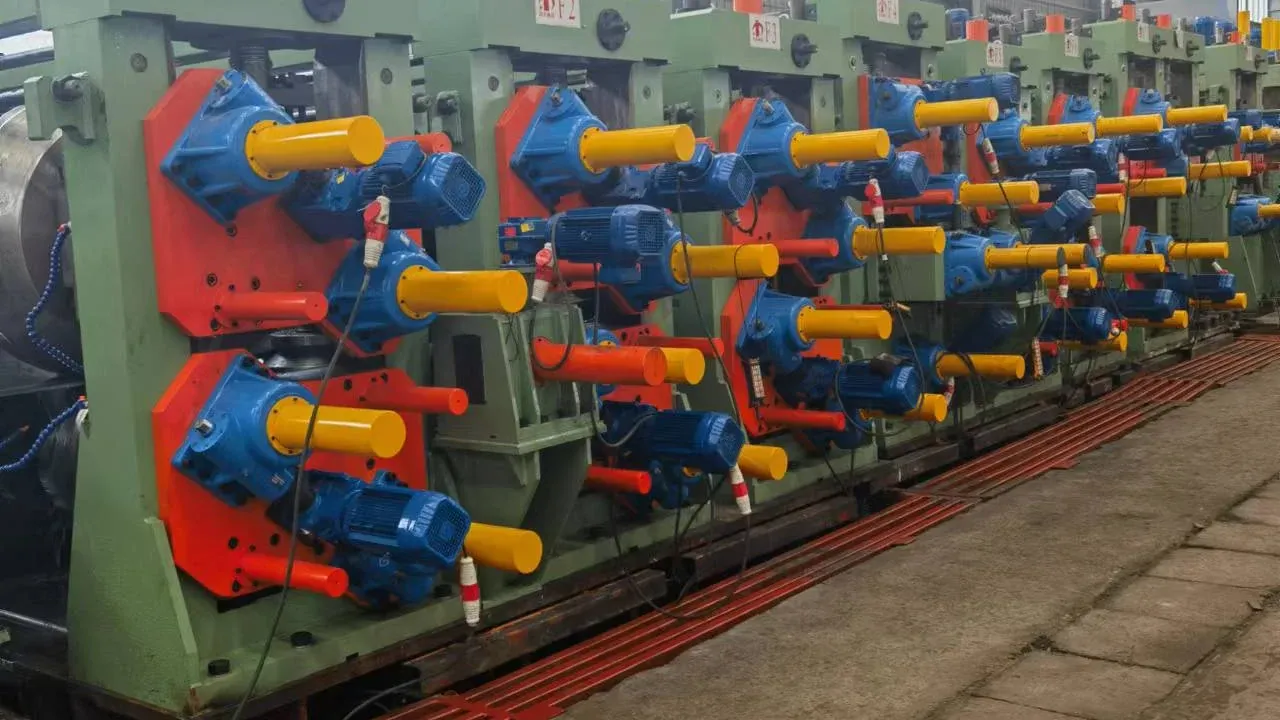
The size change on a direct-forming line is itself a servo operation, so the control layer carries more of the work than on a conventional mill: PLC control with variable-frequency drive runs the line, and servo motors set the forming stands for each size.
Strip quality stays on the buyer’s side. The line levels the strip on entry, through the pinch-and-leveller and a passive leveller ahead of forming, but strip grade and flatness are set at the coil, and defects that start in the strip cannot be corrected by forming accuracy.
Supply Chain Behind the Tooling
This line’s whole case rests on its tooling, so it matters who makes it. Rolls and key parts are machined in-house on our own CNC equipment, and replacement rolls and spare parts are shipped directly from our works.
How to Choose the Right Model
Start with the largest section and the thickest wall you plan to make. Each band covers its own size and wall range (listed by model on the Direct Forming Size Range page), so the model is the smallest band that reaches your largest square size at your heaviest wall.
Then check how often you change size. The combined mould pays back when a plant switches sizes regularly; if a plant runs one size all year, that advantage largely disappears and a conventional tube mill & welded pipe production line may suit better.
Send us the section range, wall thickness and steel grade you need, and we will confirm the band and the line configuration.
Scope of Supply, Installation and Commissioning
Standard lines ship within 90 working days of the deposit, with plant-level customisation scheduled from our own manufacturing base.
The line is dismantled into units and shipped in containers: heavy frames are braced and secured, while precision parts and wear items travel in wooden cases together with a spare-parts pack.
Installation and commissioning are guided on site by our engineers, with online support behind them; the buyer provides the installation crew and covers the engineers’ travel, lodging and daily allowance.
Payment is 30% by T/T on signing, 65% by T/T before shipment and 5% after installation and commissioning, or by L/C at sight; prices are quoted ex-works (EXW).
Direct forming square tube mill manufacturer
As a direct forming square tube mill manufacturer, we run in-house CNC machining and our own manufacturing base which buyers can visit, twenty research and development engineers averaging twenty years of experience, our after-sales team, and engineers dispatched on site.
Rectangular tube mill for construction
Construction is the dominant application among our deliveries. The square and rectangular sections among them include 250 × 250 mm, 200 × 200 mm, 200 × 200 × 12 mm and 150 × 150 × 6 mm, delivered to Afghanistan, Türkiye, South Korea and Kenya respectively.
Line Photos from the Works
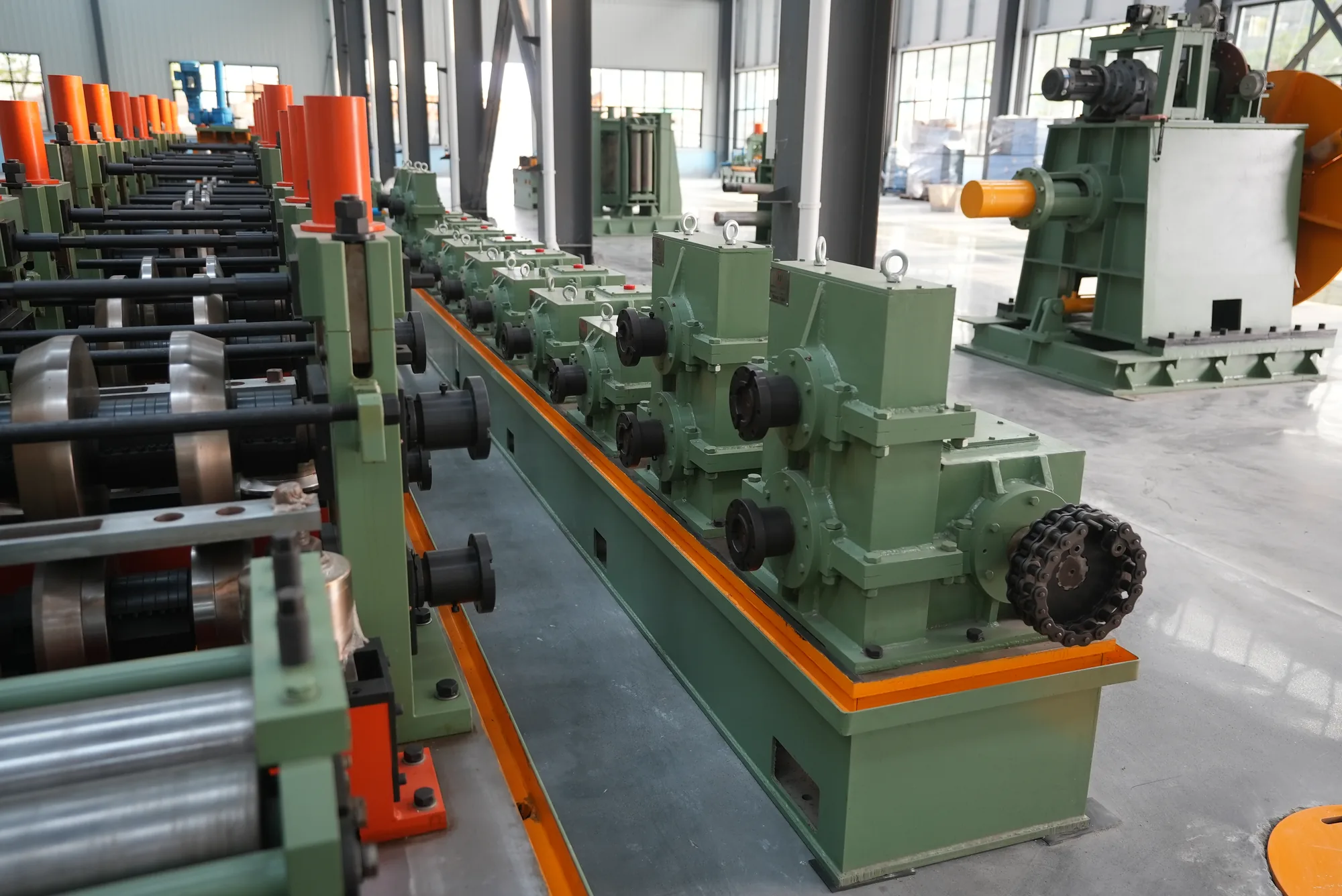
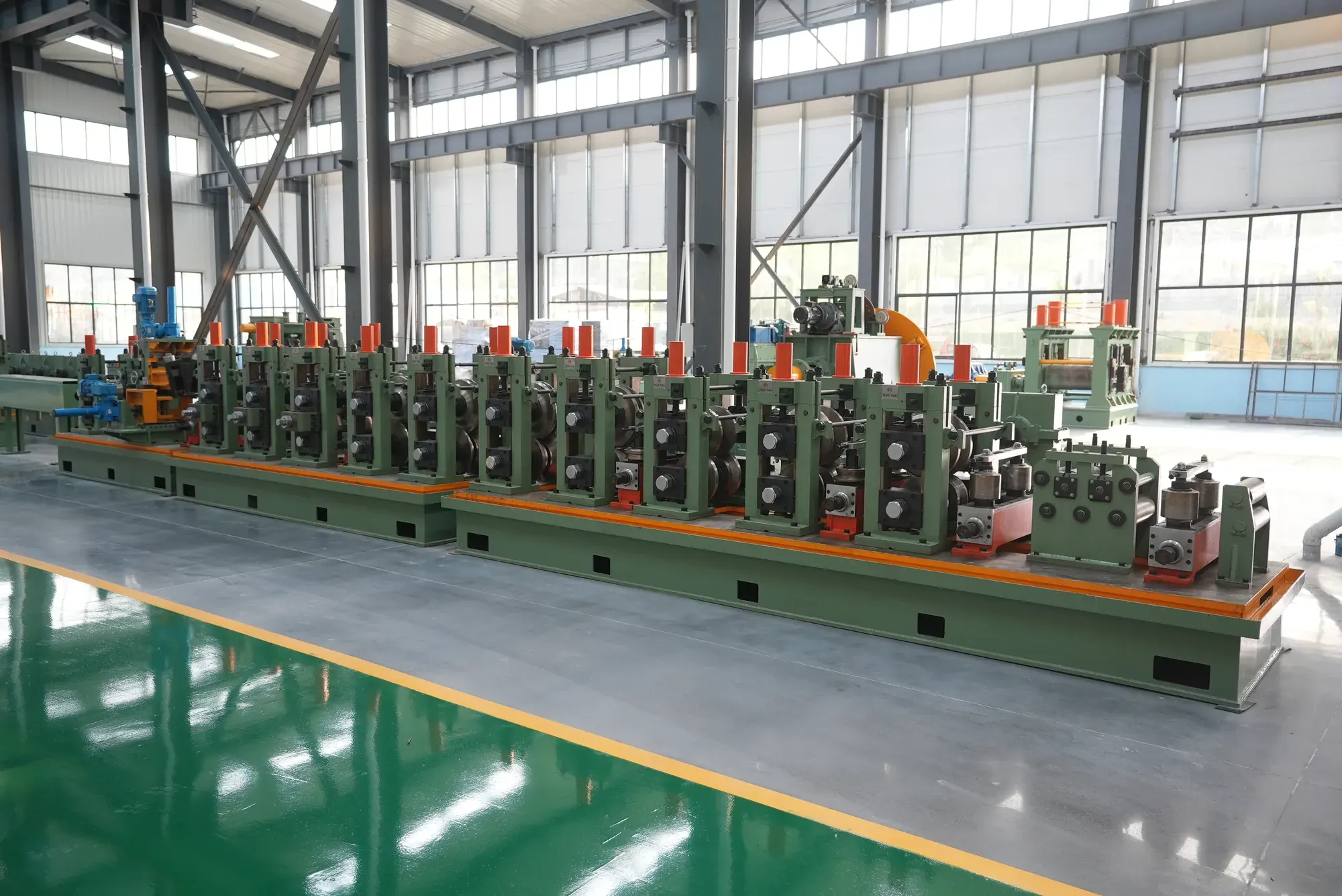
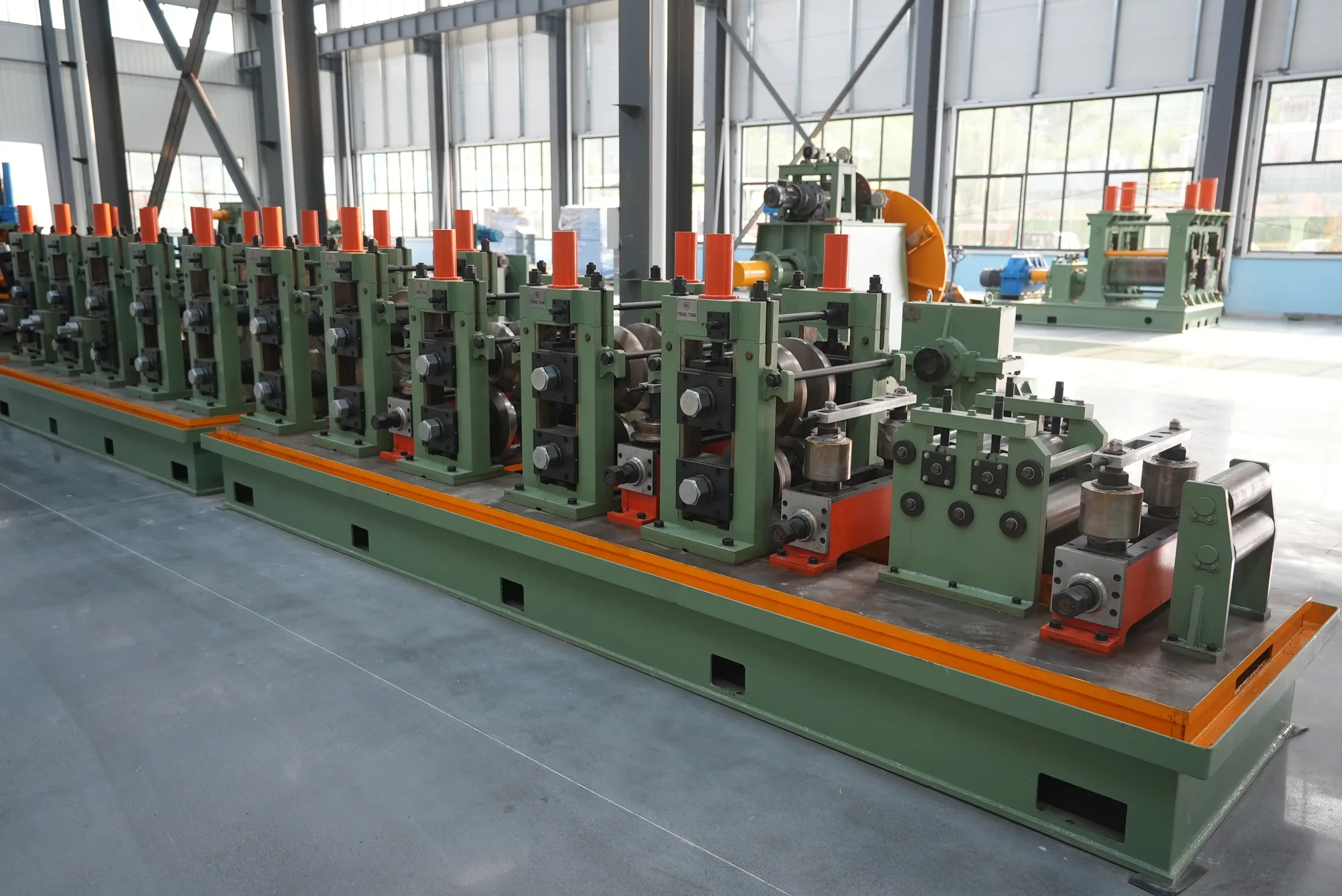
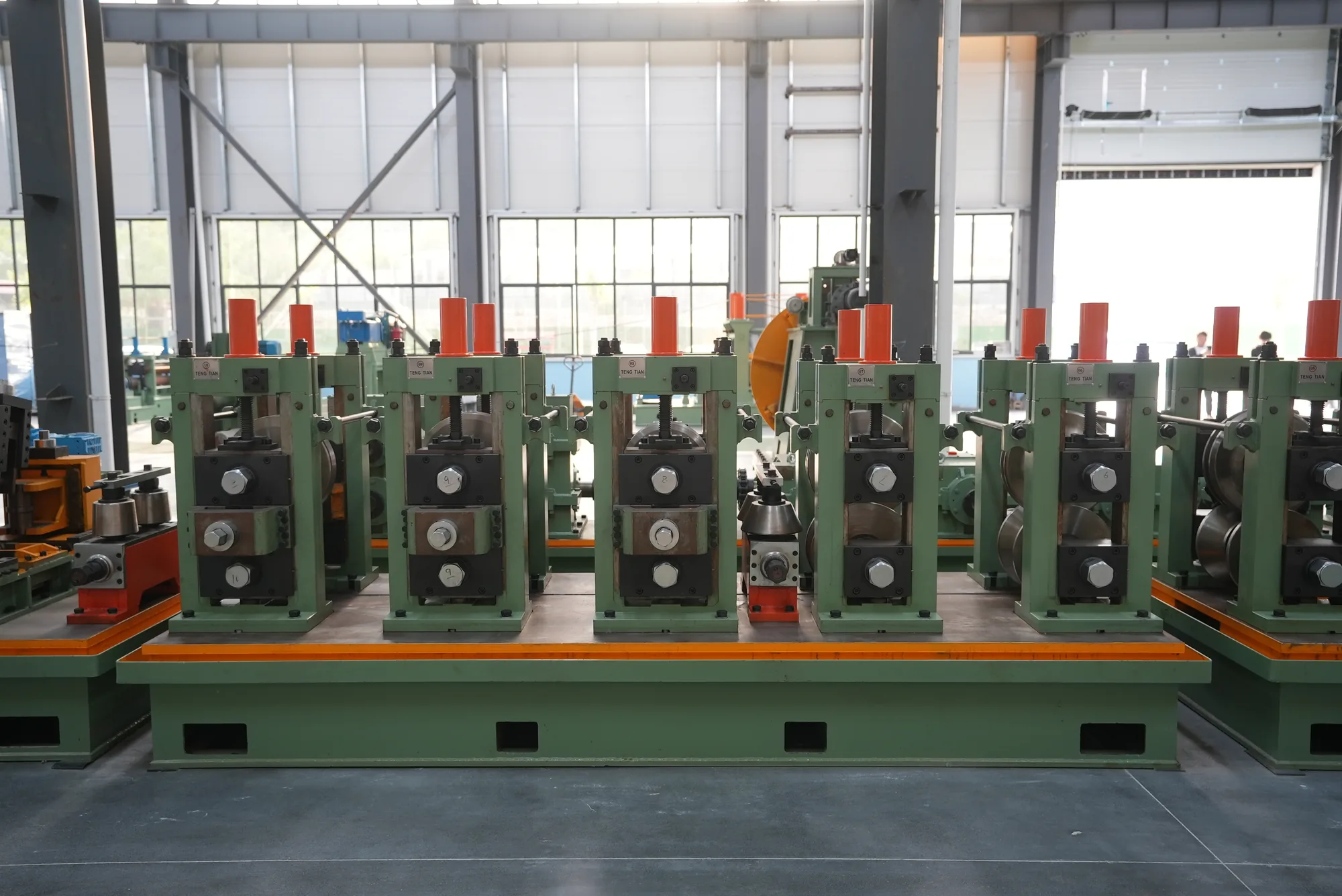
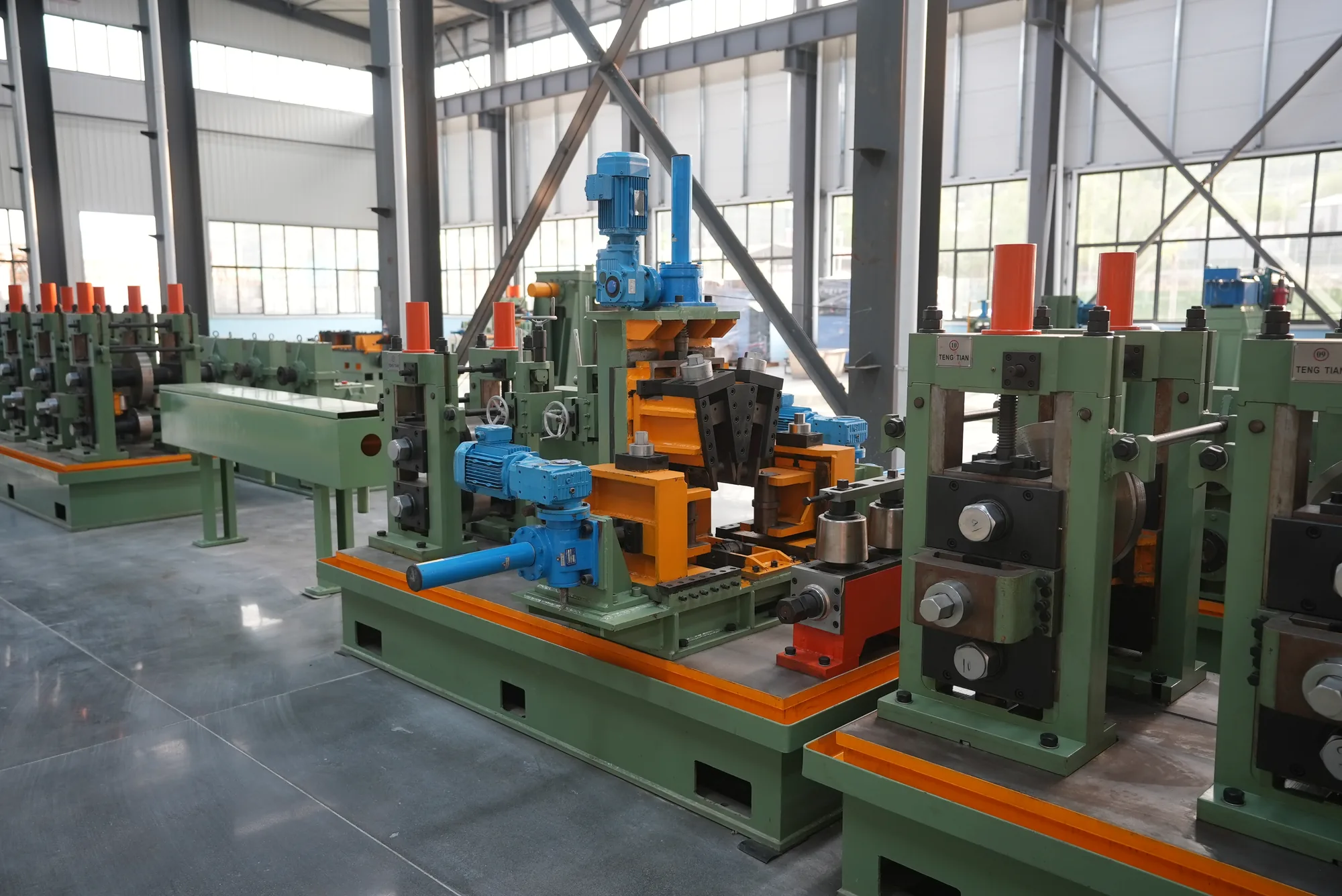
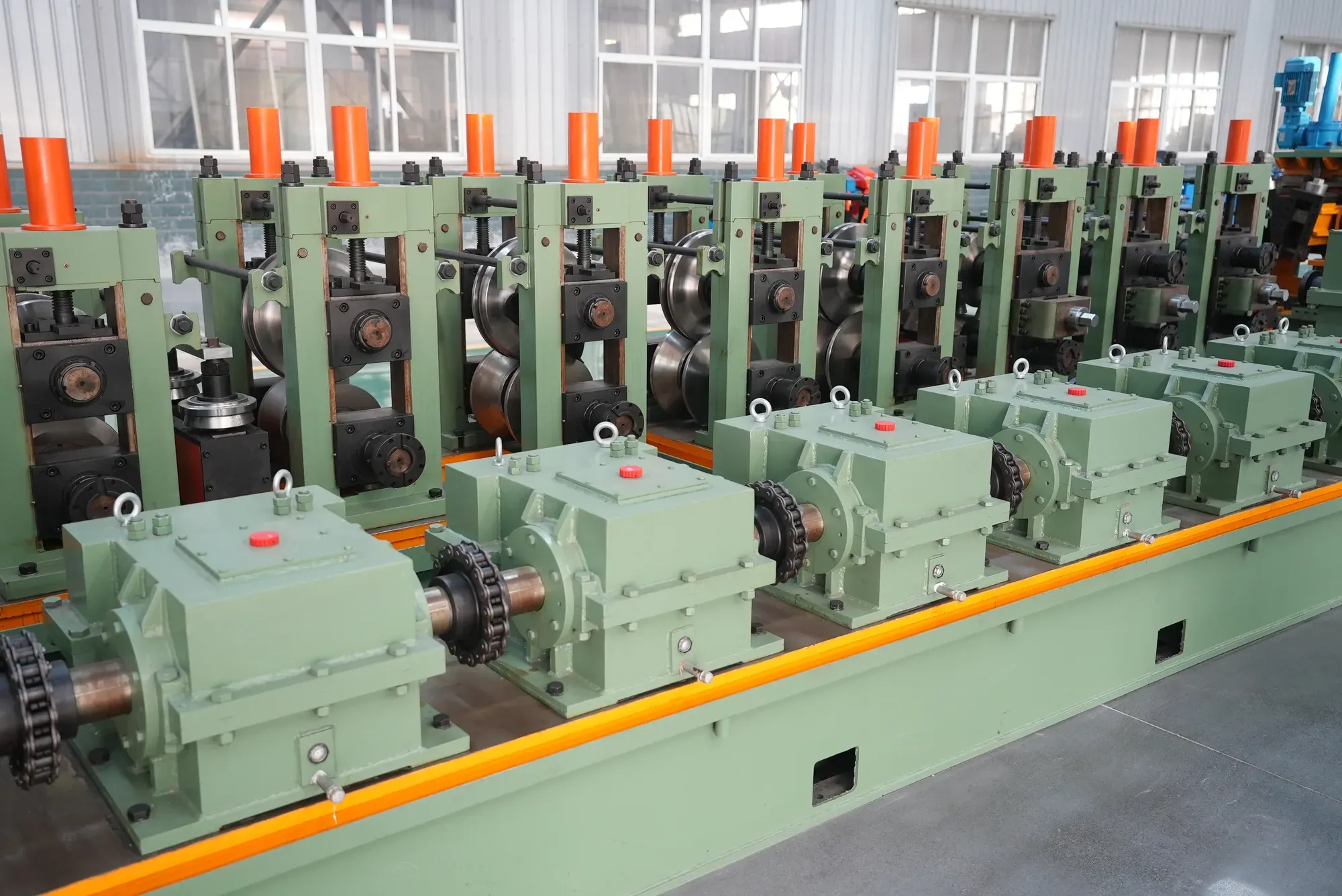
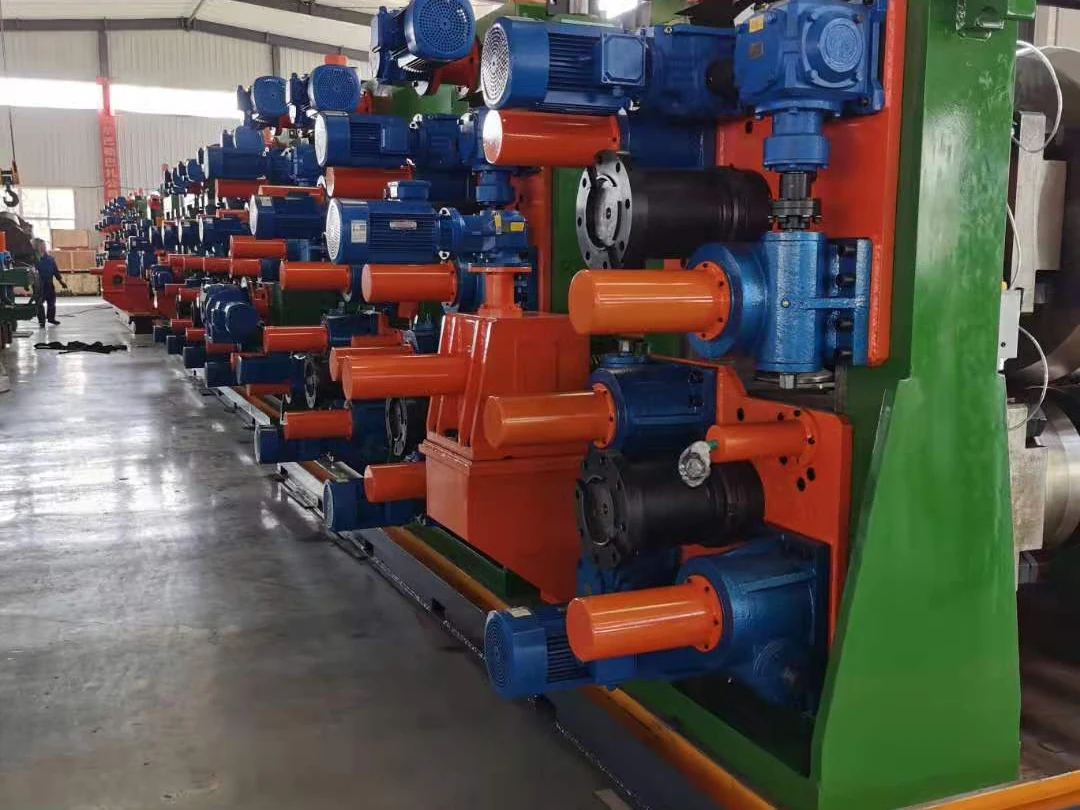
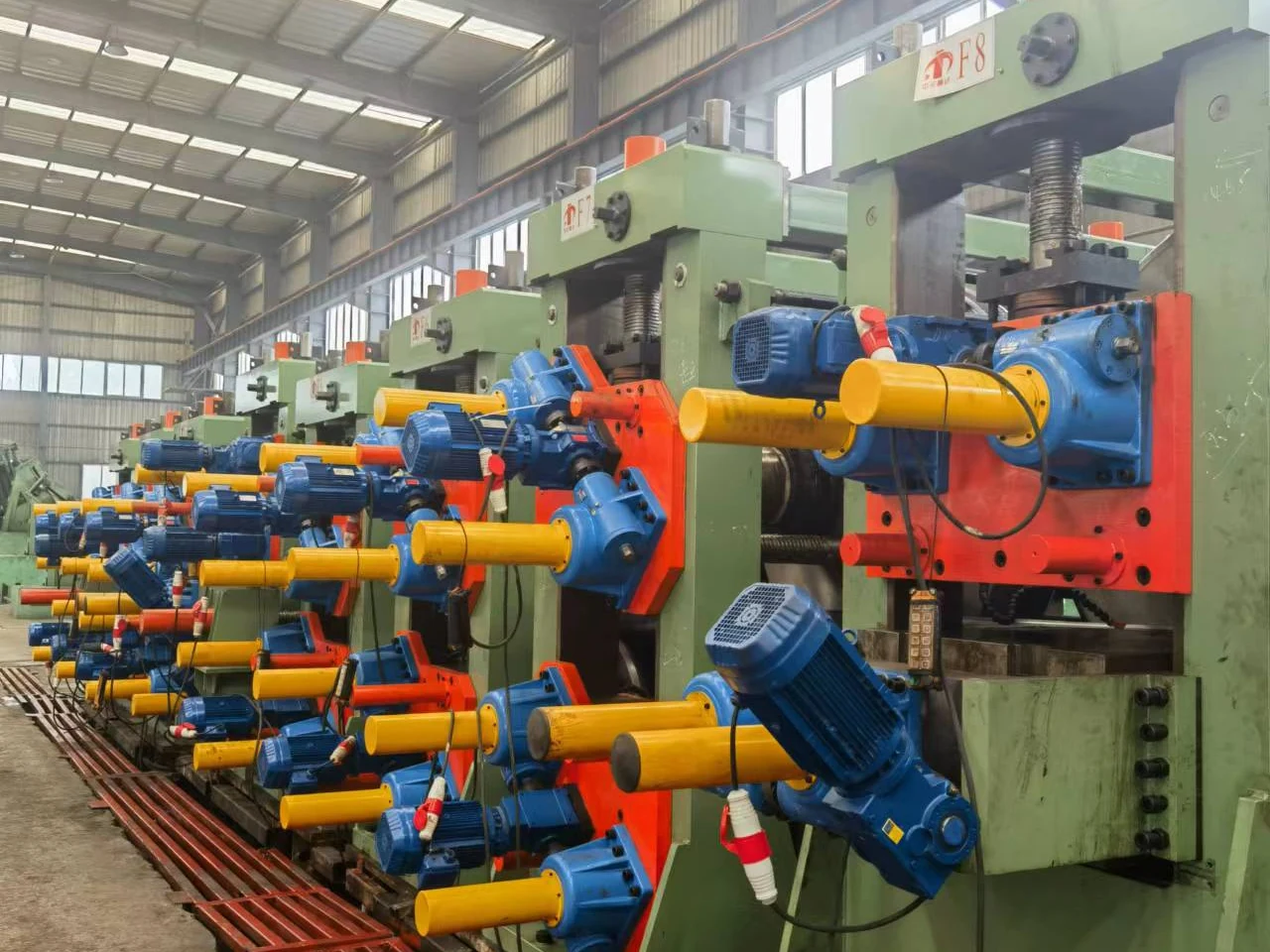
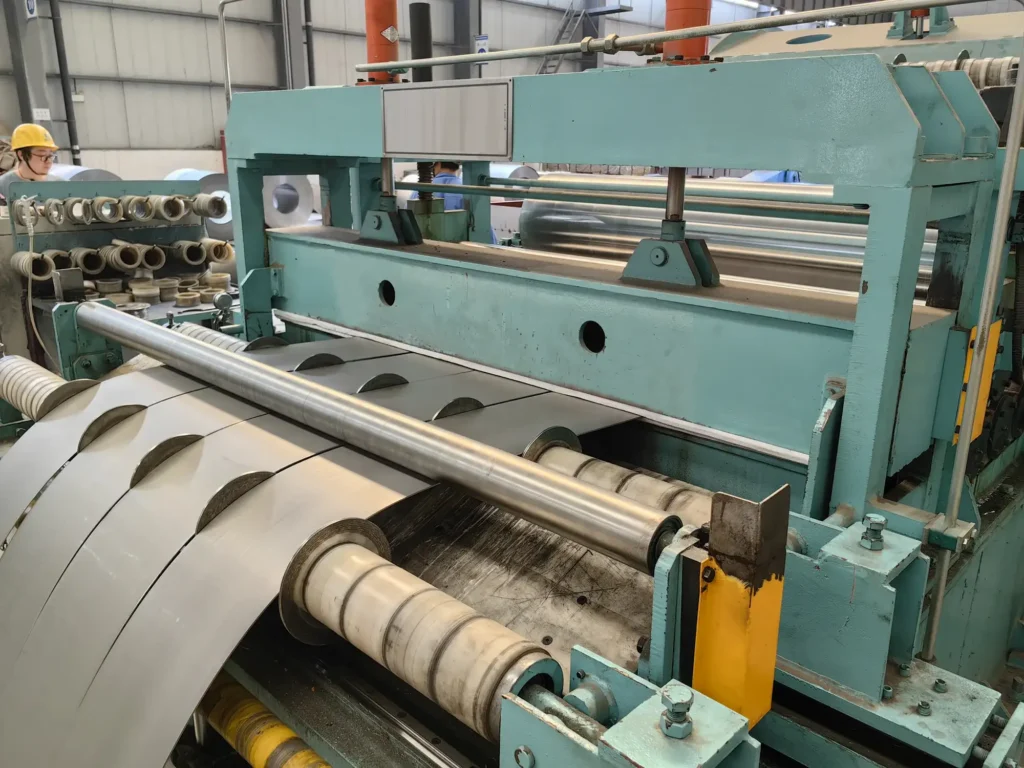
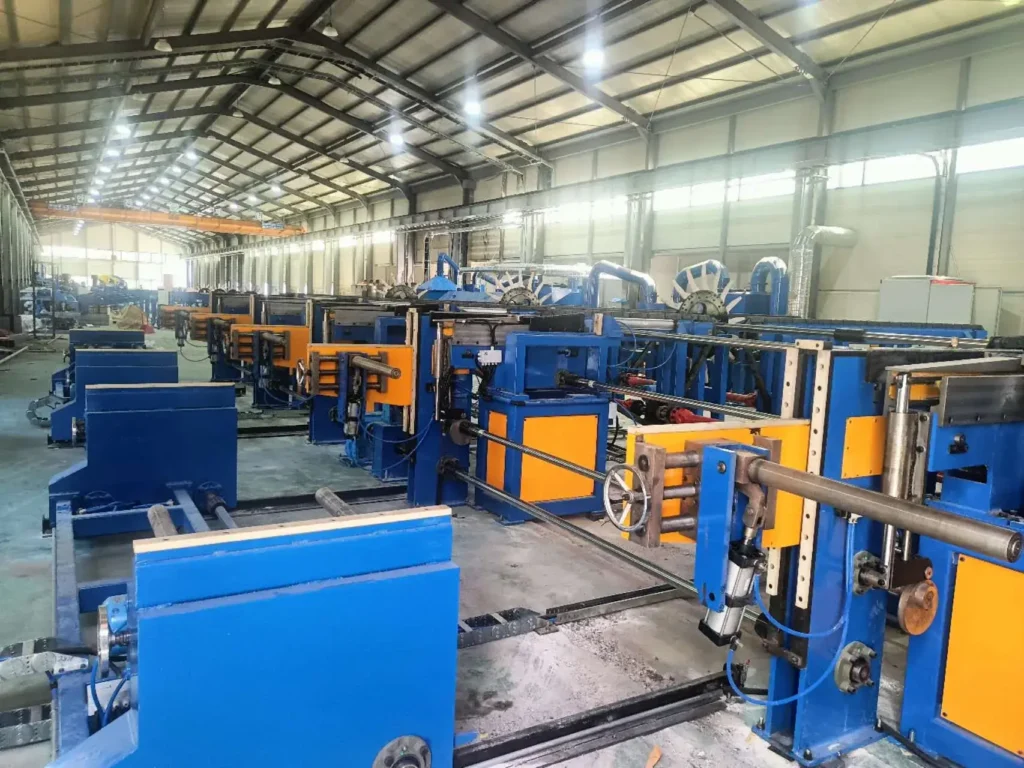
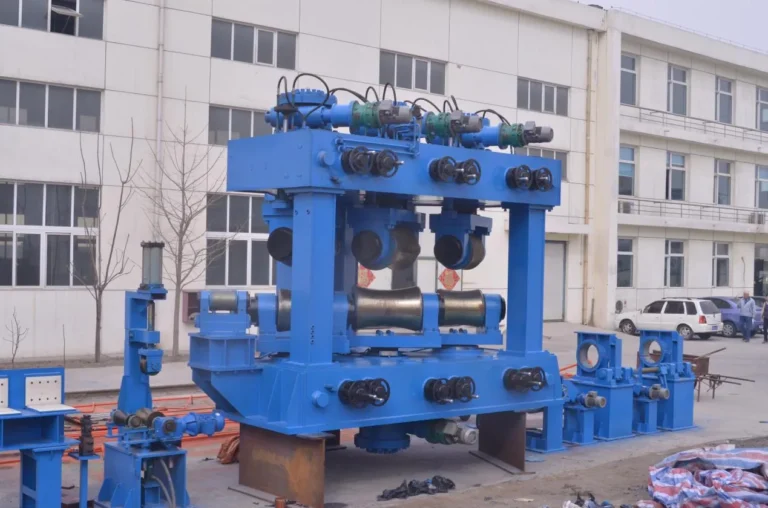
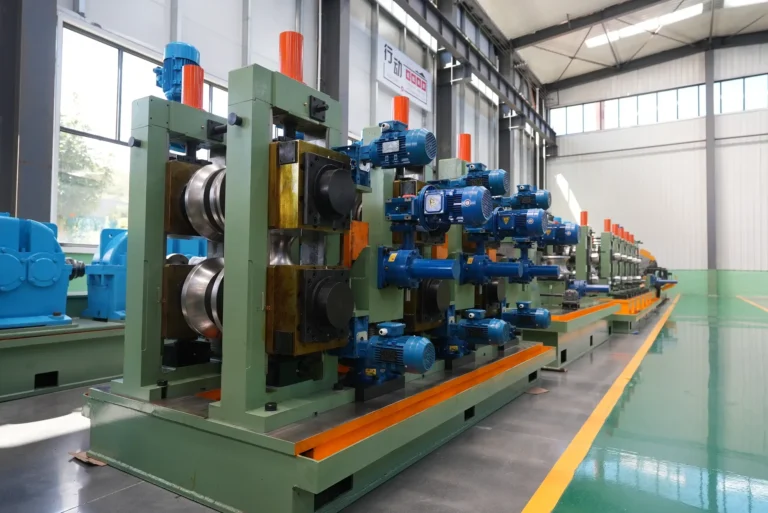
Eight photographs of this line, taken in our own workshop. Click any photo for the full-size image.
Other Lines We Build
 Cut-to-Length Line
 Auto Spray Paint Line
 API Line Pipe Mill
 Tube Mill Rolls and Spares
Send Your Enquiry
Tell us the pipe outside-diameter range, the wall thickness and the output you need. An engineer reads every enquiry — it does not land in a general sales inbox.