
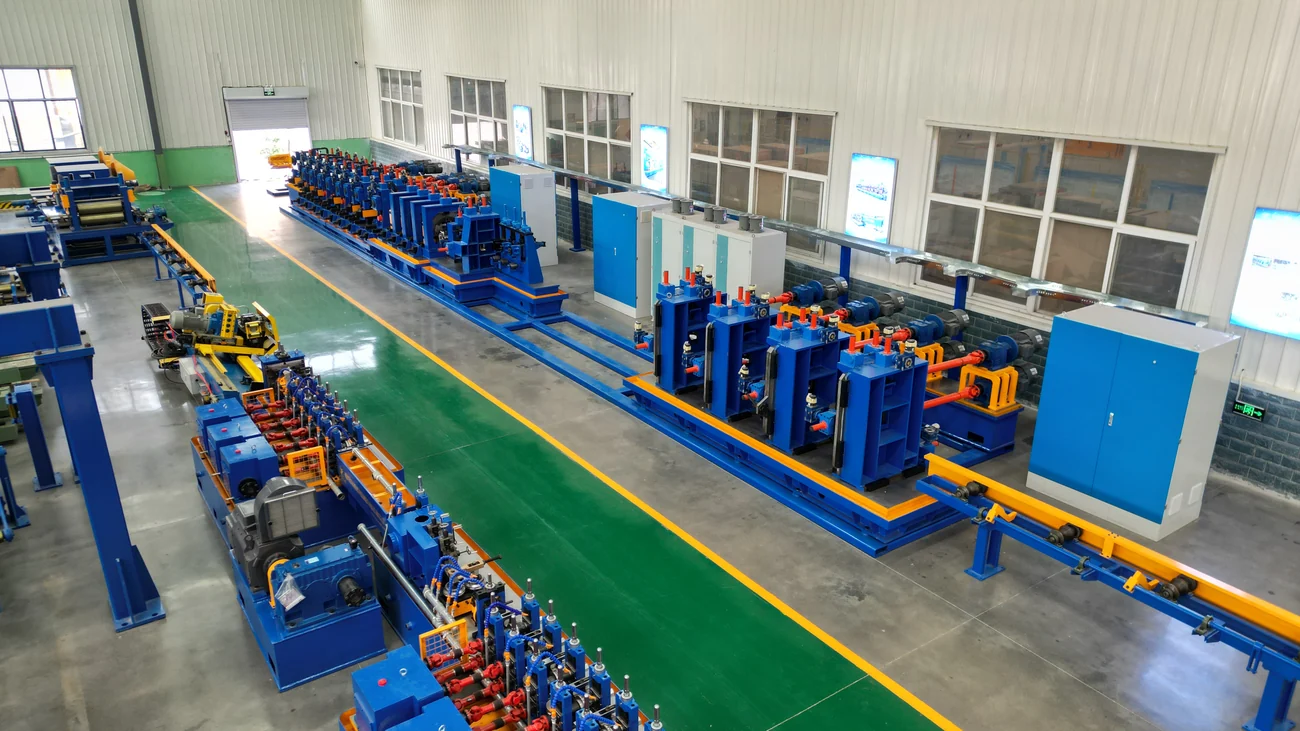
Before a line is specified, four things usually need settling: which standards the mill has to satisfy, how the process runs from coil to finished pipe, how the line types compare, and what drives output, yield and wear once the line is running.
Standards and Specifications
What each standard requires of the mill and its inspection chain, explained against the line that has to meet it.
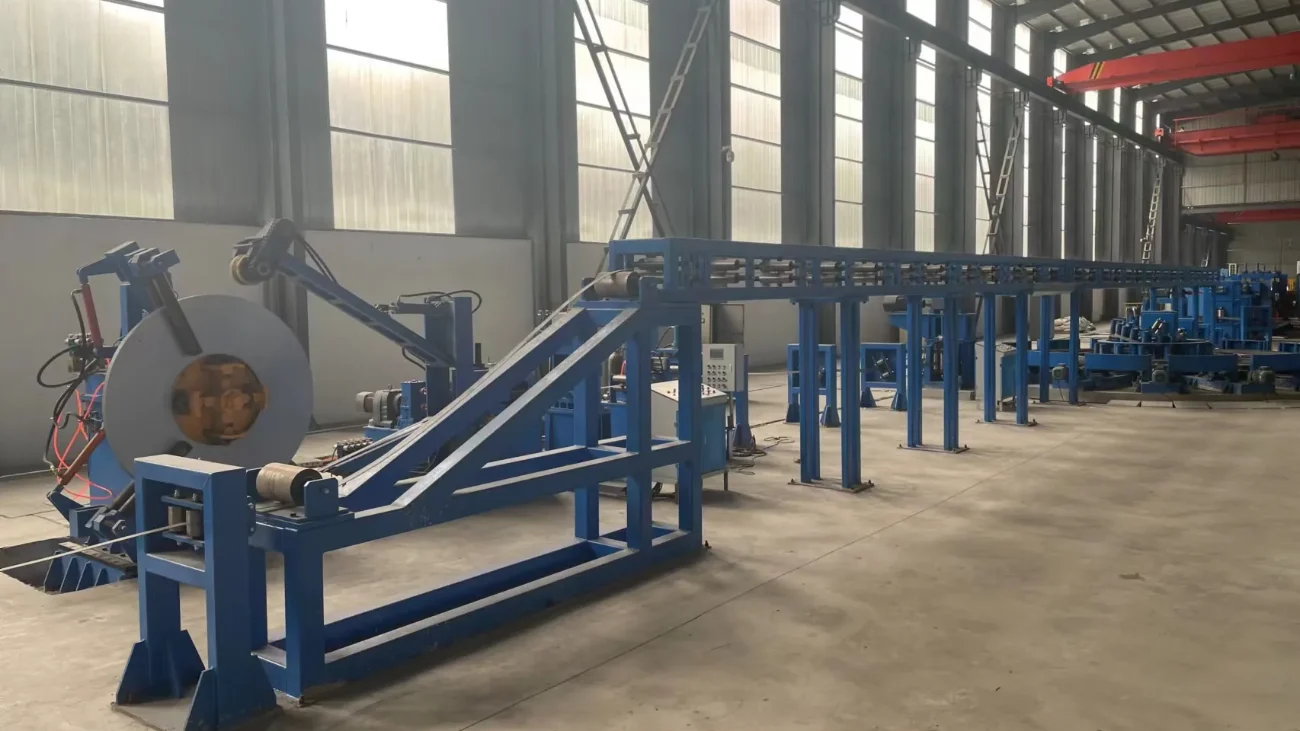 H Beam Welding Line GOSTReading the Russian welded H-beam standard: the beam sizes and steel grades it covers, and how the H-beam line is configured to satisfy it.Read the guide →
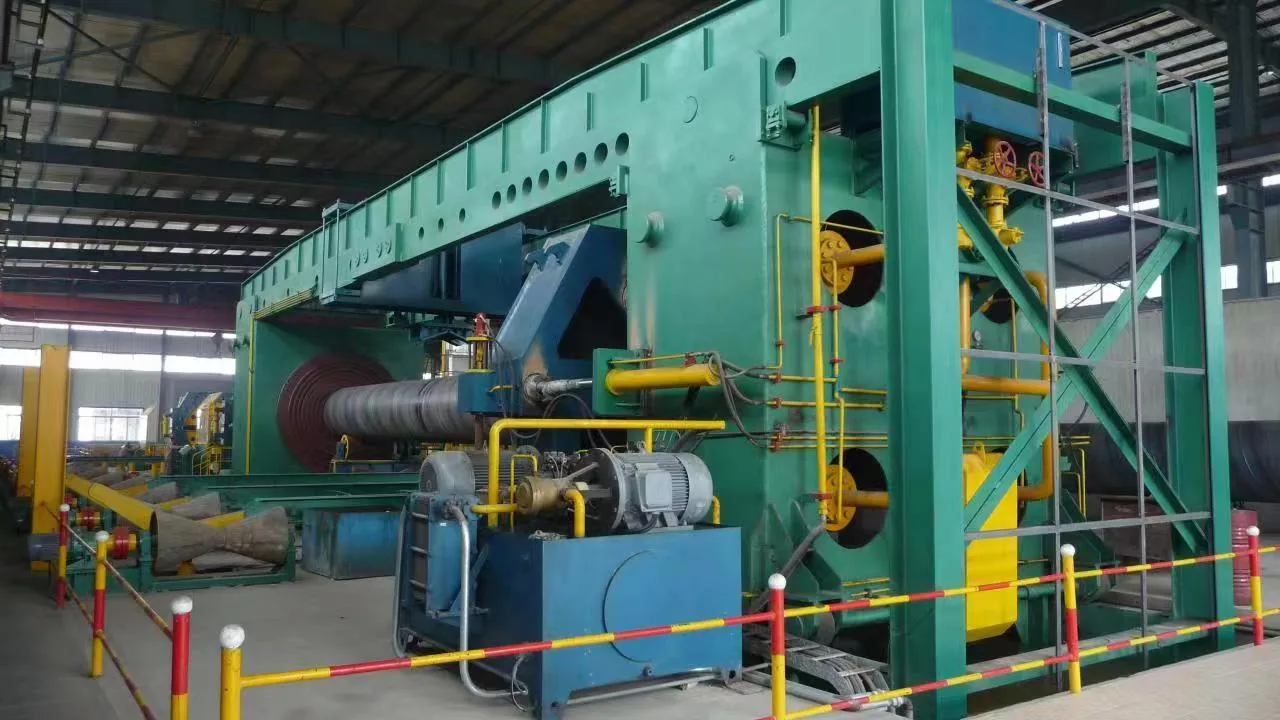 GB/T 9711 for Spiral Welded Line PipeWhat the standard asks of a spiral welded line: grades and dimensions, and the X-ray, hydrostatic and ultrasonic tests that close the inspection chain.Read the guide →
How the Process Works
From coil entry to finished pipe — forming, high-frequency welding, sizing and cut-off, explained in the order the steel passes through them.
Choosing Between Line Types
The comparisons that decide the quotation: which route suits your diameter range, your tonnage and your order pattern.
Output, Yield, Cost and Wear
The running numbers: how much finished pipe a shift actually produces, how much of it is scrapped, and which parts get replaced and how often.
Terminology
Short definitions of the process terms used across these guides, from forming angle and roll forming to slitting camber.
Ask an Engineer — Talk to Our After-Sales Team →
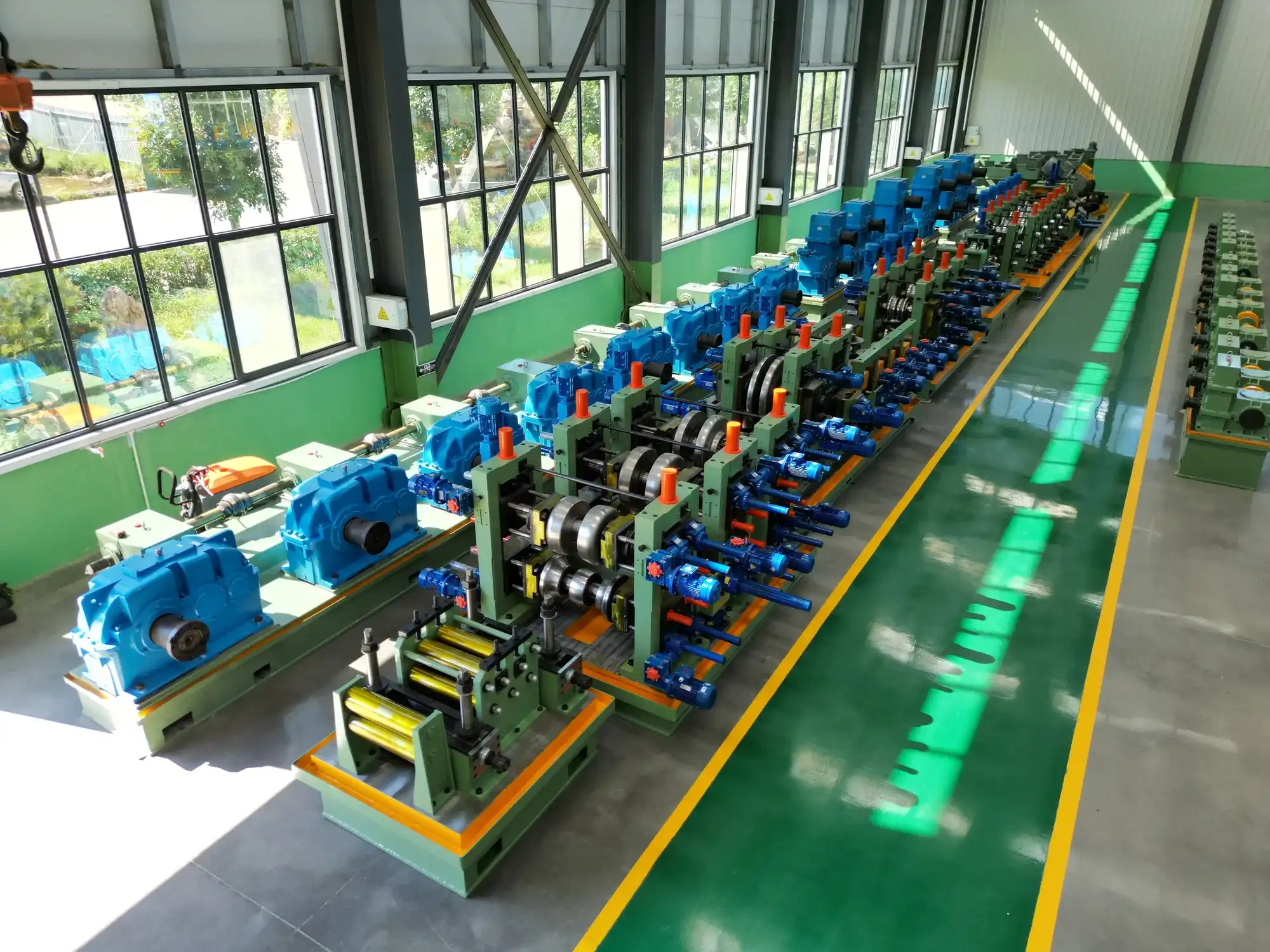
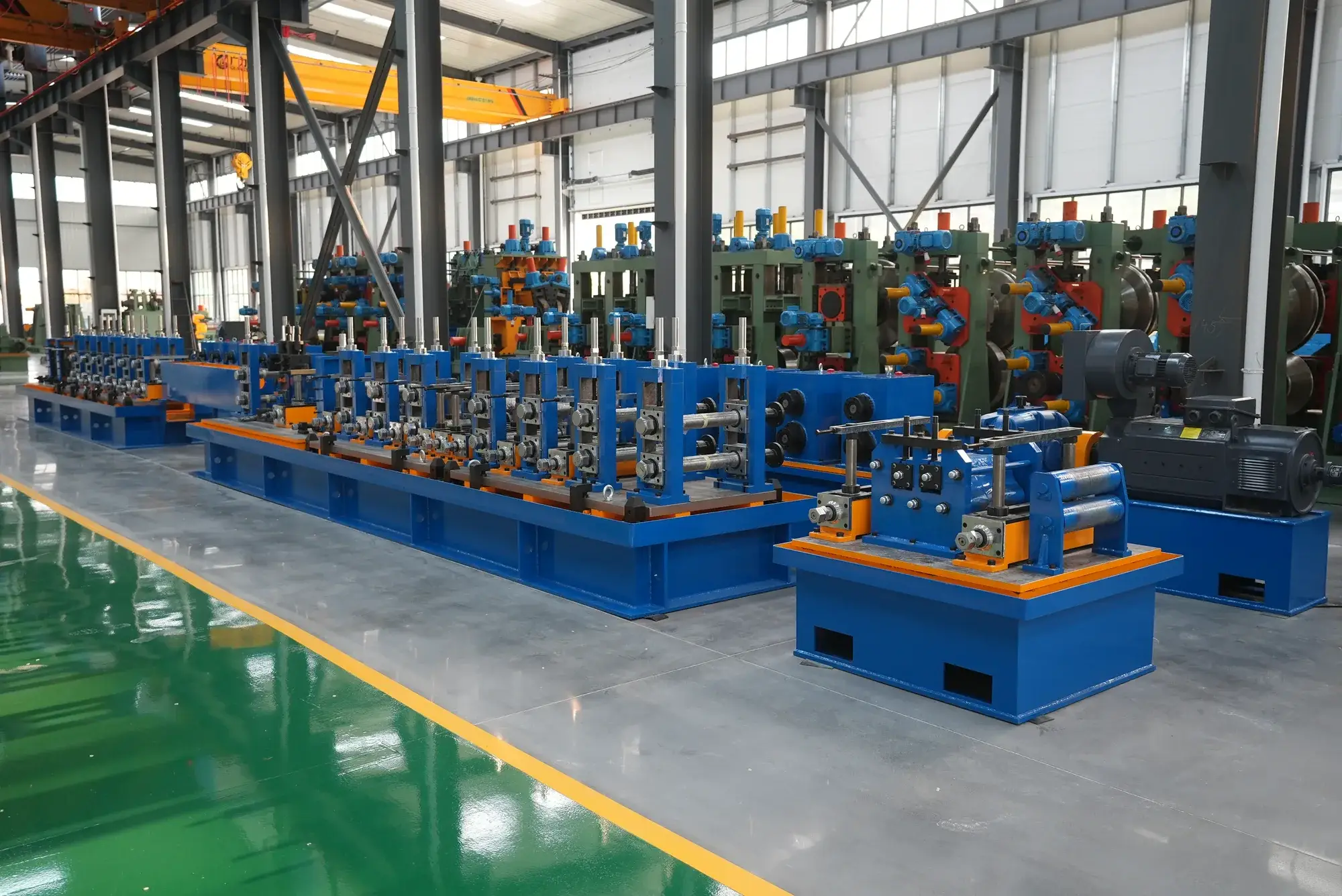
From the Workshop
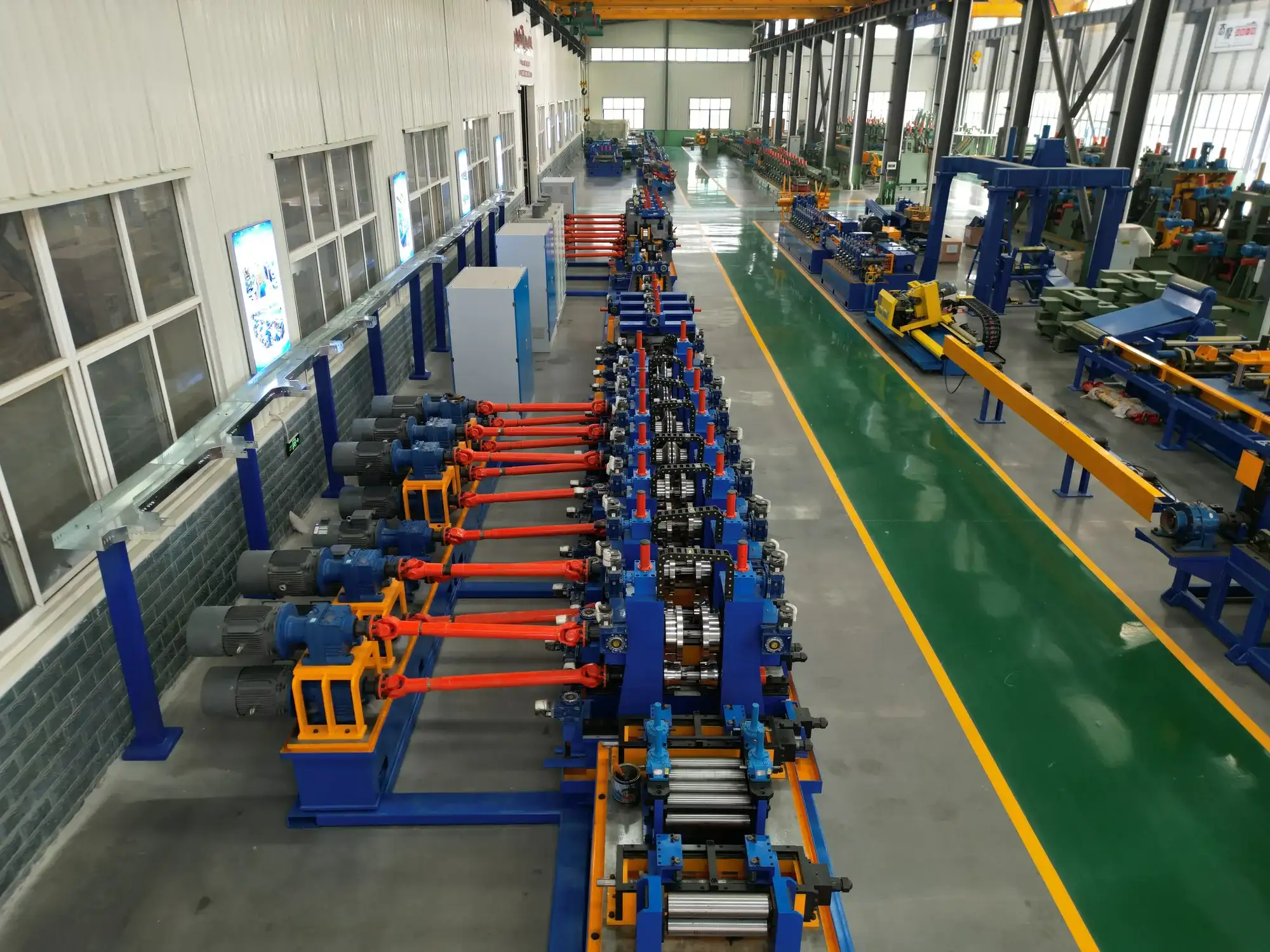
Send Your Enquiry
Tell us the pipe outside-diameter range, the wall thickness and the output you need. An engineer reads every enquiry — it does not land in a general sales inbox.