
Home › Tube Mill Manufacturer › Tube Mill Supply Scope, Commissioning & Acceptance Criteria
In This Line
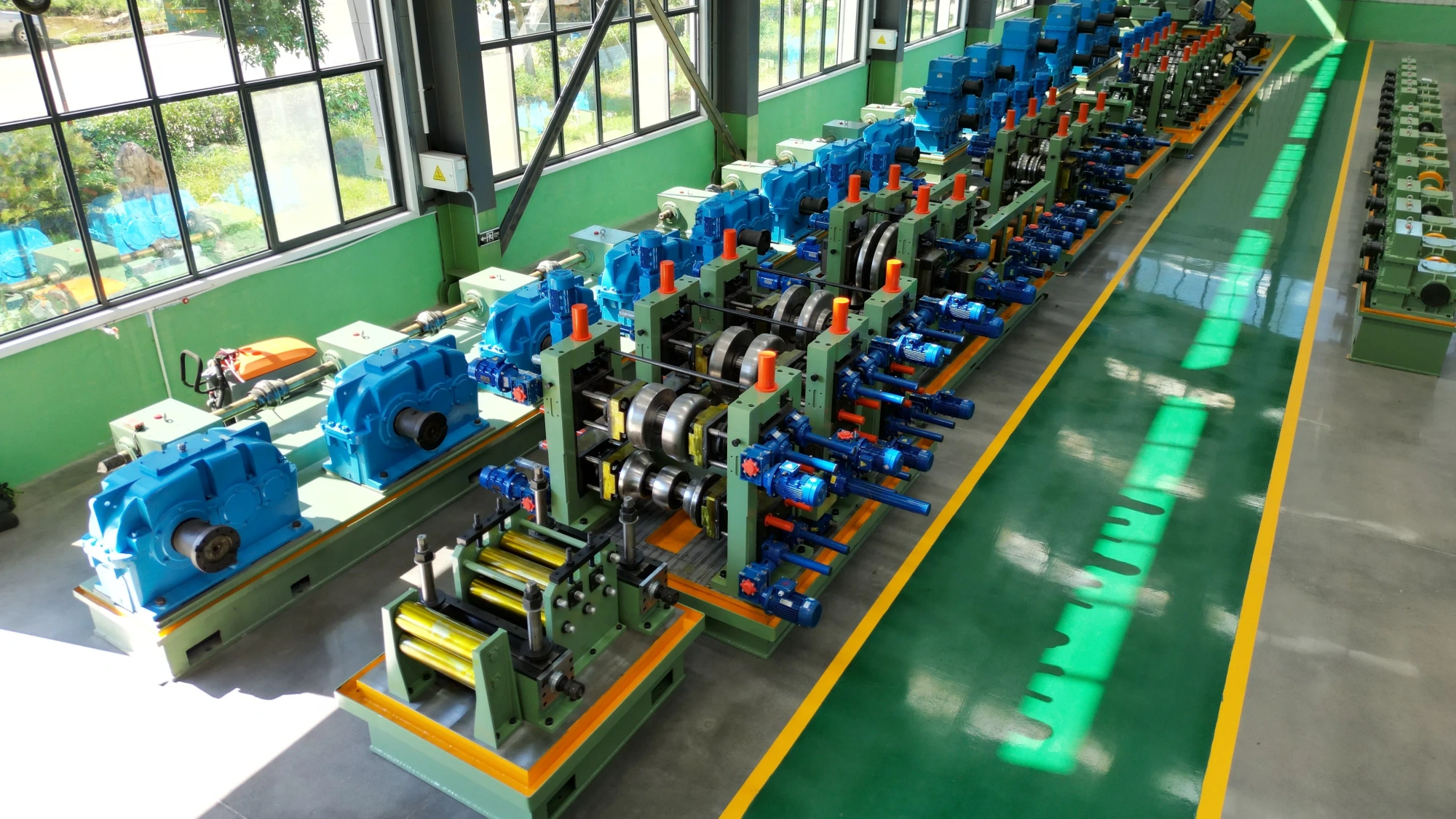
A tube mill line from us is supplied as a complete line or as single units, commissioned on site under the guidance of our engineers, and accepted when two different sizes each run continuously and smoothly for four hours.
Scope of Supply, Commissioning and Sign-Off
- Scope is tiered, not fixed — the split is complete line versus single unit.
- Commissioning crew and duration: two to three engineers, with the period set in the quotation on high-frequency welded lines; on spiral lines, five personnel — four engineers and an adjustment technician — over forty days.
- Acceptance criterion: two different sizes, each running continuously and smoothly for four hours.
- Delivery: standard lines ship within 90 working days of the deposit, with plant-level customisation scheduled from our own manufacturing base.
- Installation: our engineers travel to site to guide installation, commissioning and operator training; the buyer provides the installation crew and covers the engineers’ travel, lodging and daily allowance.
What a Complete Line Includes — Itemised Scope
A complete high-frequency line is supplied as eight units: expanding-mandrel uncoiler, five-roller leveller (HG89 and above), automatic shear and butt welder, spiral accumulator, forming and sizing mill, high-frequency induction welder, flying saw, and PLC with variable-frequency control — together with the forming and sizing rolls for the agreed sizes, the electrical cabinets, the hydraulic and pneumatic systems, a spare-parts pack, and the drawings and operating manuals.
The line is dismantled into units and shipped in containers: heavy frames are braced and secured, while precision parts and wear items travel in wooden cases together with the spare-parts pack.
Supply is quoted as a complete line or as single units, and the price difference reflects scope rather than a quality gap; how the tiers differ is set out under tube mill configuration tiers.
Spiral lines come in two configurations, 820 and 1620; their scope and finishing trains are set out under SSAW spiral welded pipe mill.
Installation and Commissioning: Crew Size, Duration and Day Rate
Crew and duration: on high-frequency welded lines two to three engineers are despatched, with the commissioning period set in the quotation; on spiral lines five personnel — four engineers and an adjustment technician — are despatched for forty days. The buyer provides the installation crew and covers the engineers’ travel, lodging and daily allowance; a per-man-day rate is quoted on request.
Support continues online after handover, and our after-sales team handles enquiries.
Integrators and agents building a plant for an end customer can find programme terms under for distributors and integrators, and the API line pipe mill page covers lines built to API 5L.
Delivery, Packing and the Three Time Figures
Three different periods apply. The delivery period: standard lines ship within 90 working days of the deposit, and larger lines are scheduled in the quotation. The commissioning period: set in the quotation for high-frequency welded lines, forty days on spiral lines. The acceptance run: two different sizes, each running continuously and smoothly for four hours.
Payment is 30% by T/T on signing, 65% by T/T before shipment and 5% after installation and commissioning, or L/C at sight; prices are quoted ex-works (EXW).
Acceptance Test: Continuous Production on Two Sizes
Running continuously means the coil-join chain has to work: the shear and butt welder and the accumulator exist so that a coil change does not stop the mill. The acceptance criterion is a single, checkable sentence: two different sizes, each running continuously and smoothly for four hours. It matters to integrators and agents because it is the clause a project buyer needs in order to sign off.
That criterion is worth reading carefully, because it tests three things at once. Running two sizes means the line has to go through a size change and come through it cleanly — and drift after a changeover is a distinct quality risk, showing up as batch-to-batch dimensional variation. Running smoothly means the weld and dimension control have to hold across the whole window.
Responsibility for acceptance is split: the mill controls welder power matching, seam alignment, squeeze, sizing and straightening; the buyer controls incoming strip grade and flatness and the operation itself. On high-end configurations, material yield can reach 93% or more, and actual yield also depends on the plant’s own operation.
Frequently Asked Questions
What does the scope of supply include?
Supply is offered either as a complete line or as a single unit.
An itemised scope list for your configuration is issued with the quotation.
How many engineers are despatched and for how long?
On high-frequency welded lines, two to three engineers, with the commissioning period set in the quotation. On spiral lines, five personnel — four engineers and an adjustment technician — for forty days. The buyer provides the installation crew alongside them.
What is the day rate and what does it cover?
A per-man-day rate is part of the same installation-and-commissioning clause and is quoted on request. The clause covers the despatch of the commissioning crew for the commissioning period and sets out what the buyer provides on site: the installation crew and the engineers’ travel, lodging and daily allowance.
What must be achieved for the line to pass acceptance?
Two different sizes, each running continuously and smoothly for four hours. That is the criterion in full. It is a production test rather than a static inspection: it requires a size change to be carried out during the acceptance window, and it requires the coil-join chain to hold so that production is genuinely continuous.
What lifting equipment is needed on site?
Heavy frames on large-diameter and API lines need professional lifting on site; the lifting requirement for your line is given with the layout drawing.
What power, air and water supplies must the plant provide?
The plant provides power, compressed air and water; the totals for your line are issued with the layout drawing. Cooling water or emulsion and hydraulic oil are process media the buyer purchases locally to our specification. On spiral lines, the X-ray tube cooling also needs water at more than 4 L/min with an inlet temperature not above 35 °C.
Tube mill complete-line project cost
Cost depends on the scope tier — complete line or single unit — and on the configuration within that tier. Price differences between configurations reflect scope, not a difference in quality.
Commercial terms: 30% by T/T on signing, 65% by T/T before shipment and 5% after installation and commissioning, or payment by L/C at sight; prices are quoted ex-works (EXW).
Tube mill complete-line project
A complete-line project means that the line is manufactured to the configuration agreed, shipped knocked down in containers with precision parts crated, re-assembled on site by the buyer’s crew and commissioned under the guidance of our despatched engineers, with the crew and the commissioning period set in the quotation, and accepted when two sizes each run continuously and smoothly for four hours.
Standard lines ship within 90 working days of the deposit, and plant-level customisation is scheduled from our own manufacturing base, which buyers can visit.
From the Workshop
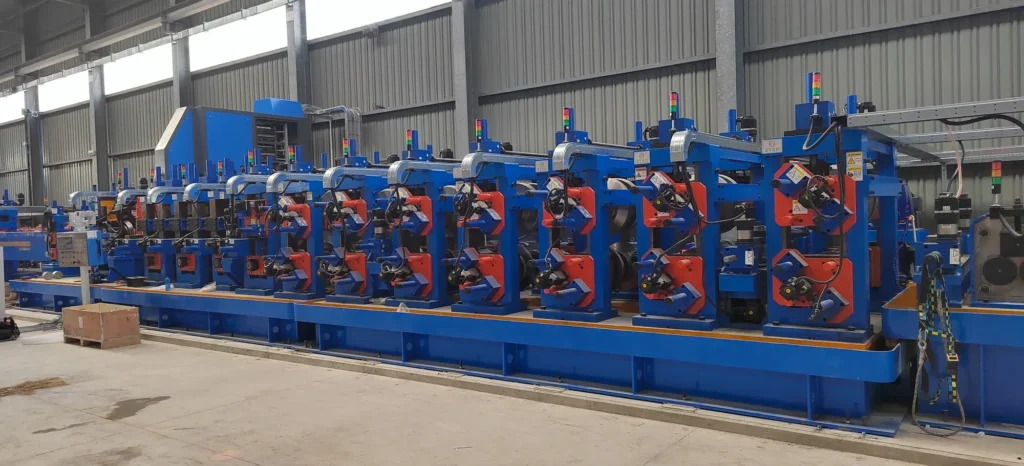
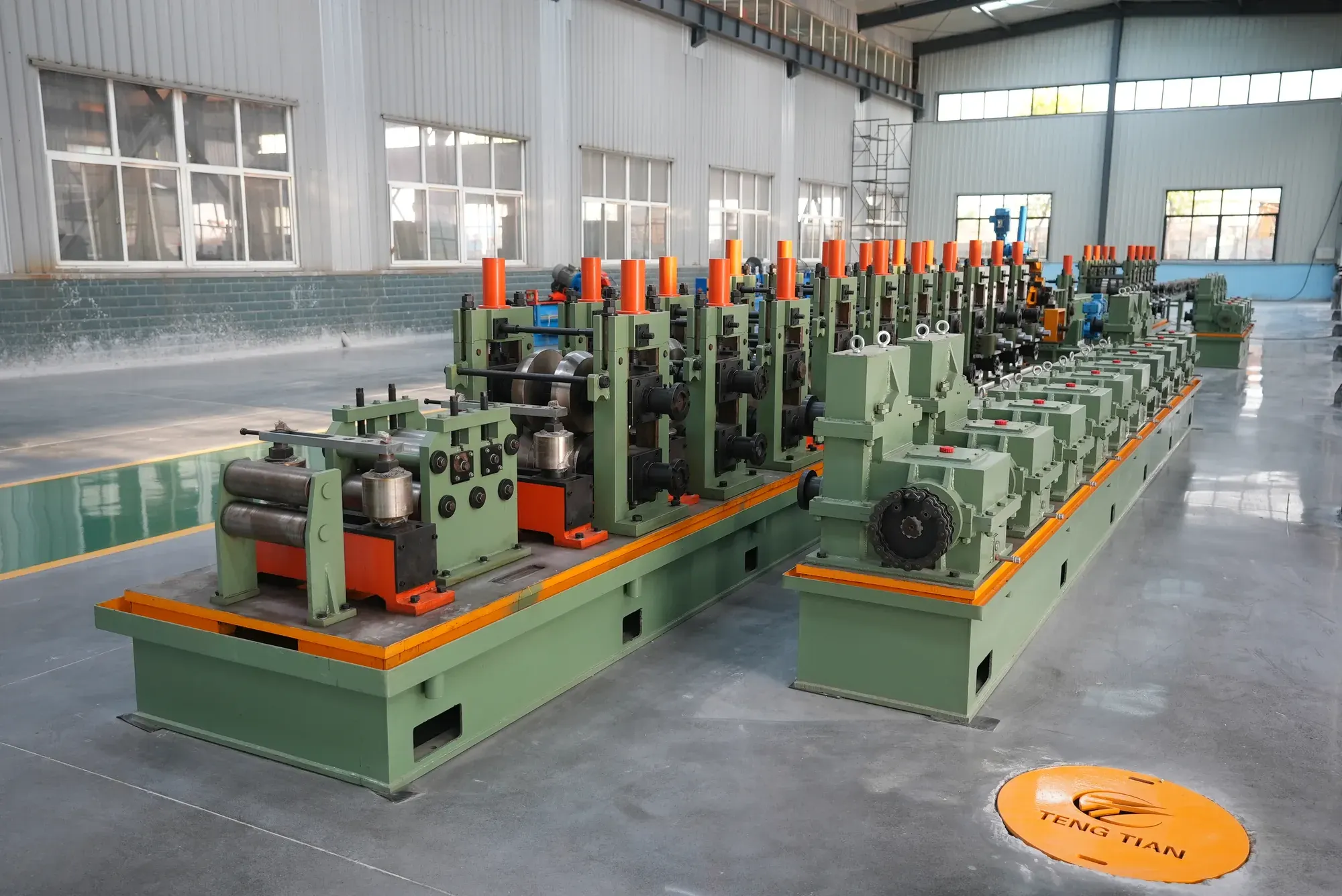
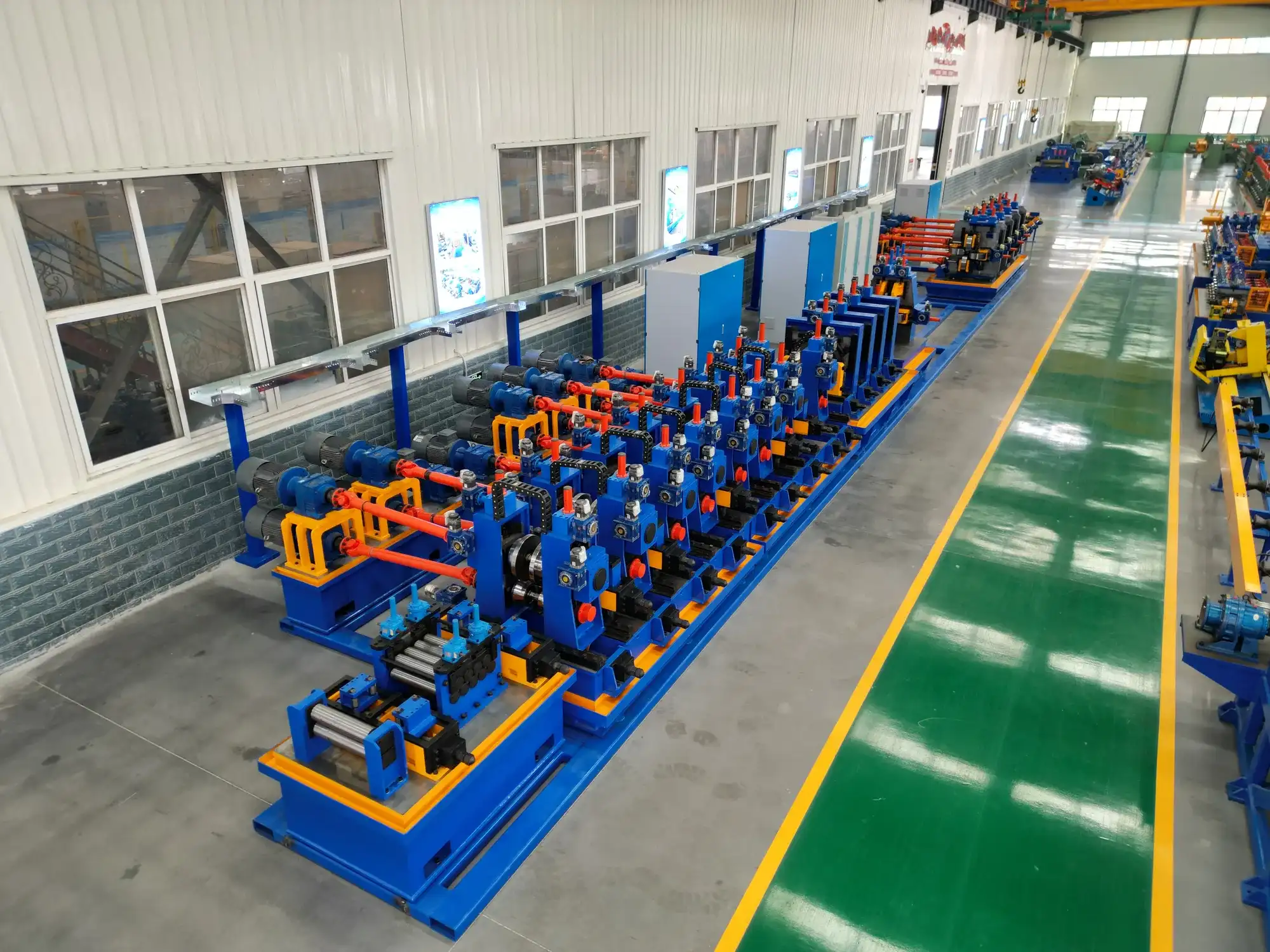
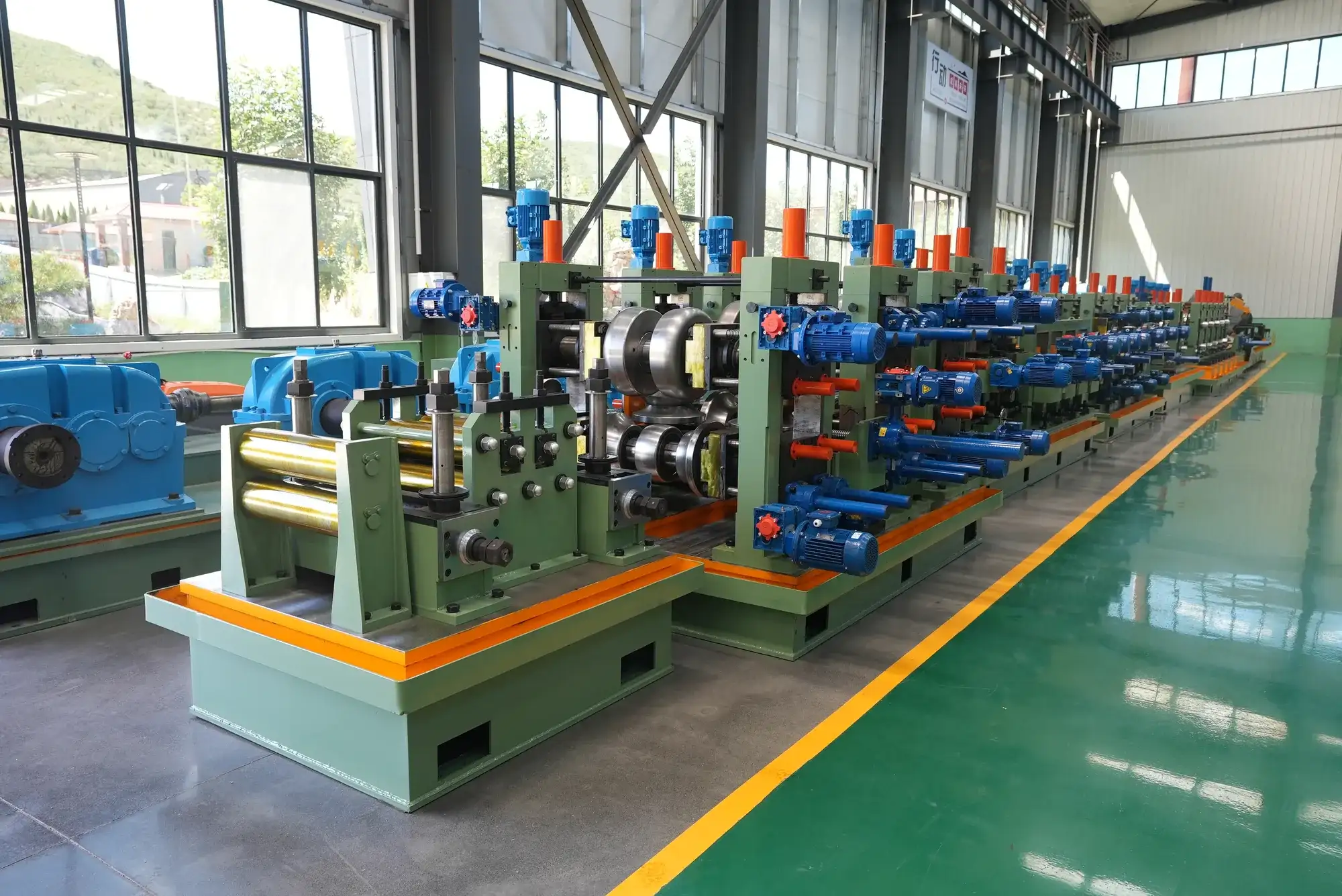 Tube Mill Manufacturer
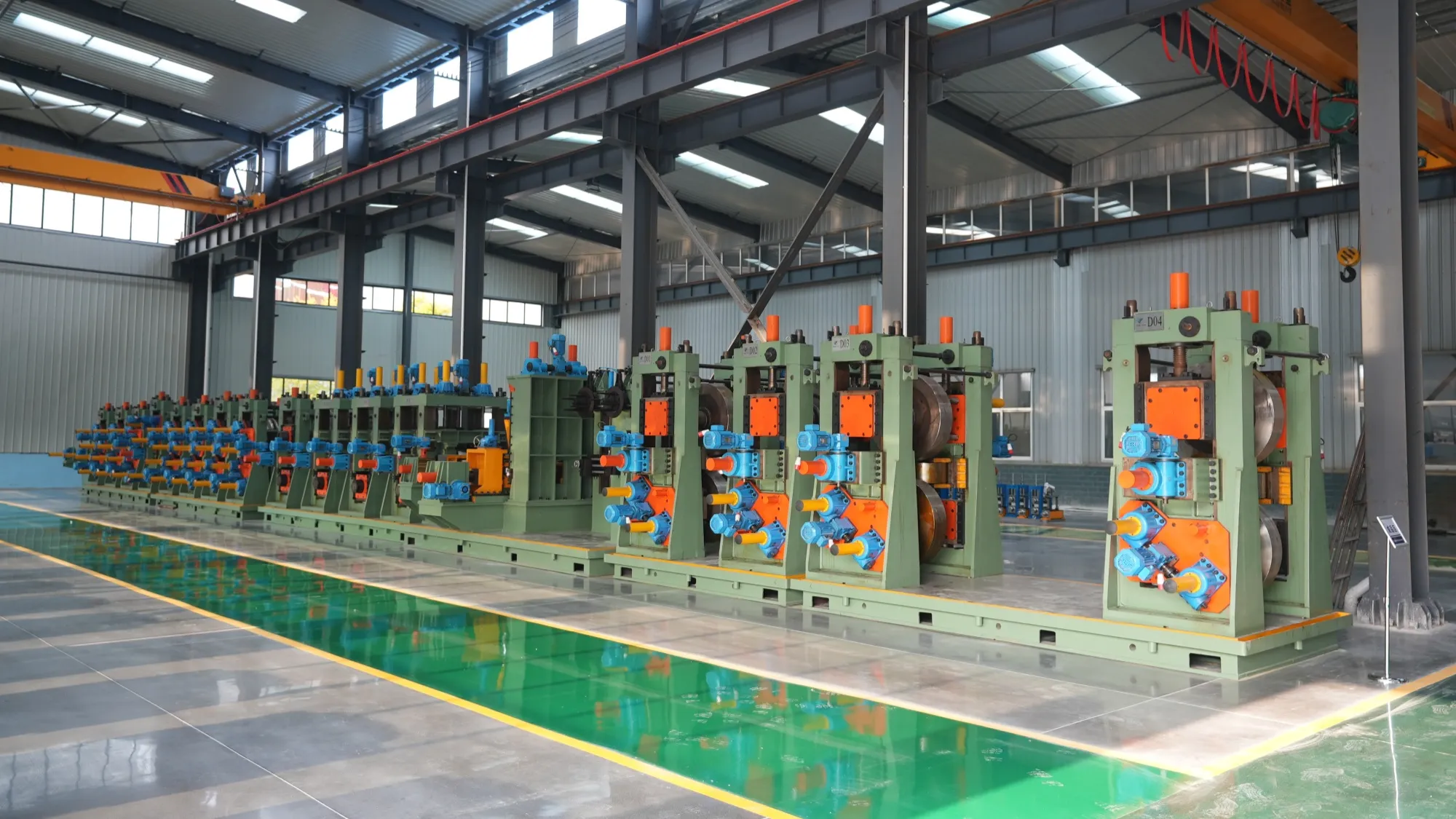 Configuration Tiers Behind a Pipe Making Machine Price
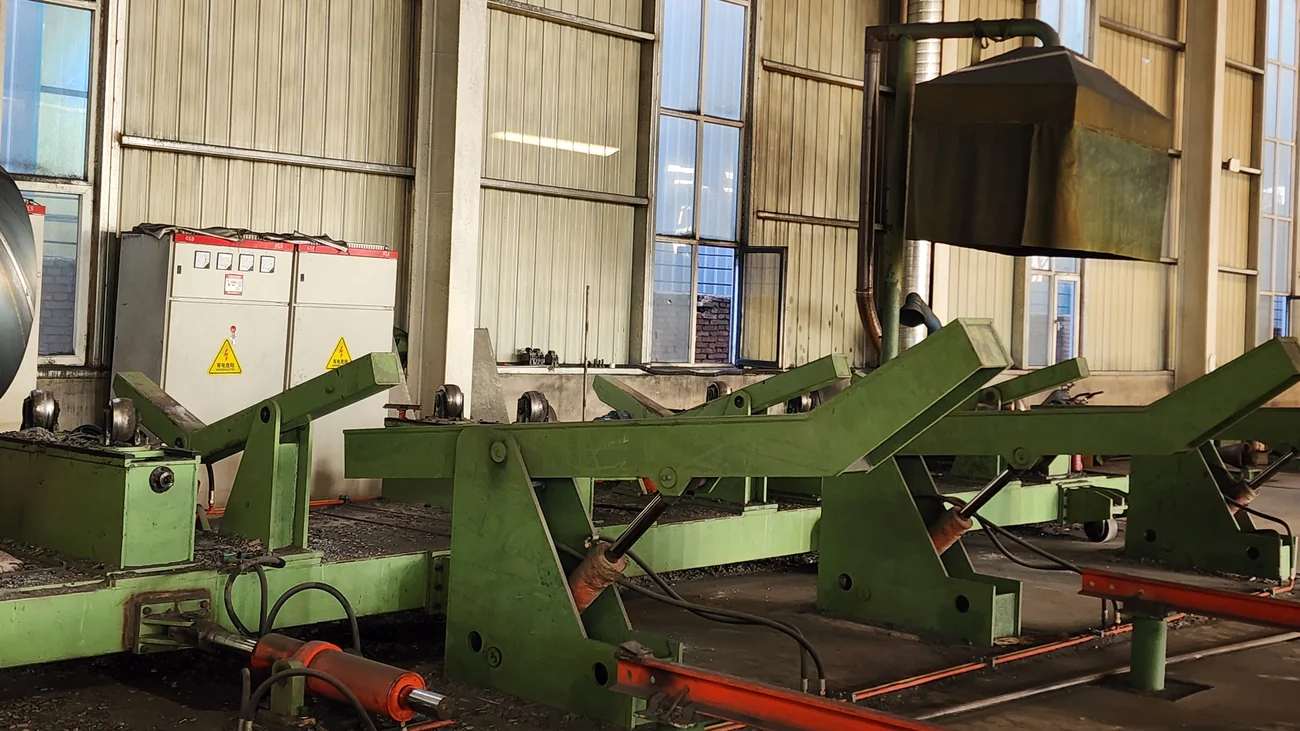 SSAW Spiral Welded Pipe Mill
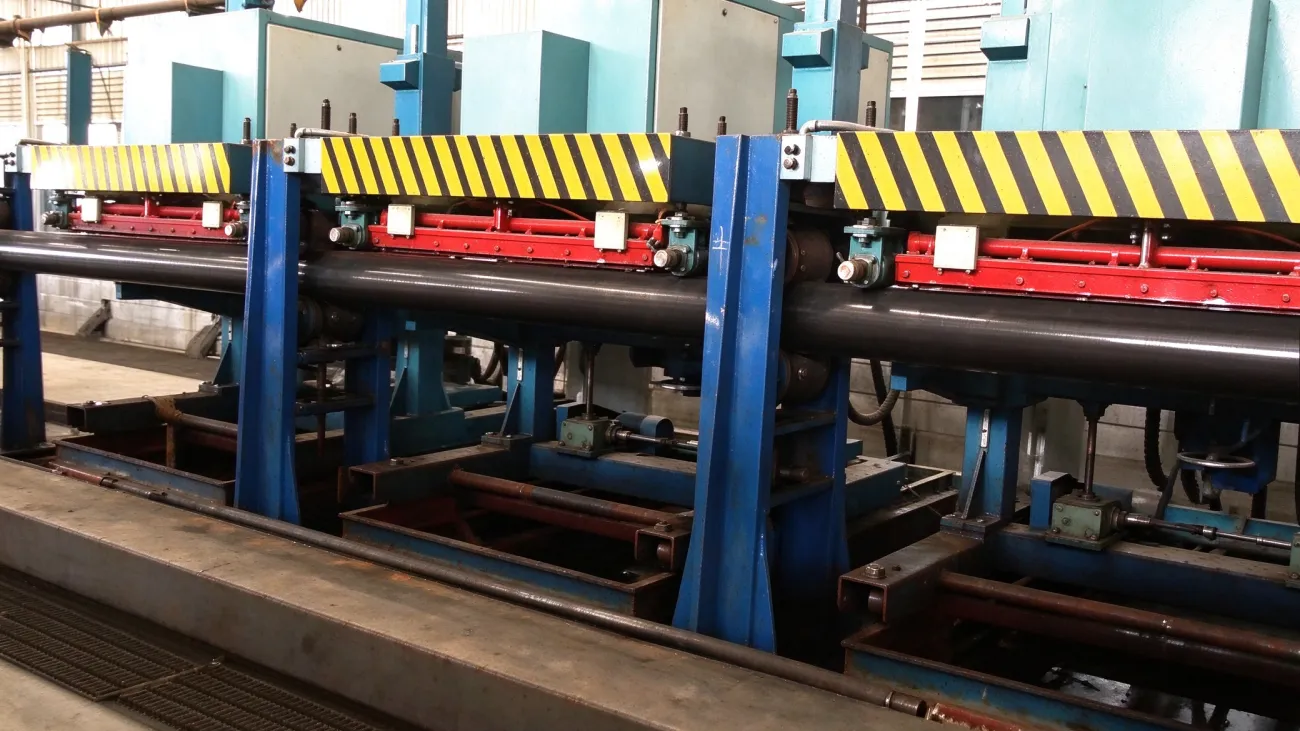 API Line Pipe Mill
Send Your Enquiry
Tell us the pipe outside-diameter range, the wall thickness and the output you need. An engineer reads every enquiry — it does not land in a general sales inbox.