
Home › Steel Coil Slitting Line › Slitting Precision
In This Line
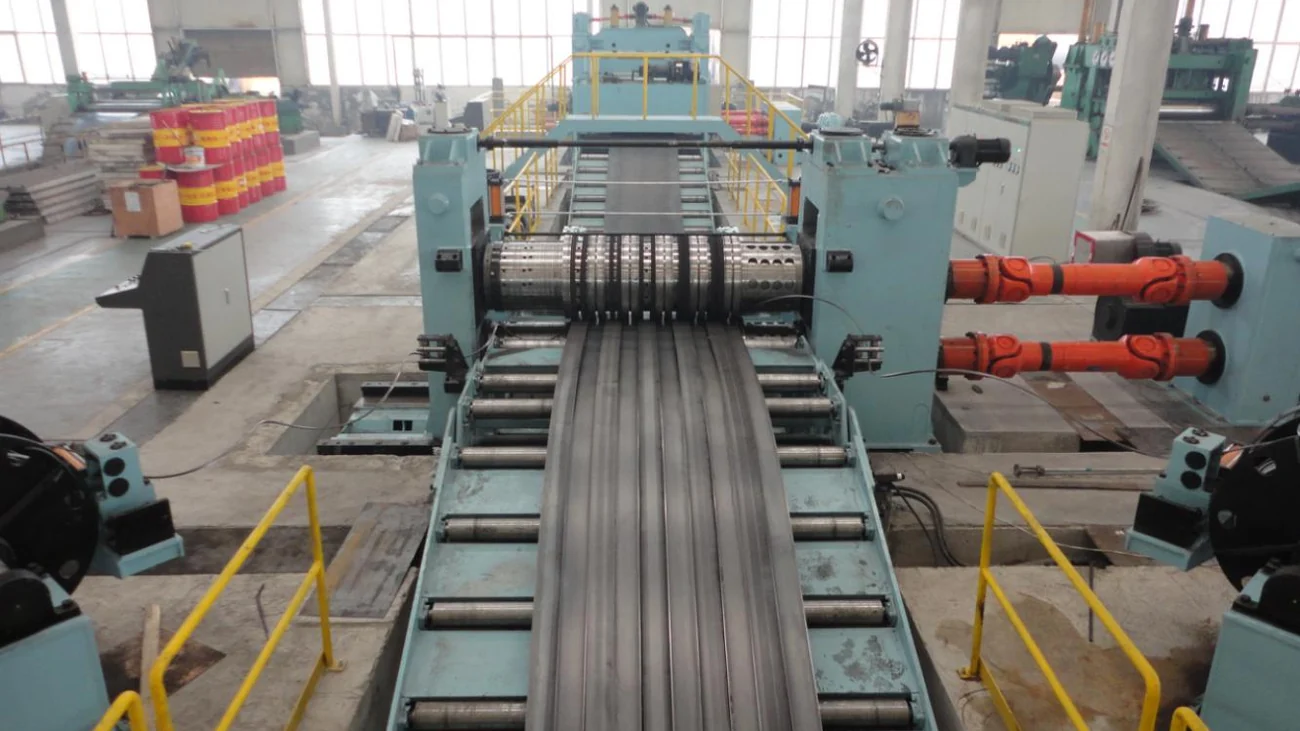
Four tolerance values apply to the slitting side: slit width to ±0.2 mm, camber not more than 0.5 mm per 1000 mm, burr not more than 4 per cent of strip thickness, and telescoping within ±10 mm.
What Is Slitting Precision
A steel slitter is judged on four separate tolerances rather than one accuracy figure: slit width, camber, burr and telescoping. They fail for different reasons and are checked at different points. Slit width is measured across the finished strip, camber is the sideways bow of the strip along its length, burr is the raised edge left by the knives, and telescoping is the sideways stagger of the recoiled coil.
How each of the four tolerances is caused
Width and burr are set by the knife set: knives, spacers and rubber sleeves configured for the strip thickness hold them, and worn knives or spacers, or a wrongly built set, lose them. Camber and telescoping are set by the hydraulic shear, looper and tension unit: tension, looper and recoil control hold them, and losing that control produces them. The one crossover is that worn or wrongly configured knives cause camber as well, so camber on its own does not prove the fault is on the tension side.
Slitting Precision — Method and Measured Values
These are the tolerances written into the specification of our steel slitting machine, a precision slitting line for hot-rolled coil 1–12 mm thick and 800–2000 mm wide:
- Slit width: ±0.2 mm.
- Camber: no more than 0.5 mm per 1000 mm, for coil width of 200 mm and over.
- Burr: no more than 4% of material thickness.
- Telescoping on the recoil: within ±10 mm.
- Strips per knife set: up to 15 at 2 mm, 10 at 4 mm, 6 at 6 mm and 4 at 8 mm; minimum strip width 80 mm.
- Scrap edge: 5–15 mm.
Steel strip slitting machine
A steel strip slitting machine is bought for the strip it hands on. On a tube mill, slit width becomes pipe size, which is why ±0.2 mm matters; on a roll forming line making open sections, camber decides whether the section comes out straight; on both, burr and telescoping decide whether the coil runs cleanly. See the tube mill and welded pipe production lines this strip feeds.
Sources and Standards Referenced in Our Records
Our slitting lines are CE marked under the EC Machinery Directive 2006/42/EC. The tolerances, strip counts, minimum strip width and scrap width on this page are taken from the technical specification of our SL-12×2000 coil slitting line.
Step-by-Step Procedure
- Build the knife set for the coil thickness, which sets slit width and burr.
- Level the strip in the 2+5-roll pre-leveller before it reaches the knives.
- Trim the head end on the hydraulic shear and centre the strip in the hydraulic side guide.
- Slit the strip and wind the trimmed edges, 5–15 mm wide, onto the scrap winder.
- Hold the strips in the looper, keep them apart in the separating unit and pull them at even tension, which holds camber and telescoping.
- Recoil the strips on the recoiler with separator, within ±10 mm telescoping.
Worked Example — What Is On File and What Is Not
On file: slit width ±0.2 mm; camber no more than 0.5 mm per 1000 mm for coil width of 200 mm and over; burr no more than 4% of material thickness; telescoping on the recoil within ±10 mm. The knife set takes up to 15 strips at 2 mm, 10 at 4 mm, 6 at 6 mm and 4 at 8 mm, with a minimum strip width of 80 mm and a scrap edge of 5–15 mm. At 2 mm the burr limit works out to 0.08 mm; at 8 mm it is 0.32 mm.
Not given as fixed figures: the length over which camber is measured and the method used, how burr height is measured, and whether every tolerance holds unchanged at every thickness from 1 to 12 mm. We confirm these against your strip thickness, width and grade before the order. Distributors can also see our wholesale coil slitting machines page.
These tolerances are for slit strip. Cut-to-length accuracy belongs to our cut-to-length line; for which of the two your plant needs, see slitting vs cut-to-length.
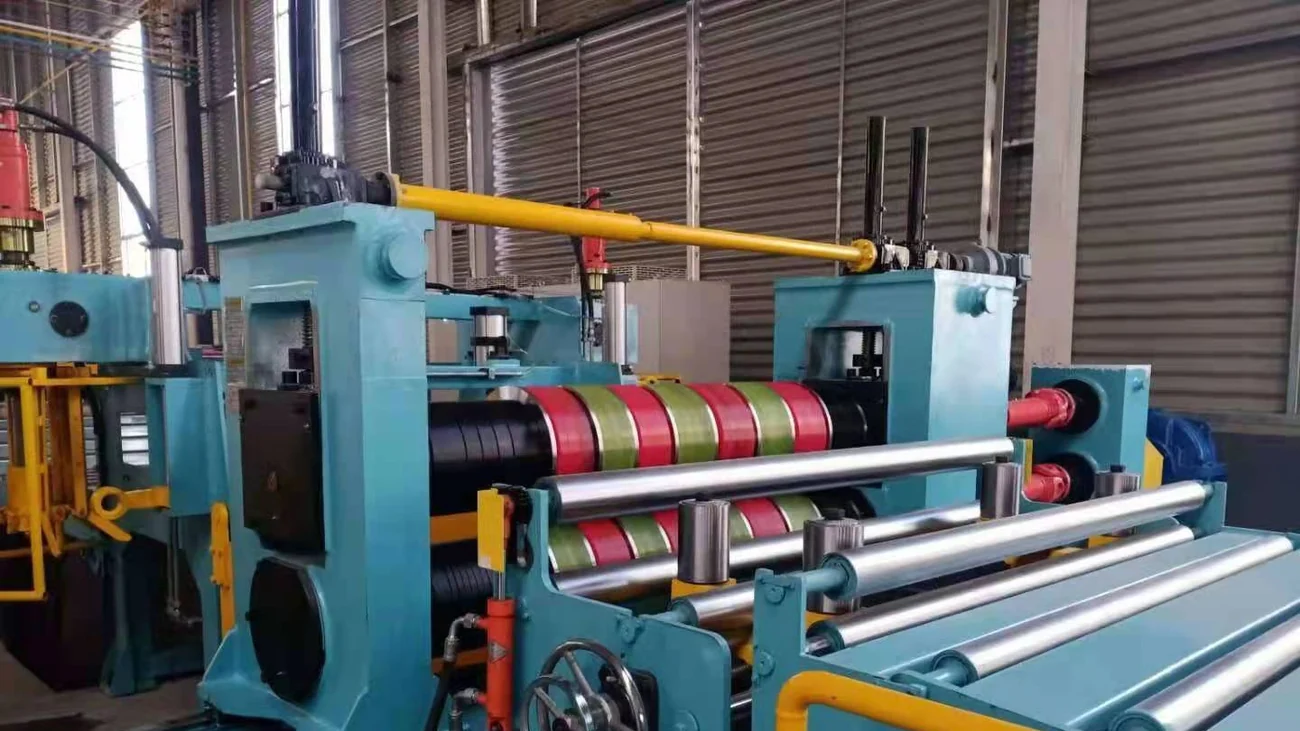 Slitting vs Cut-to-Length
 Slitting Line Running Cost
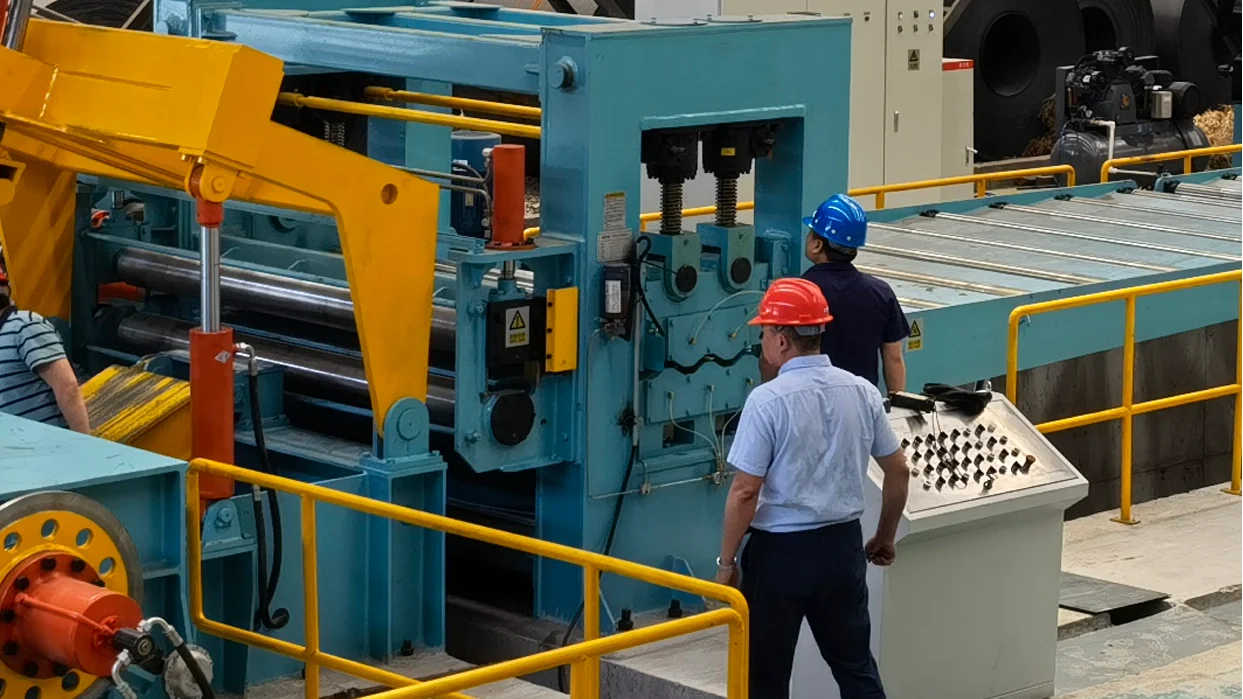 Steel Coil Slitting Machine
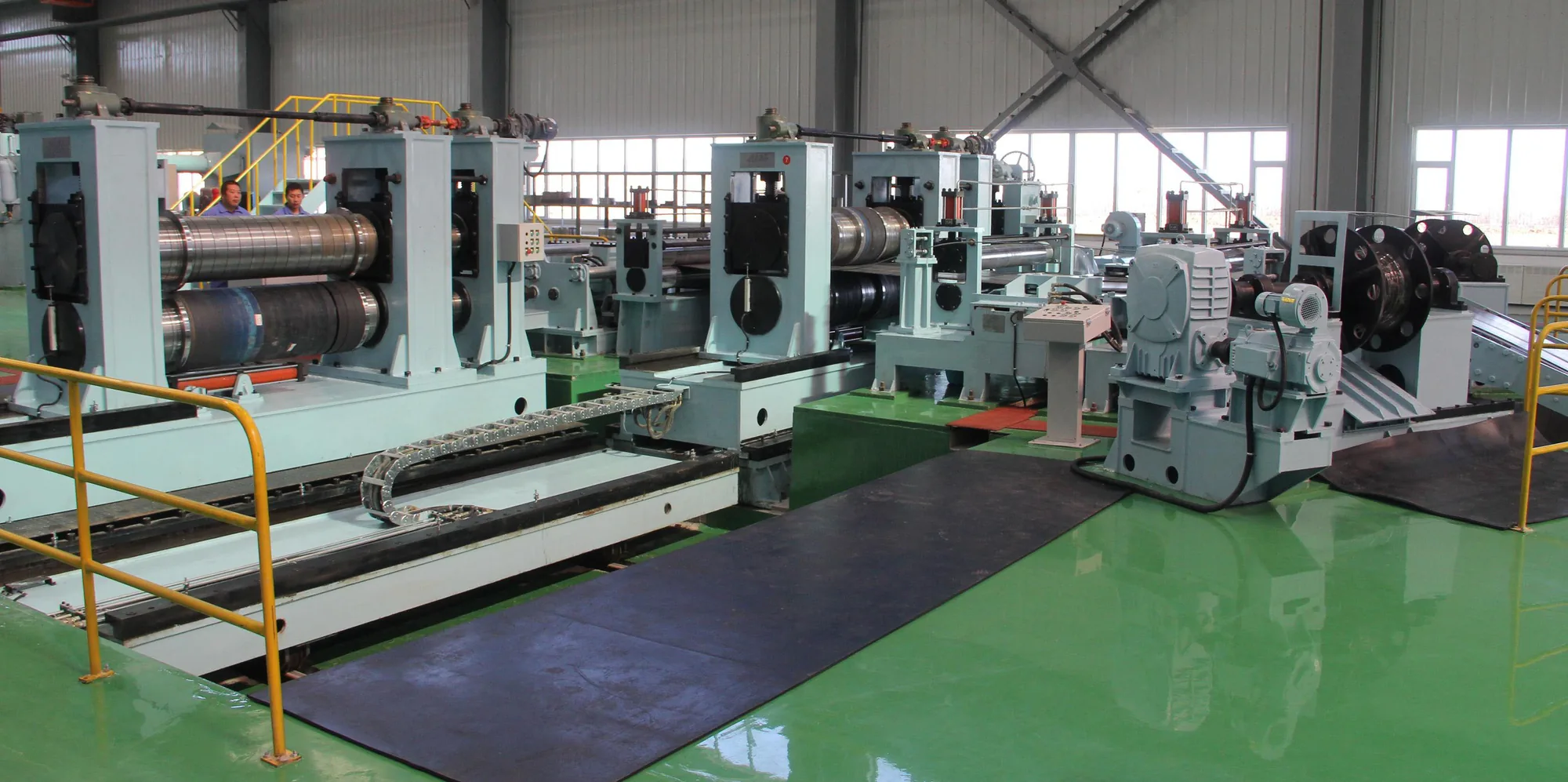 Steel Coil Slitting Line
Send Your Enquiry
Tell us the pipe outside-diameter range, the wall thickness and the output you need. An engineer reads every enquiry — it does not land in a general sales inbox.