
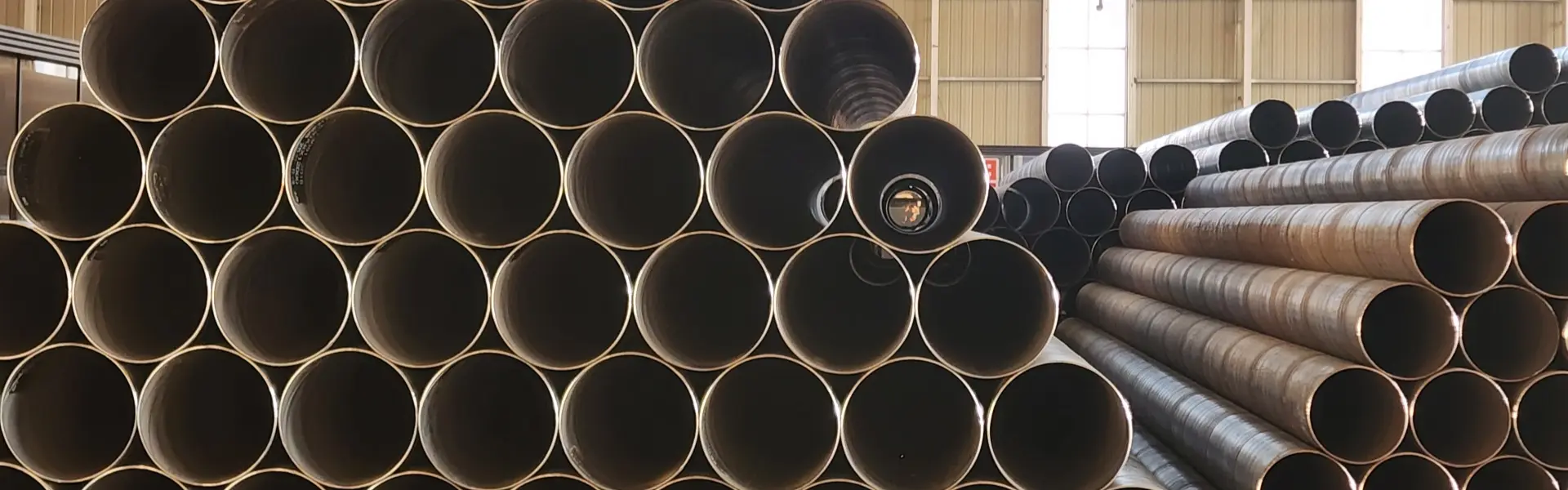
API Line Pipe Mill
In This Line
An API tube mill is a high-frequency welded tube mill extended with a post-weld and inspection train: medium-frequency annealing, straightening, end facing, hydrostatic testing, ultrasonic and eddy-current inspection. Across four models it covers outside diameter 114 to 508 mm with wall 3 to 20 mm.
What Is API Line Pipe Mill
An API line pipe mill is a welded pipe line built to satisfy API 5L: the forming and welding train is extended with post-weld heat treatment and a full inspection chain, and the line covers 114 to 508 mm outside diameter with 3 to 20 mm wall.
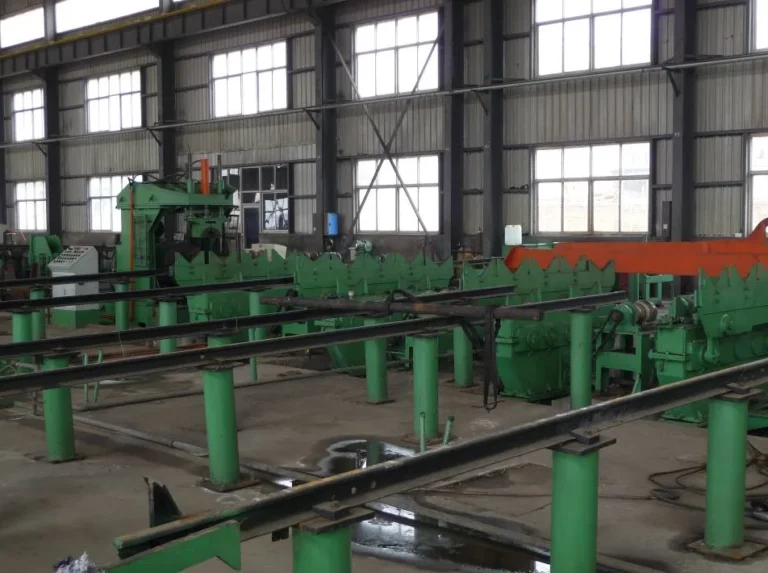 The API Pipe Mill Inspection ChainSee the line →
The difference from an ordinary welded pipe line is a single increment rather than a different machine: post-weld heat treatment plus a full non-destructive testing set, added because line pipe buyers have weld-property and compliance-inspection requirements that structural pipe buyers do not.
That is also what tells the two kinds of line apart. The split is by whether the line carries in-line NDT and post-processing at all — an ordinary welded line without NDT on one side, an API line with annealing, hydrostatic test, ultrasonic and eddy current and end machining on the other — and that split is the key compliance classification.
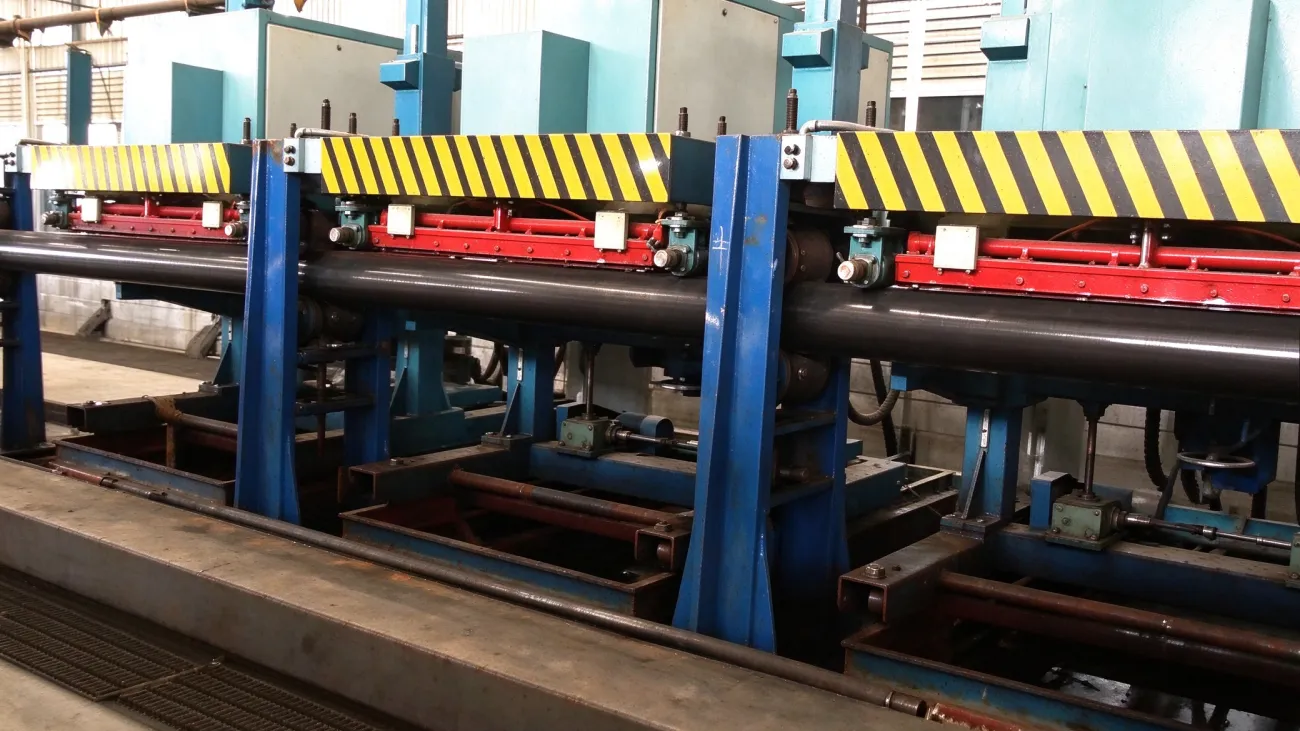
API Line Pipe Mill — Range, Configuration and Output
Size window. Outside diameter 114 to 508 mm, wall 3 to 20 mm, by model.
Models in the family. API 219, API 406, API 426, API 508.
The inspection chain, in order. Medium-frequency annealing, straightening, end facing, hydrostatic testing, ultrasonic inspection, eddy-current inspection. This chain is the decisive stage for API 5L compliance and delivery.
Why NDT is core rather than optional. The in-line NDT and hydrostatic units are core equipment: they constitute the API 5L compliance inspection chain and are the threshold for a line pipe order. Missing or unstable inspection leads to undetected weld defects, inability to deliver compliant line pipe, and rejection or claims.
What each stage is for. Annealing is applied to the weld zone by medium-frequency heating, addressing weld-zone hardness and insufficient toughness. Hydrostatic, ultrasonic and eddy-current testing together address missed detection, false calls and lack of traceability.
Key Parameters: Size Range, Wall Thickness and Welder Power by Model
| Model | Finished OD | Wall thickness | Strip width | Coil weight | HF welder | Medium-frequency annealing |
|---|---|---|---|---|---|---|
| API 219 | Φ114–219 mm | 6.0–10.0 mm | 350–690 mm | 15 t | 600 kW | 600 kW |
| API 406 | Φ152–406 mm | 3.0–12.7 mm | 470–1280 mm | 30 t | 600 kW | 1000 kW |
| API 426 | Φ159–426 mm | 3.0–14.0 mm | 500–1340 mm | 30 t | 600 kW | 1000 kW |
| API 508 | Φ219–508 mm | 5.0–20.0 mm | 680–1600 mm | 25 t | 1000 kW | 600 kW |
All four models: coil ID Φ508–610 mm, coil OD Φ1200–2100 mm; strip grades L245–L485 and X42–X80 (also SCH20, SCH30 and SCH40); pipe length 4–6 m.
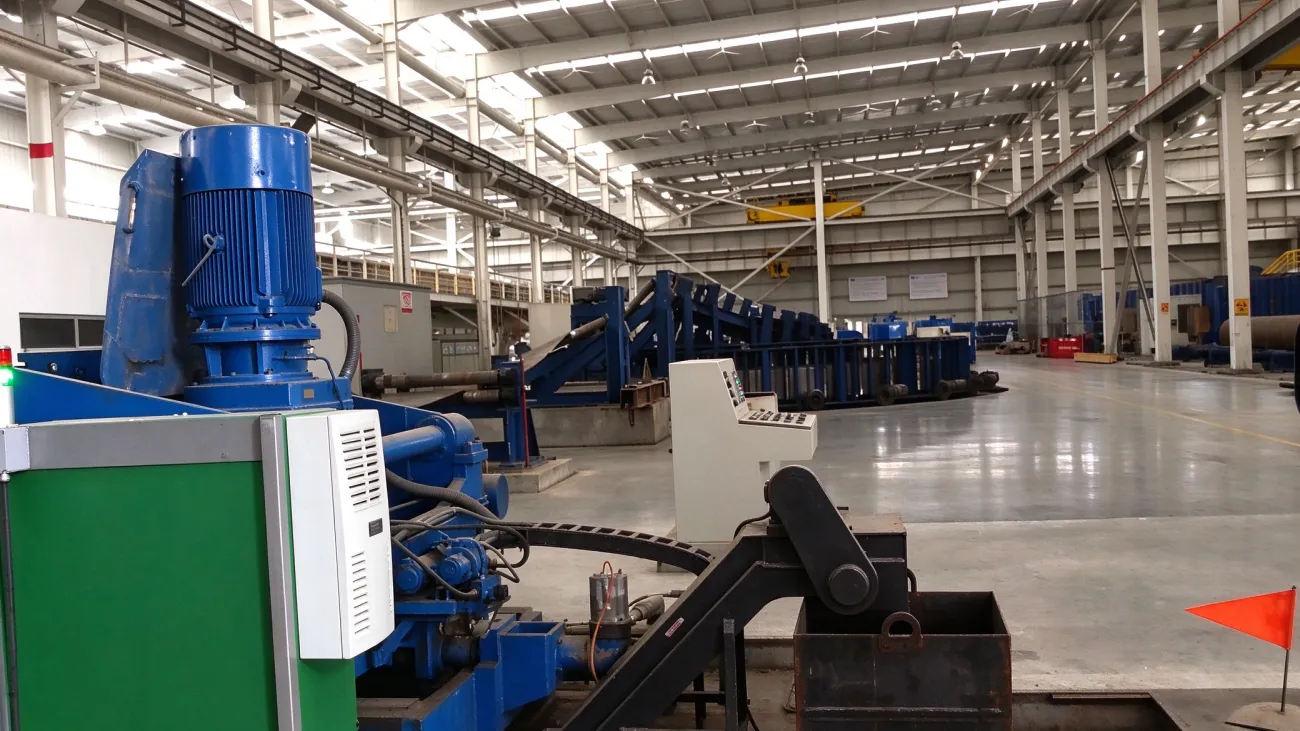
Why Annealing Sits at the Front of the Chain
Of the six post-weld stations, annealing is the one that changes the metal rather than measuring it. Medium-frequency heating is applied to the weld zone and the pipe is then allowed to cool naturally, improving the metallographic structure and toughness of the weld and its heat-affected zone.
The controlled variables are annealing temperature and heating power, and the consequence of getting them wrong is weld mechanical properties that do not meet the standard.
That is why the chain runs in this order. Straightening and end facing follow annealing because they act on a pipe whose weld properties have already been set. Hydrostatic, ultrasonic and eddy-current testing come last because their job is to confirm the result, not to produce it.
North American Buyers and the ASTM Question
For North American buyers, ASTM specifications are the usual reference alongside API 5L. ASTM is recommended rather than mandatory: without it, buyer confidence is lower, but it is not an outright barrier.
Traceability is the thread running through both standards questions. Traceable inspection is one of the three things the NDT and hydrostatic units are there to deliver, and when those units are unstable, the result is missed calls, false calls and lost traceability.
What the Line Guarantees and What It Does Not
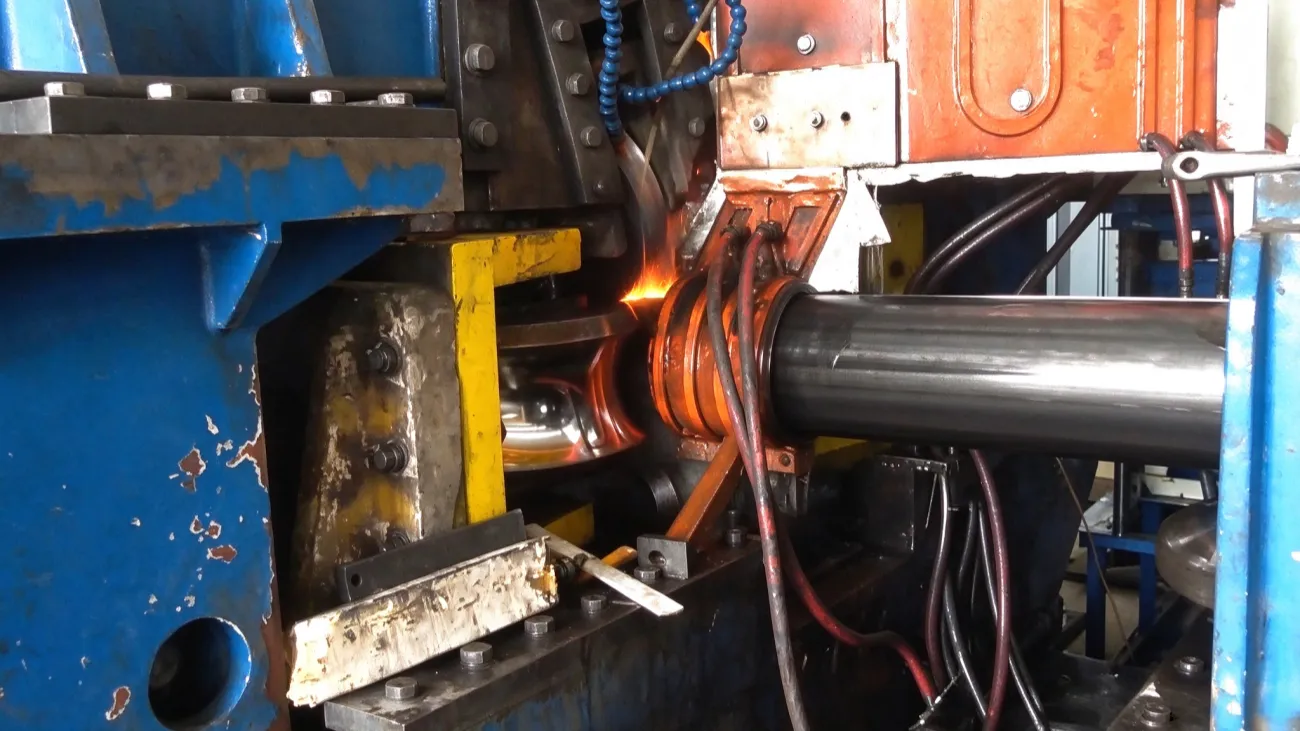
What is judged is the customer’s API 5L line pipe, not the machine.
On the equipment side: the API line provides the complete inspection chain — annealing, hydrostatic, ultrasonic, eddy current — for compliant and traceable line pipe. On the customer side: incoming material and operation.
Equipment readiness for a standard and a plant’s certification against that standard are two different things. We build and configure the equipment; certification is earned by the pipe plant under its own quality system.
How to Choose the Right Model
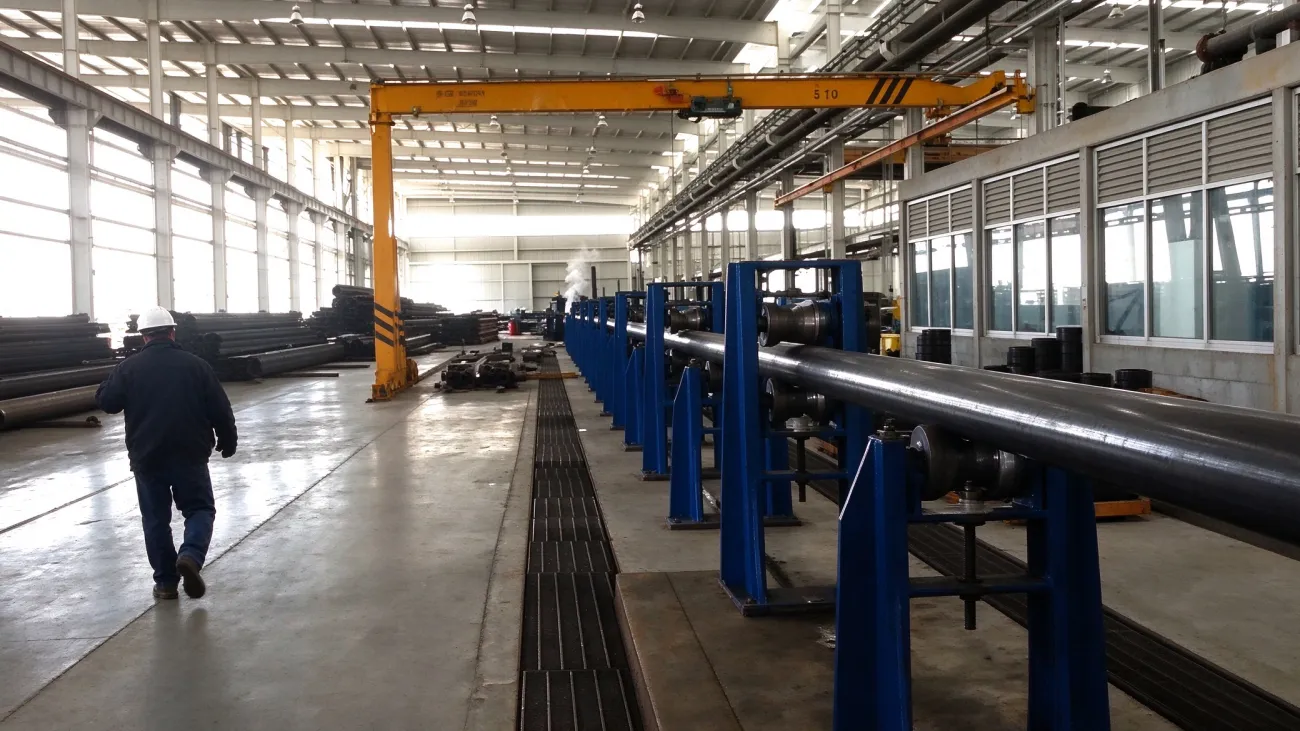
Start from what the pipe must prove. The application is line pipe production to API 5L for oil and gas transmission — one of the pipe production applications we equip — where weld performance and compliance inspection — hydrostatic, ultrasonic, eddy current — are a precondition for the order rather than a quality preference.
Then check acceptance. The questions are whether the API 5L inspection chain is satisfied, whether annealing and flaw detection are stable, and whether results are traceable.
Then check size against the window. Outside diameter 114 to 508 mm and wall 3 to 20 mm across the four models is the boundary; a requirement outside it is a different family, not a configuration.
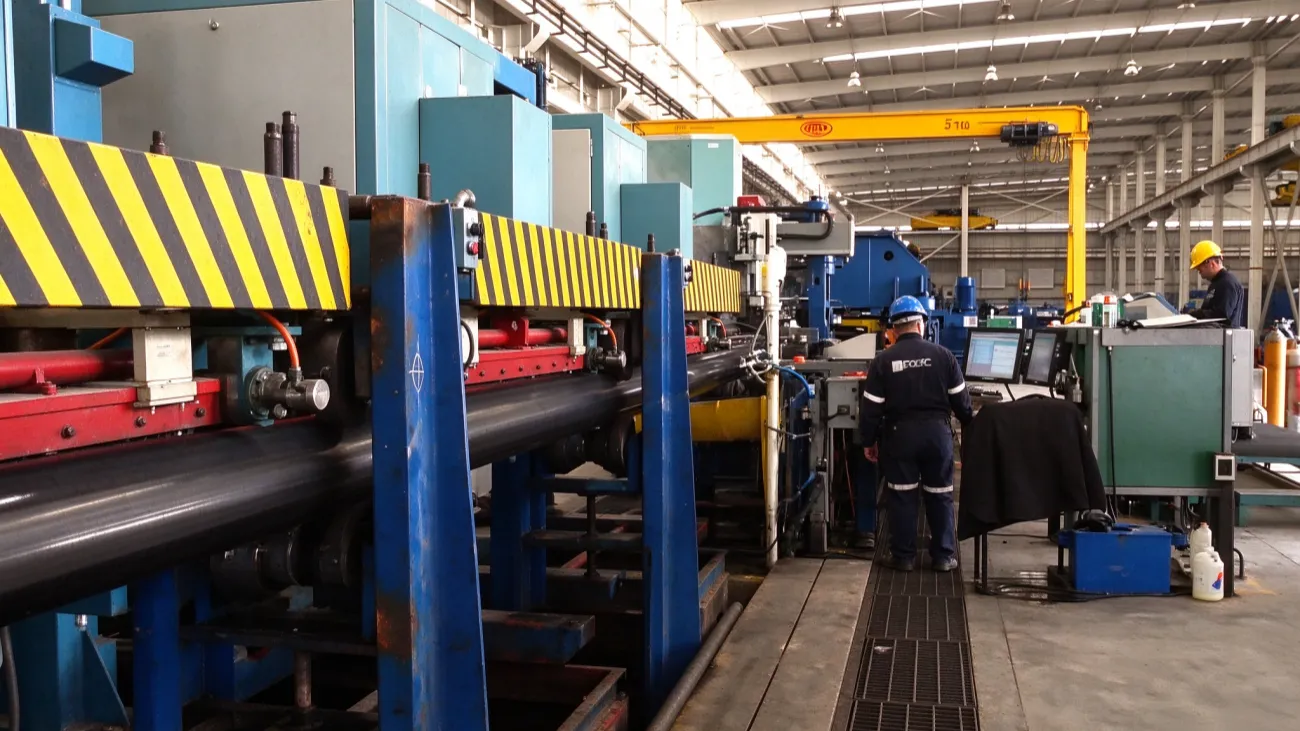
Then check the operating burden. In-line inspection and acceptance require professional NDT training or qualification, with flaw-detection parameters, calibration and acceptance criteria as the controlled variables and missed or false calls as the failure mode.
Scope of Supply, Installation and Commissioning
The line is dismantled into units and shipped in containers: heavy frames are braced and secured, while precision parts and wear items travel in wooden cases together with a spare-parts pack. Shipment is within 90 working days of the deposit.
Installation and commissioning are guided on site by our engineers, with online support behind them; the buyer provides the installation crew and covers the engineers’ travel, lodging and daily allowance.
Payment is staged — 30% by T/T on signing, 65% by T/T before shipment and 5% after installation and commissioning — or made by L/C at sight. For integrators quoting a full plant, the API line pipe plant for integrators page sets out the scope.
Consumables for this family are the NDT couplant and calibration blocks, replenished according to inspection volume.
API Pipe Mill Manufacturer
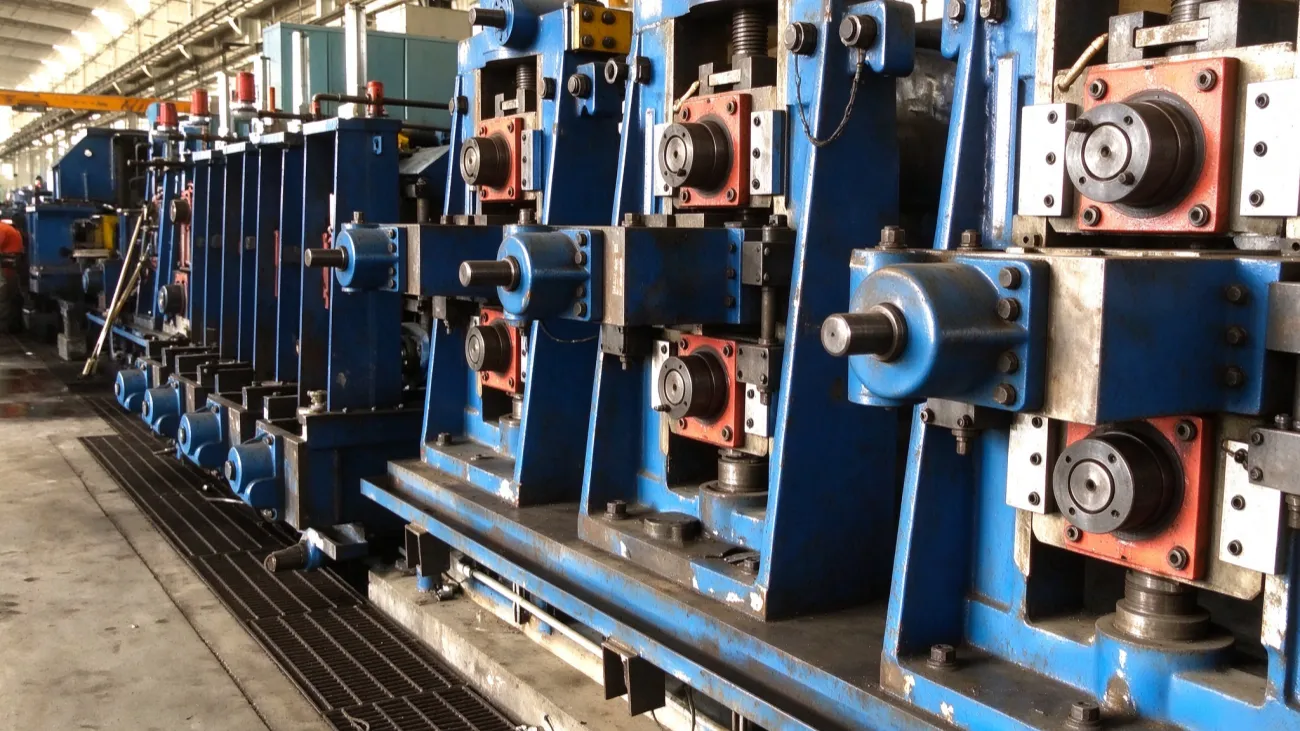
For this family specifically, the API line runs the full API 5L inspection chain, and that chain is what we point to when buyers ask whether the equipment can meet API 5L.
Alongside it sit the general manufacturer facts: in-house CNC machining, our own manufacturing base open to inspection visits, twenty research and development engineers averaging twenty years of experience, and our after-sales team.
API 5L Pipe Mill with NDT
The NDT set is what defines this line. In-line: hydrostatic testing, ultrasonic inspection and eddy-current inspection, applied to the weld and pipe body and judged against the standard as pass or reject.
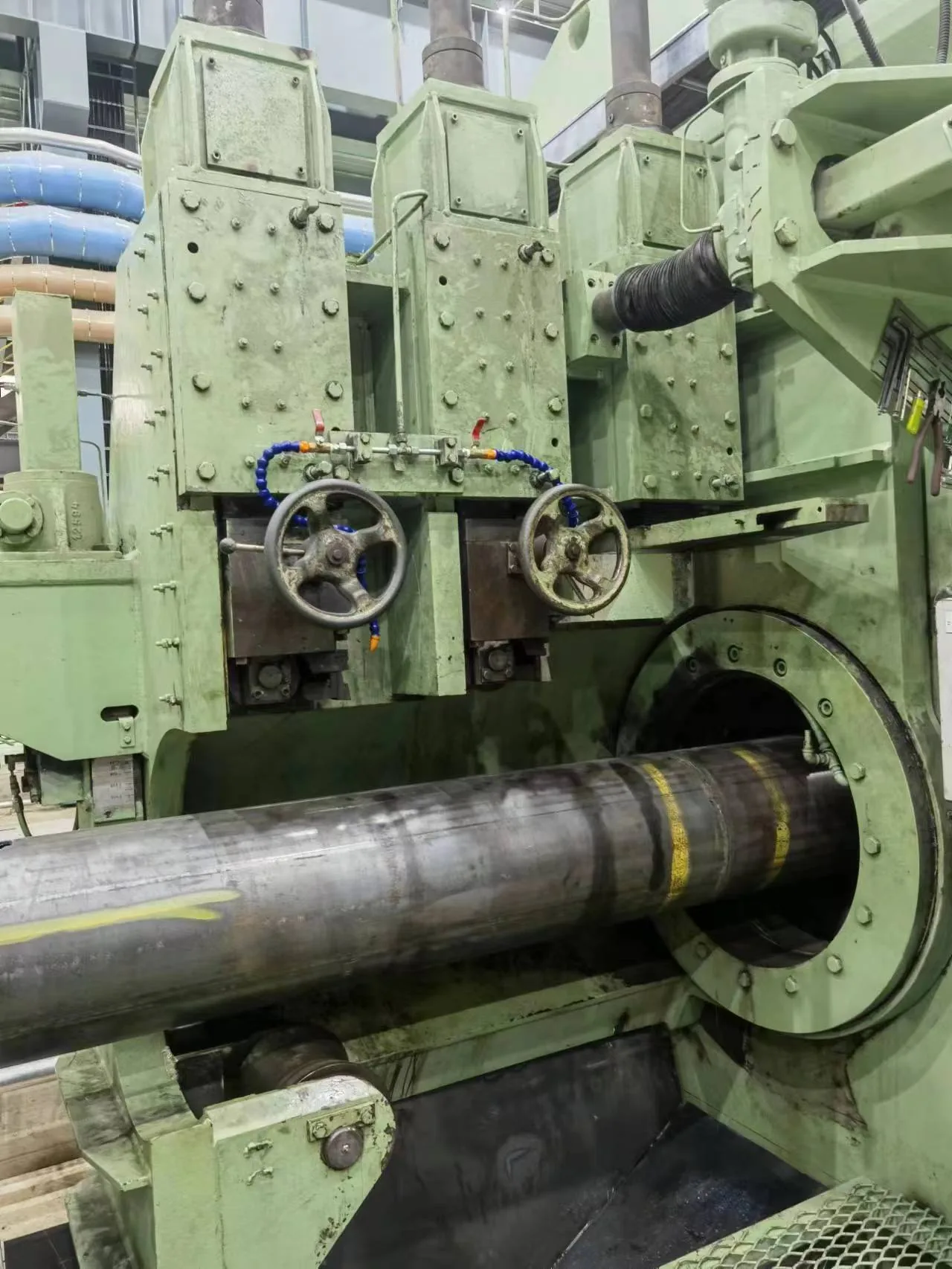
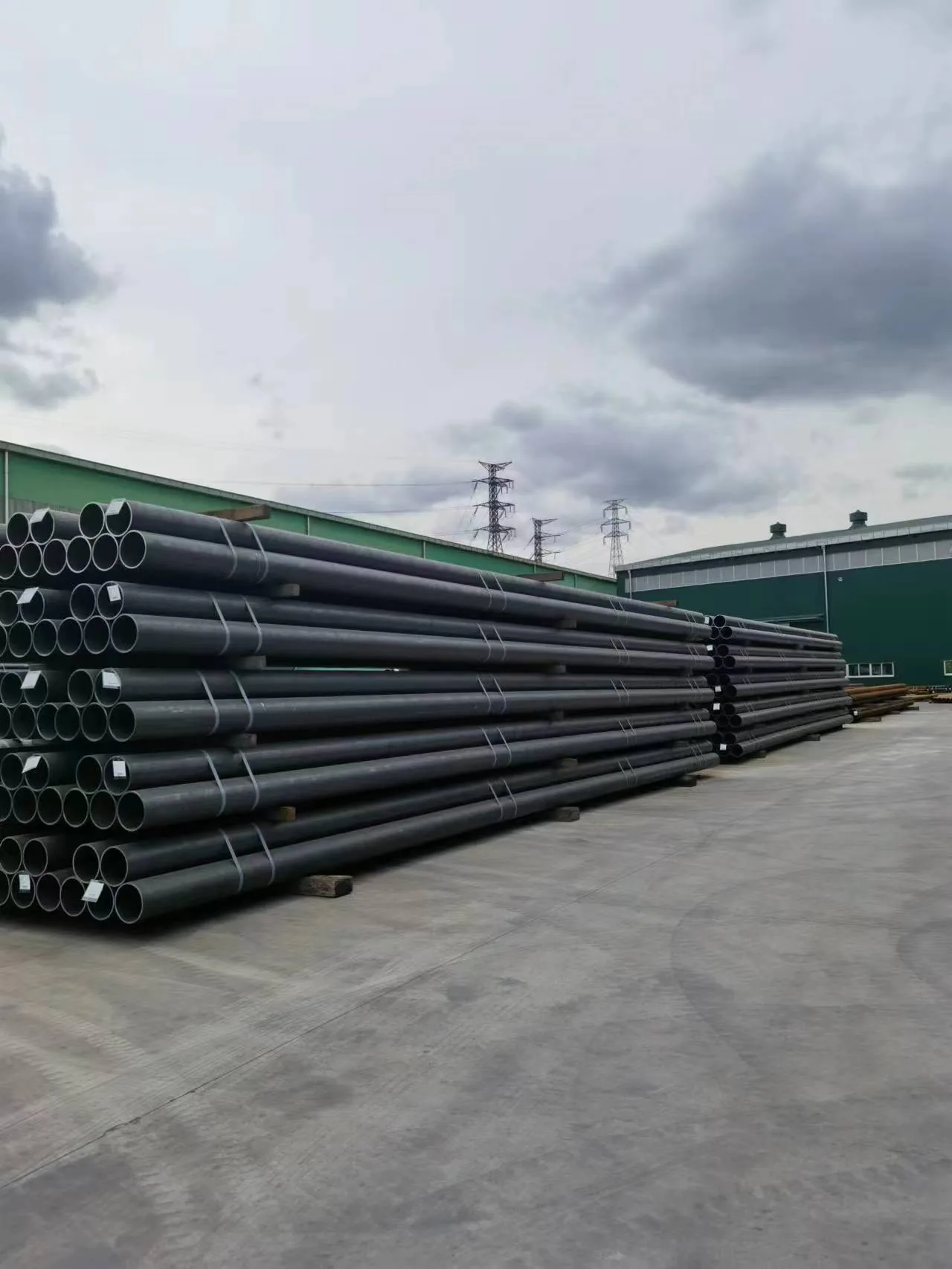
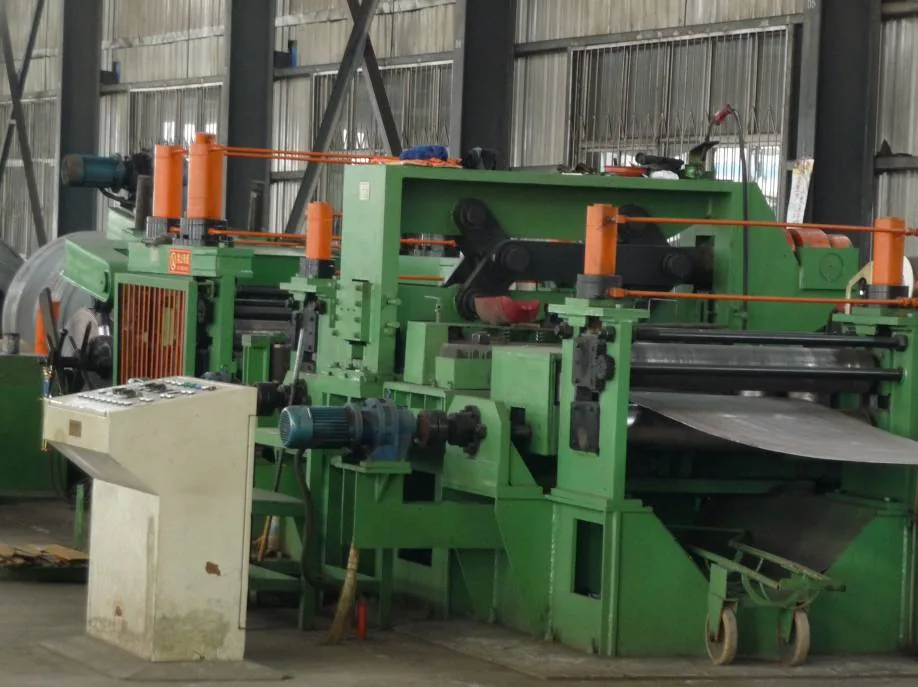
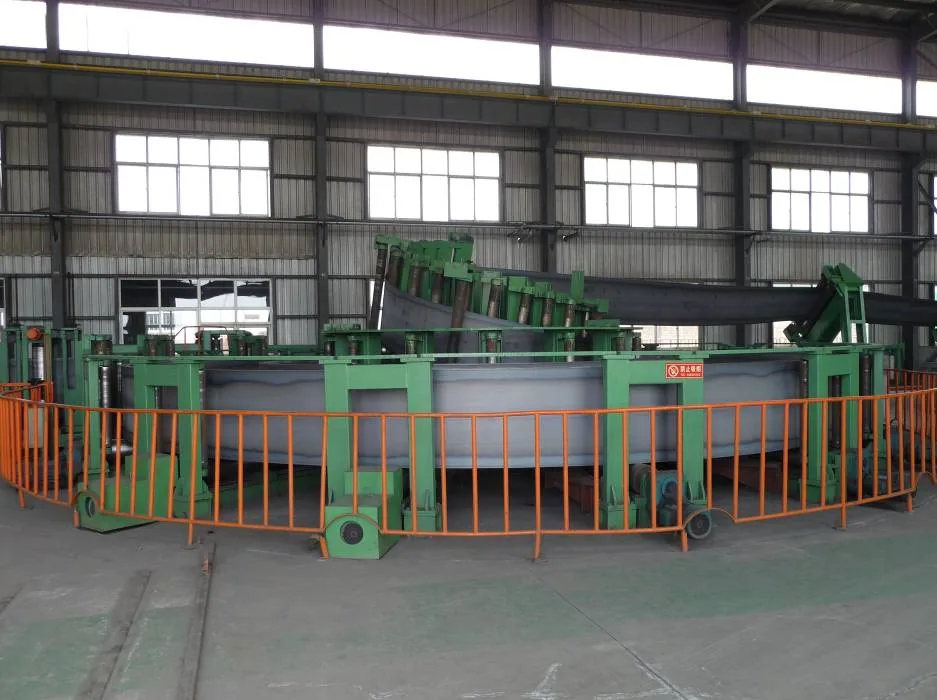
Line Photos from the Works
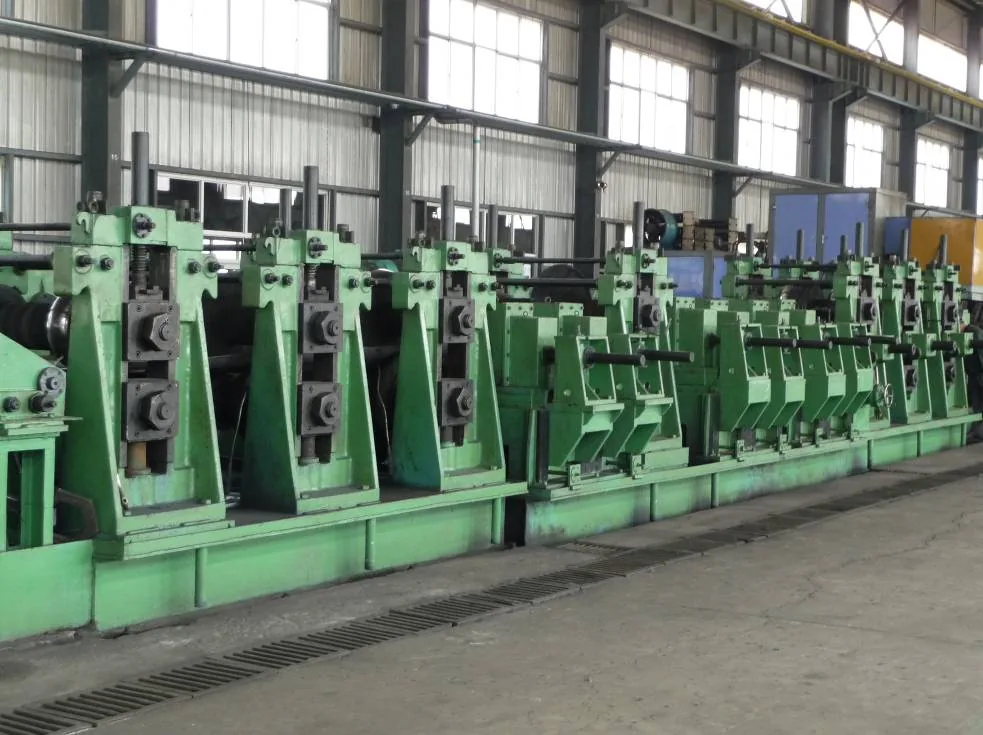
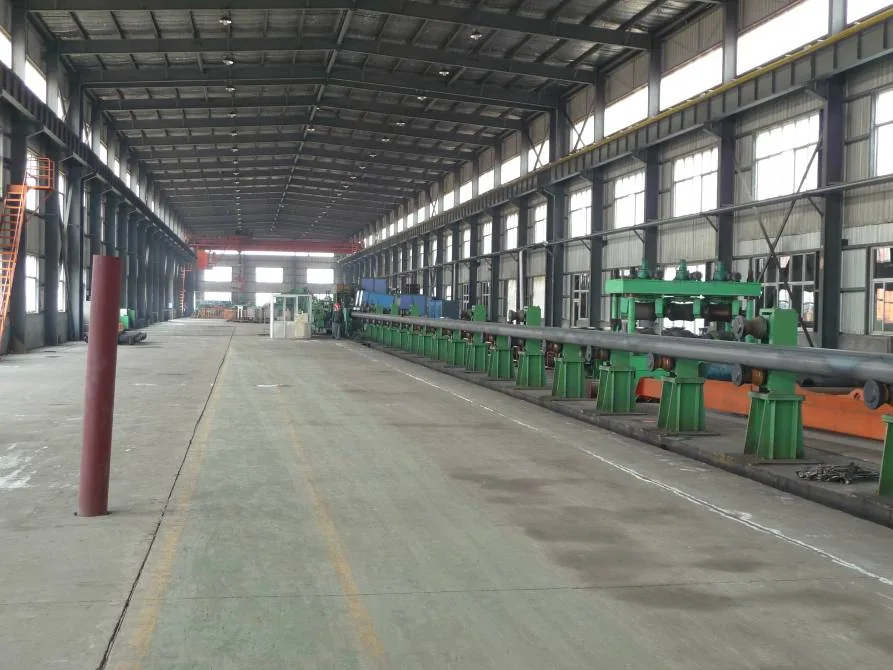
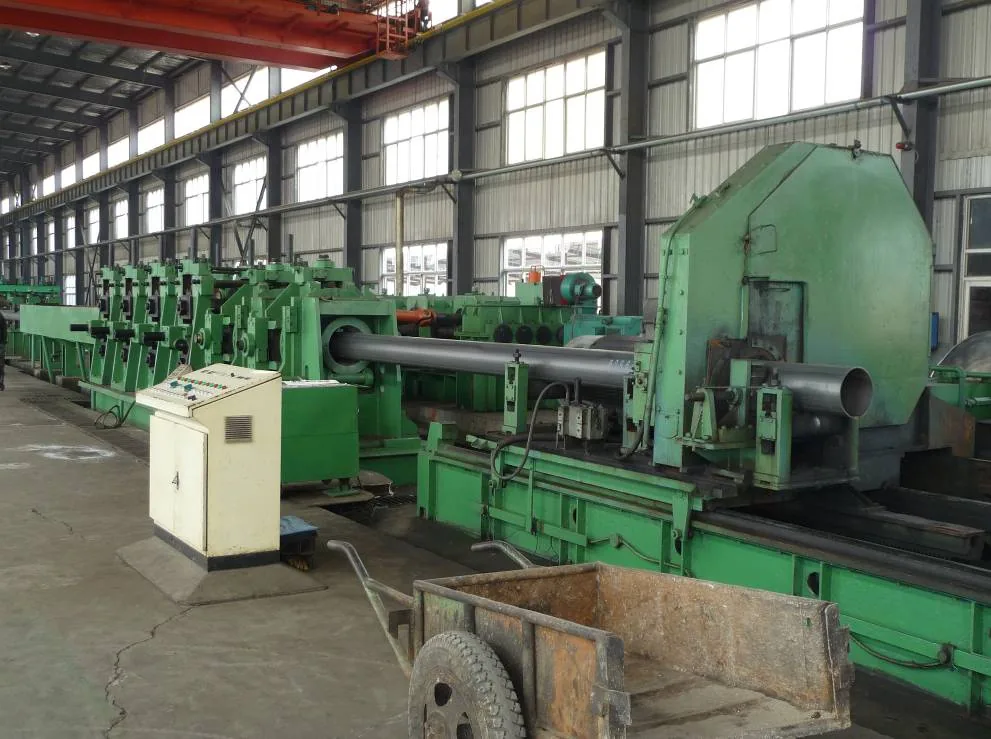
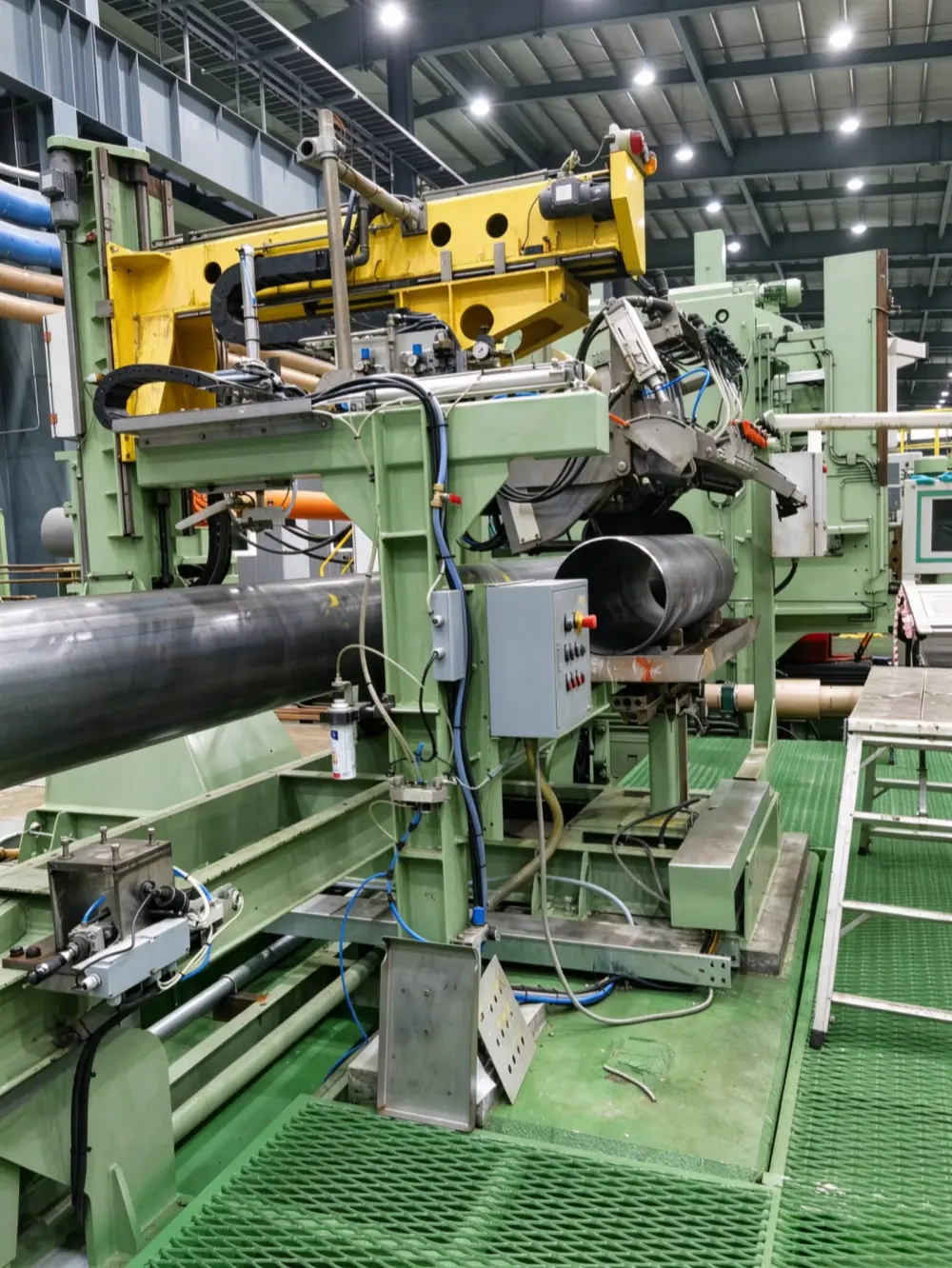
Eight photographs of this line from our works. Click any photo for the full-size image.
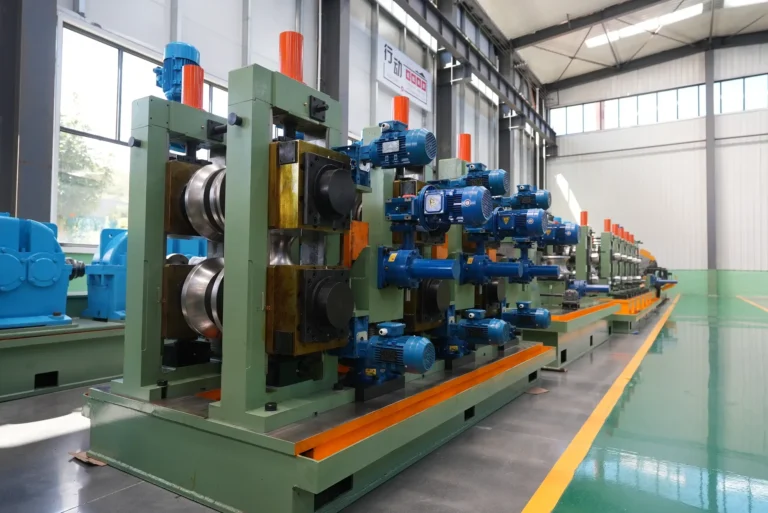 Tube Mill Rolls and Spares
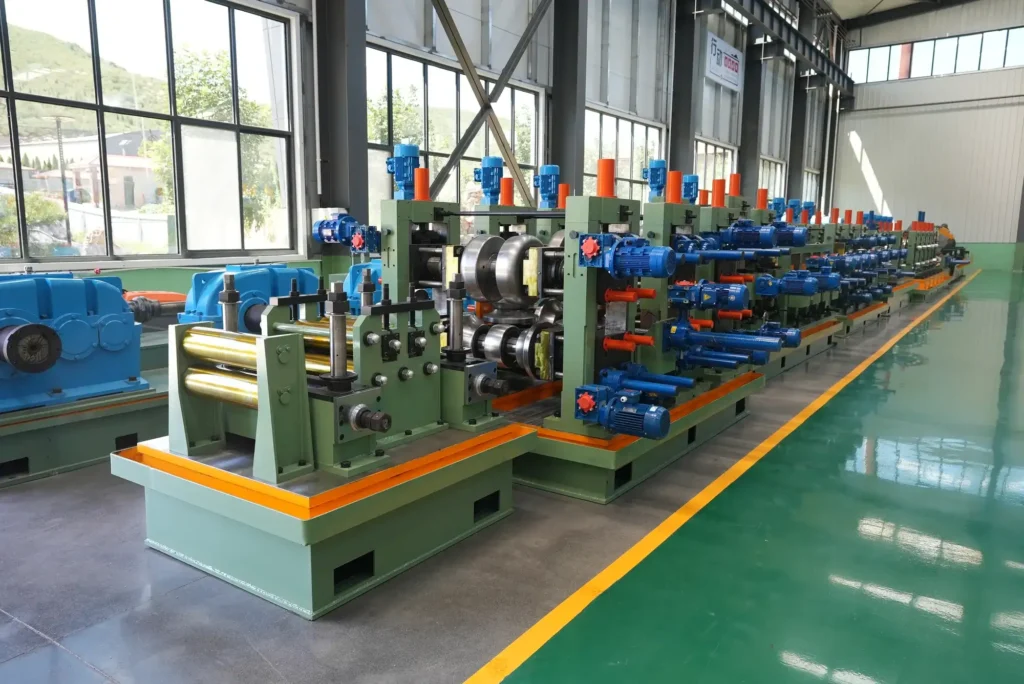 Tube Mill Manufacturer
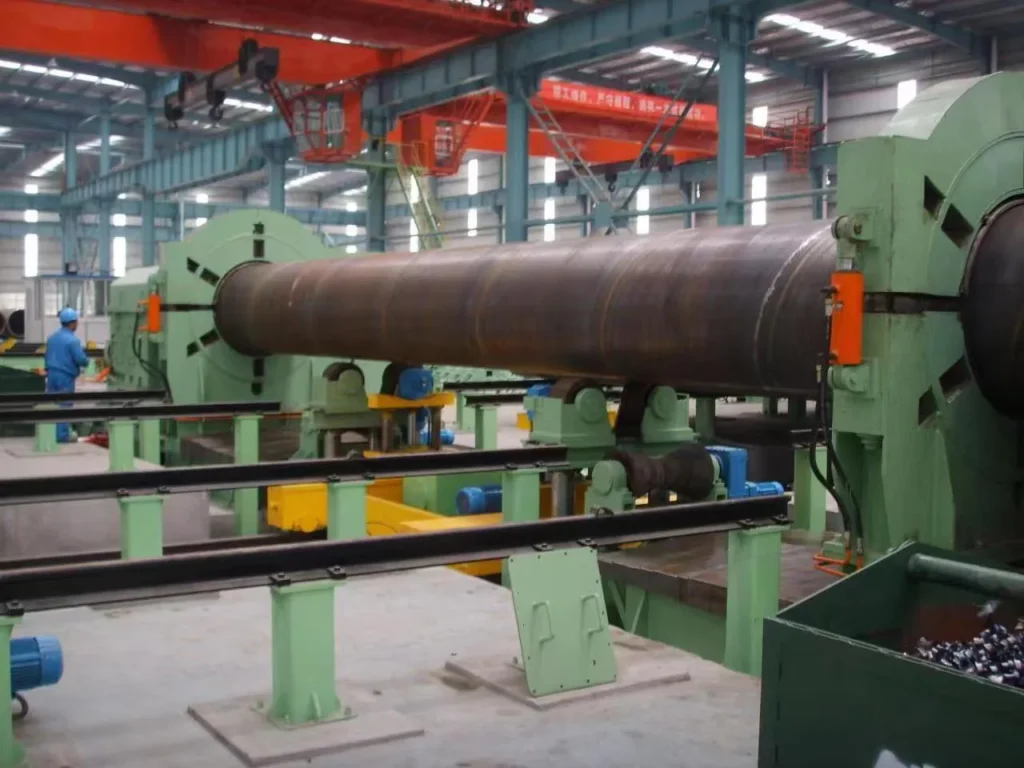 SSAW Spiral Welded Pipe Mill
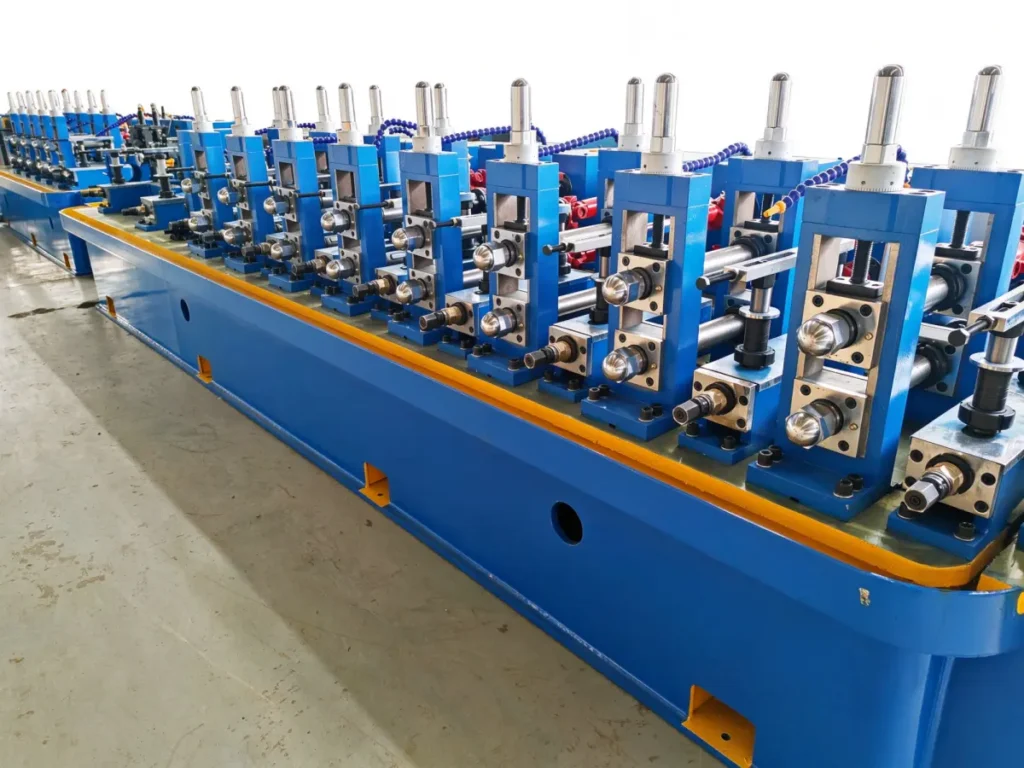 Small Diameter Tube Mill
Send Your Enquiry
Tell us the pipe outside-diameter range, the wall thickness and the output you need. An engineer reads every enquiry — it does not land in a general sales inbox.