
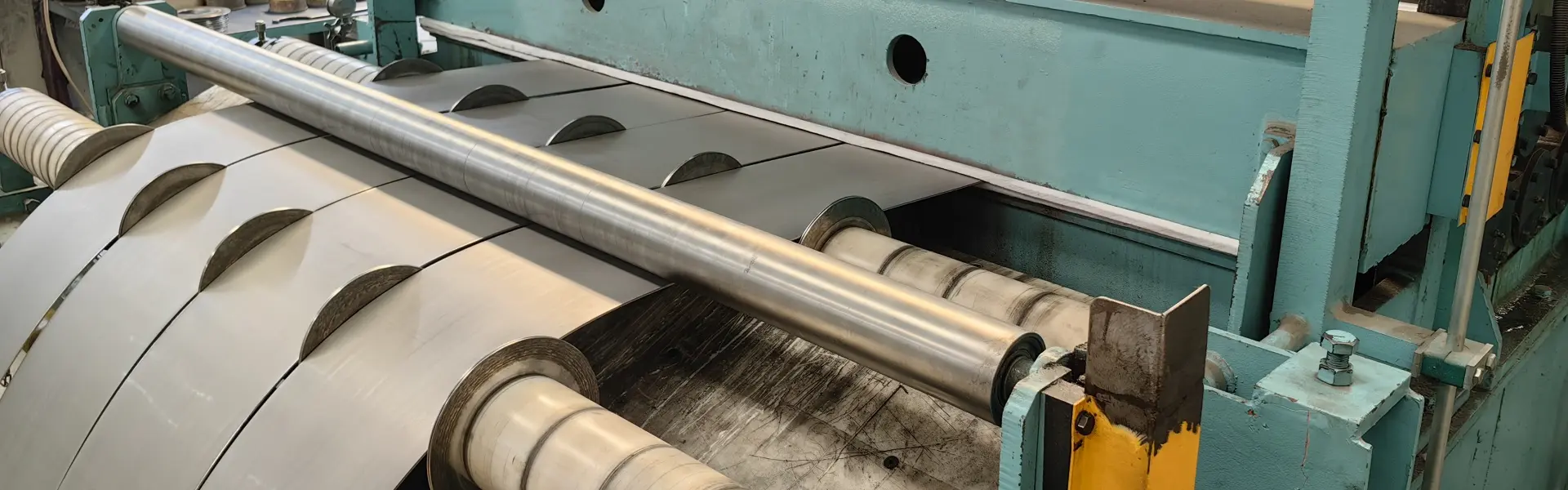
Steel Coil Slitting Line
A slitting line is upstream equipment.
In This Line
It does not make a product a buyer sells; it makes the strip that a tube mill or forming line can run. This range covers our CNC uncoiling, slitting and recoiling line.
What Is a Steel Coil Slitting Line?
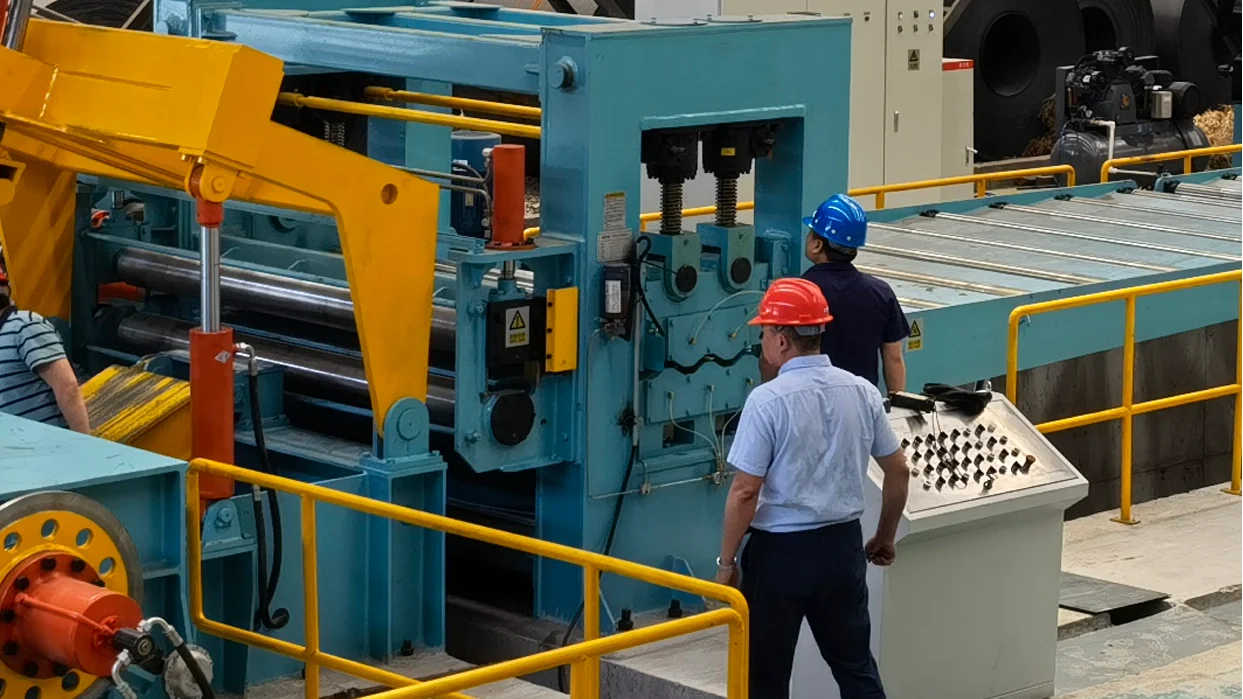
A steel coil slitting line, or steel slitter, uncoils a wide coil, levels it, slits it lengthways into narrower strips and recoils them, so the next line receives strip of the width it needs. It takes coil 1–12 mm thick, 800–2000 mm wide and up to 32 tonnes, and holds slit width to ±0.2 mm and camber to ≤0.5 mm per 1000 mm.
 Steel Coil Slitting MachineCoil 1–12 mm thick, 800–2000 mm wide, up to 32 tonnes.See the line →
 Slitting Line Running CostWhat a knife change actually consists of is a configuration decision keyed to strip thickness.See the line →
 Slitting PrecisionPrecision on such a line is not one number.See the line →
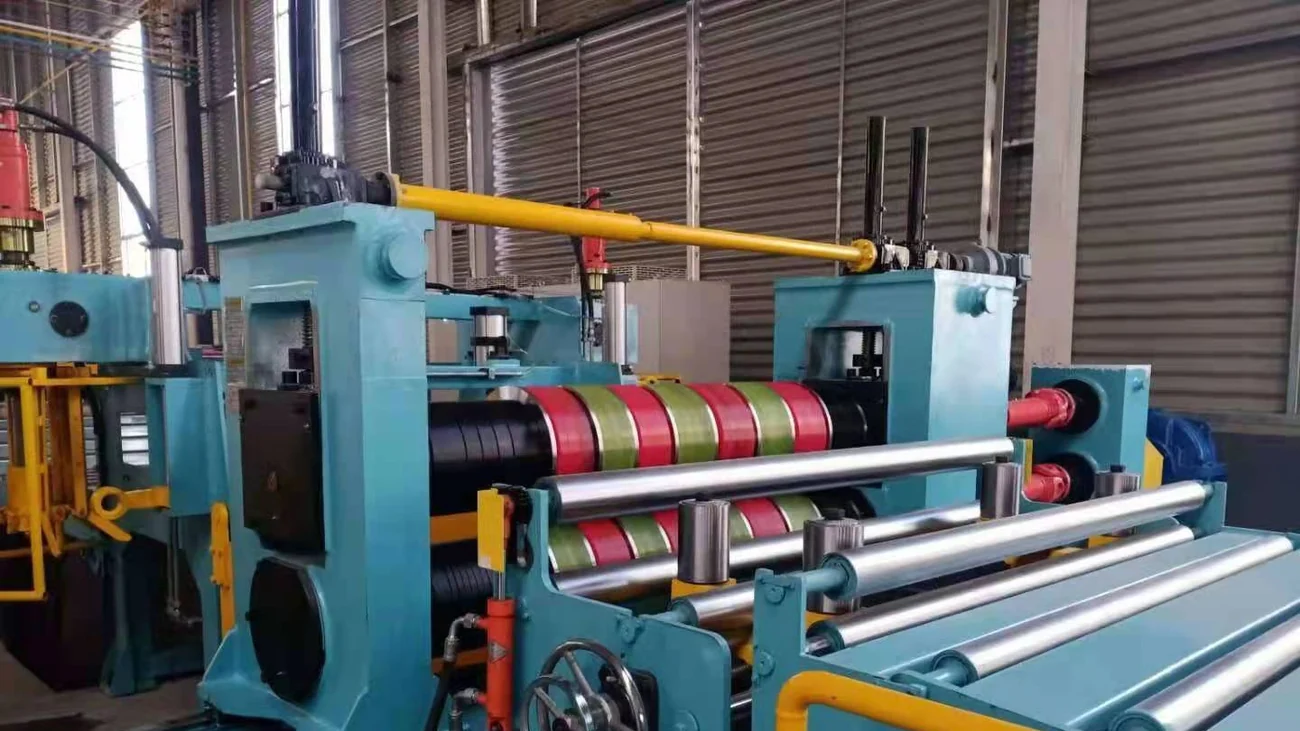 Slitting vs Cut-to-LengthThe envelope is 1 to 12 mm thick, 800 to 2000 mm wide, with coil weight up to 32 tonnes.See the line →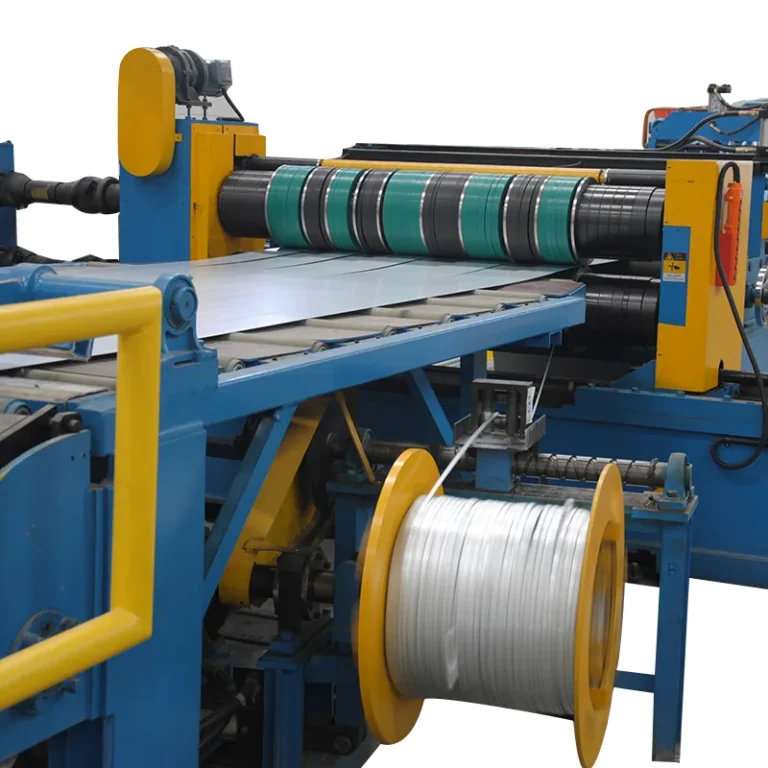
Steel Coil Slitting Line — Range, Configuration and Output
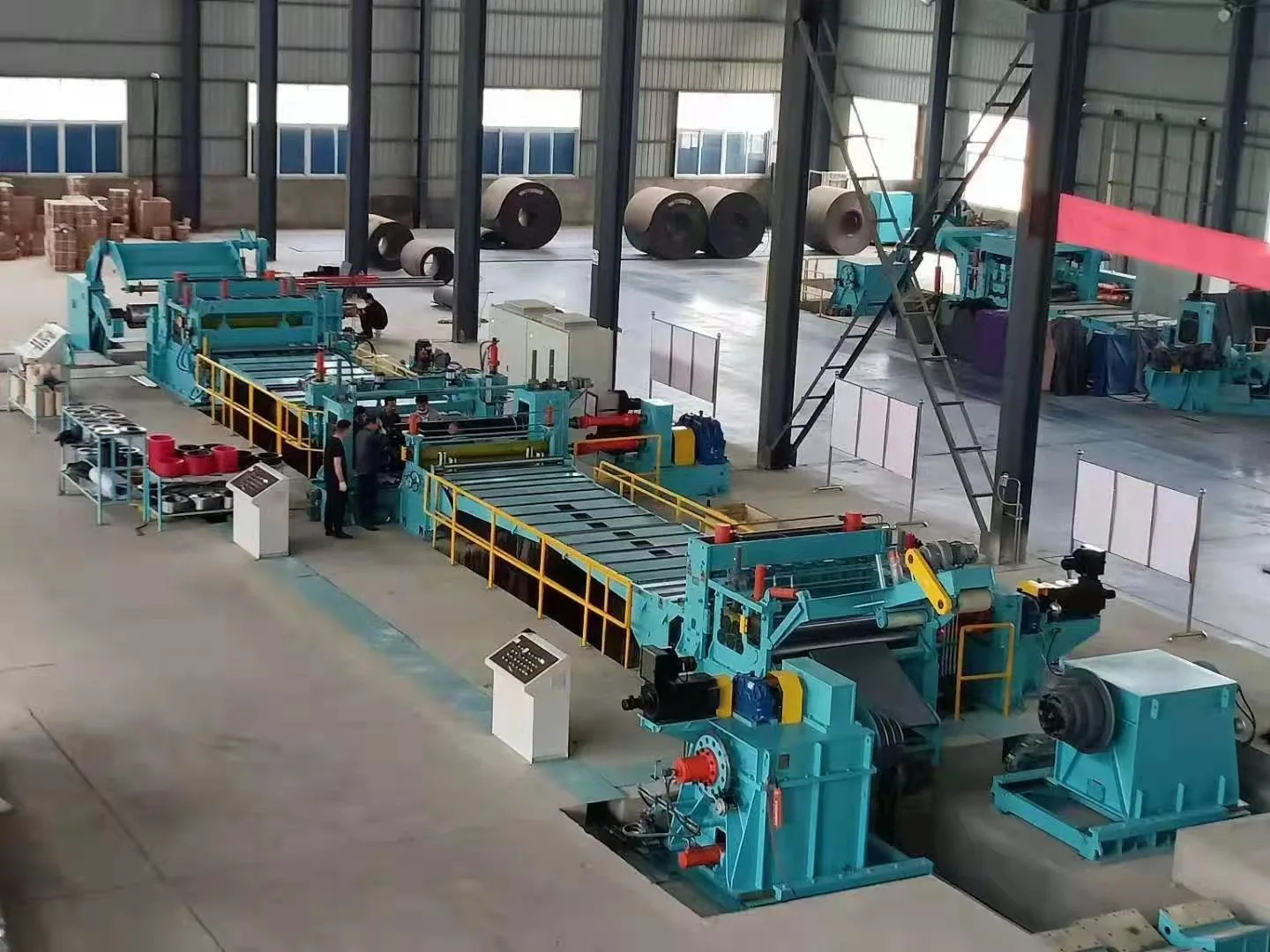
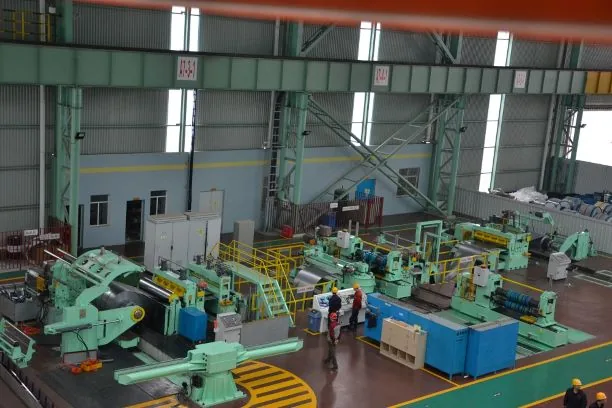
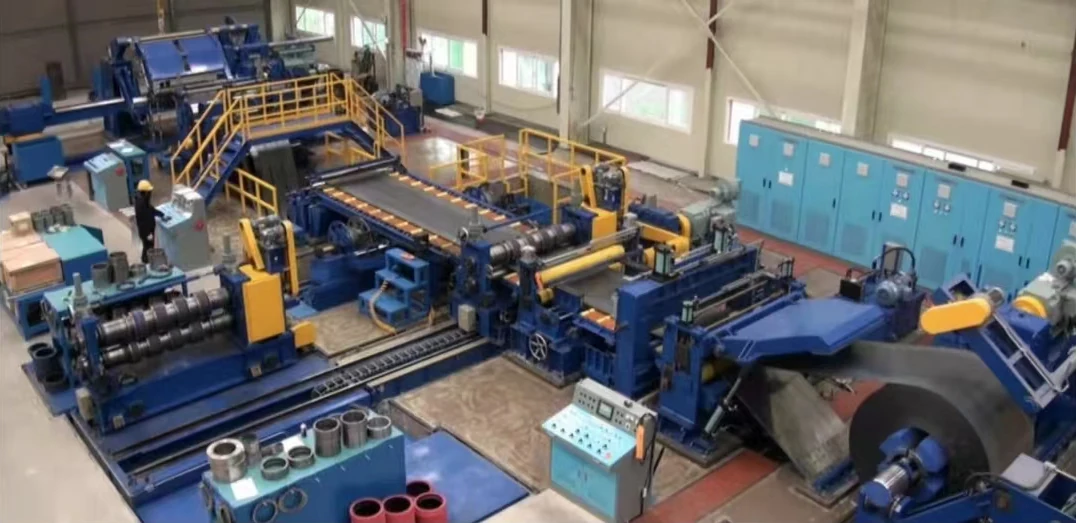
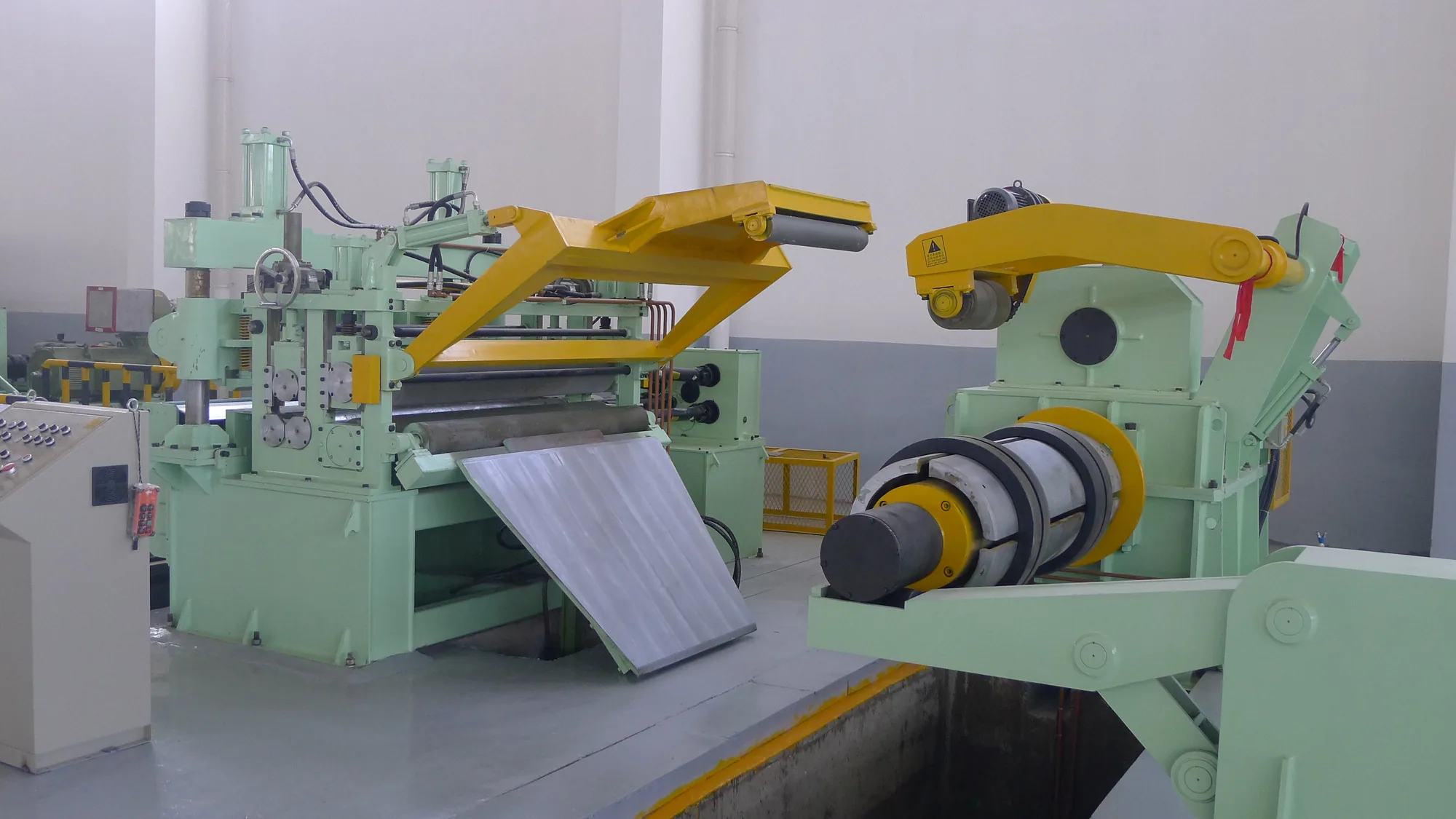
The main units are a double-head uncoiler, the slitter and a recoiler rated for 32-tonne coils, with a hydraulic shear, looper and tension unit handling the strip between them.
This line slits coil into strip. For cutting coil into flat sheet, see our cut-to-length line; for which of the two your plant needs, see slitting vs cut-to-length.
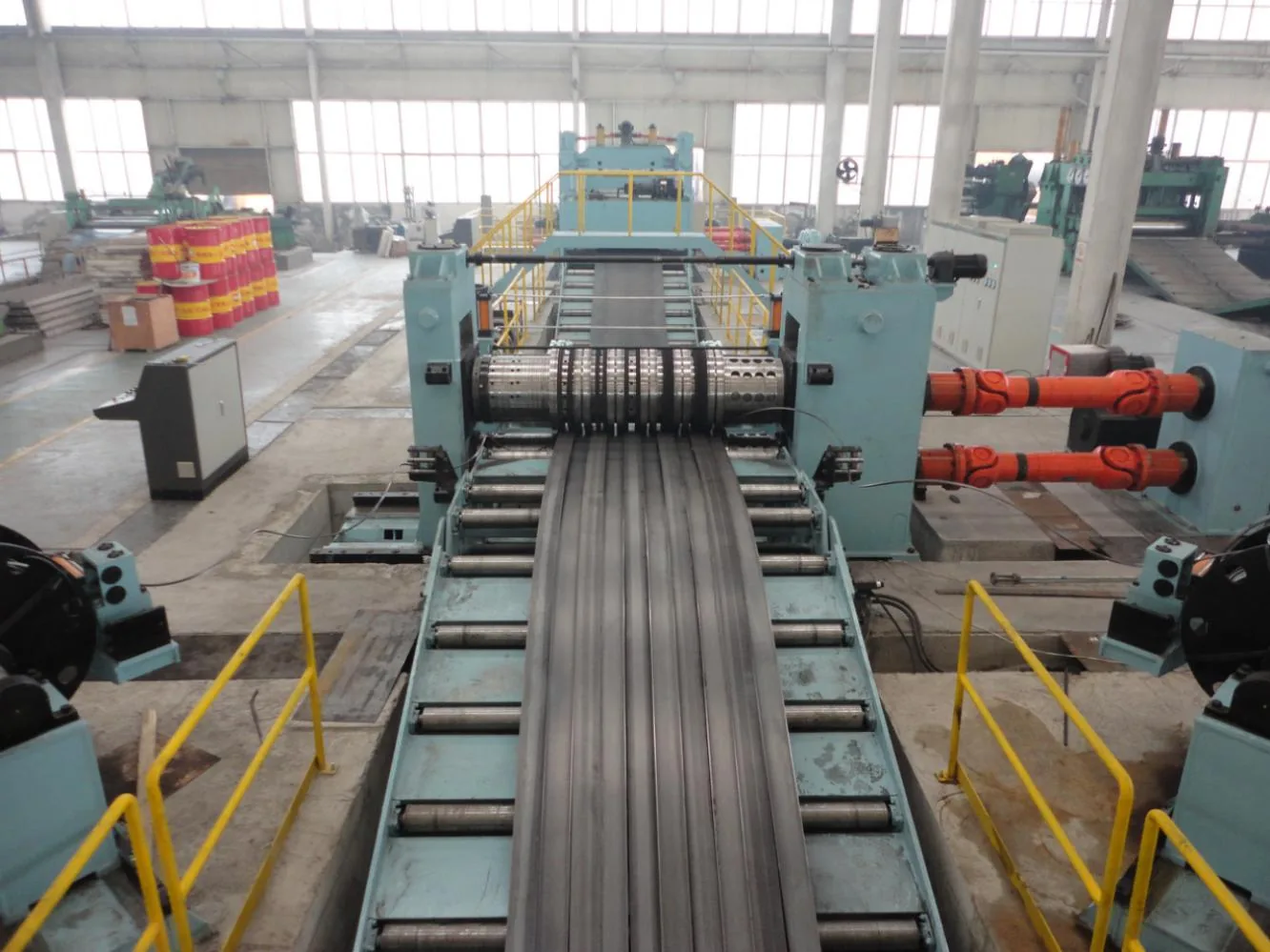
The flow is stage by stage: coil car and uncoiling, levelling, hydraulic shear, slitting, scrap-edge winding, looper, separation, tensioning and recoiling.
Key Parameters: Coil Width, Strip Thickness, Line Speed
Main parameters of the SL-12×2000 slitting line:
- Coil thickness: 1–12 mm, hot-rolled steel coil (yield strength ≤250 MPa, tensile strength ≤480 MPa).
- Coil width: 800–2000 mm; coil weight up to 32 t.
- Number of strips: up to 15 at 2 mm, 10 at 4 mm, 6 at 6 mm and 4 at 8 mm; minimum strip width 80 mm.
- Slit width tolerance: ±0.2 mm.
- Camber: ≤0.5 mm per 1000 mm (coil width ≥200 mm).
- Burr: ≤4% of material thickness.
- Telescoping on the recoil: within ±10 mm.
- Line speed: 30/100 m/min.
The full specification table is on our steel coil slitting machine page.
How to Choose the Right Model
Three inputs decide the configuration, and all three are on the coil rather than on the finished product: incoming thickness, incoming width, and coil weight. Those map straight onto the 1–12 mm, 800–2000 mm and 32 t window.
Knife and spacer configuration then follows from thickness, and it is the item that most often needs revisiting: worn or wrongly configured knives show up as width out of tolerance, heavy burr and camber.
Scope of Supply, Installation and Commissioning
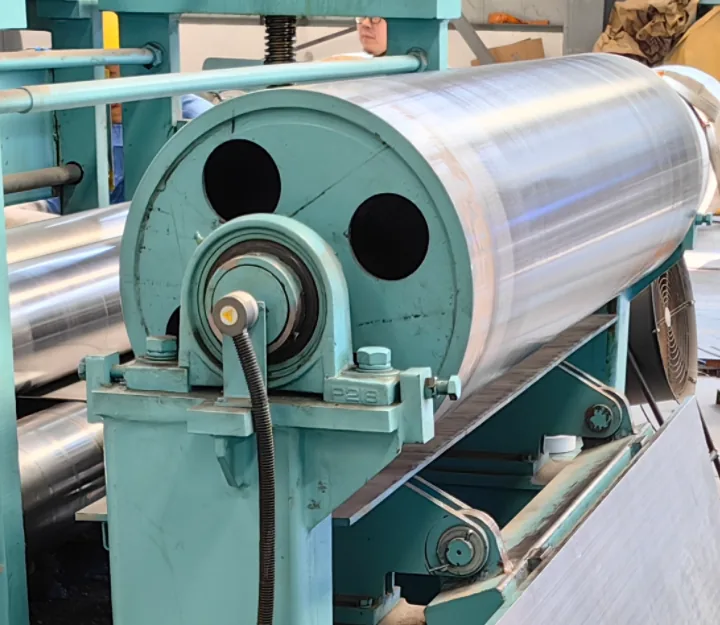
Slitting knives, spacers, rubber sleeves and separator discs are supplied as a matched set and can be resupplied; they are the wear items that hold the ±0.2 mm width tolerance.
Standard lines ship within 90 working days of the deposit, with plant-level customisation scheduled from our own manufacturing base.
The line is dismantled into units and shipped in containers: heavy frames are braced and secured, while precision parts and wear items travel in wooden cases together with a spare-parts pack.
Our engineers travel to site to guide installation, commissioning and operator training; the buyer provides the installation crew and covers the engineers’ travel, lodging and daily allowance, and support continues online after handover. Our after-sales team handles enquiries.
Payment is 30% by T/T on signing, 65% by T/T before shipment and 5% after installation and commissioning, or by L/C at sight; prices are quoted ex-works (EXW).
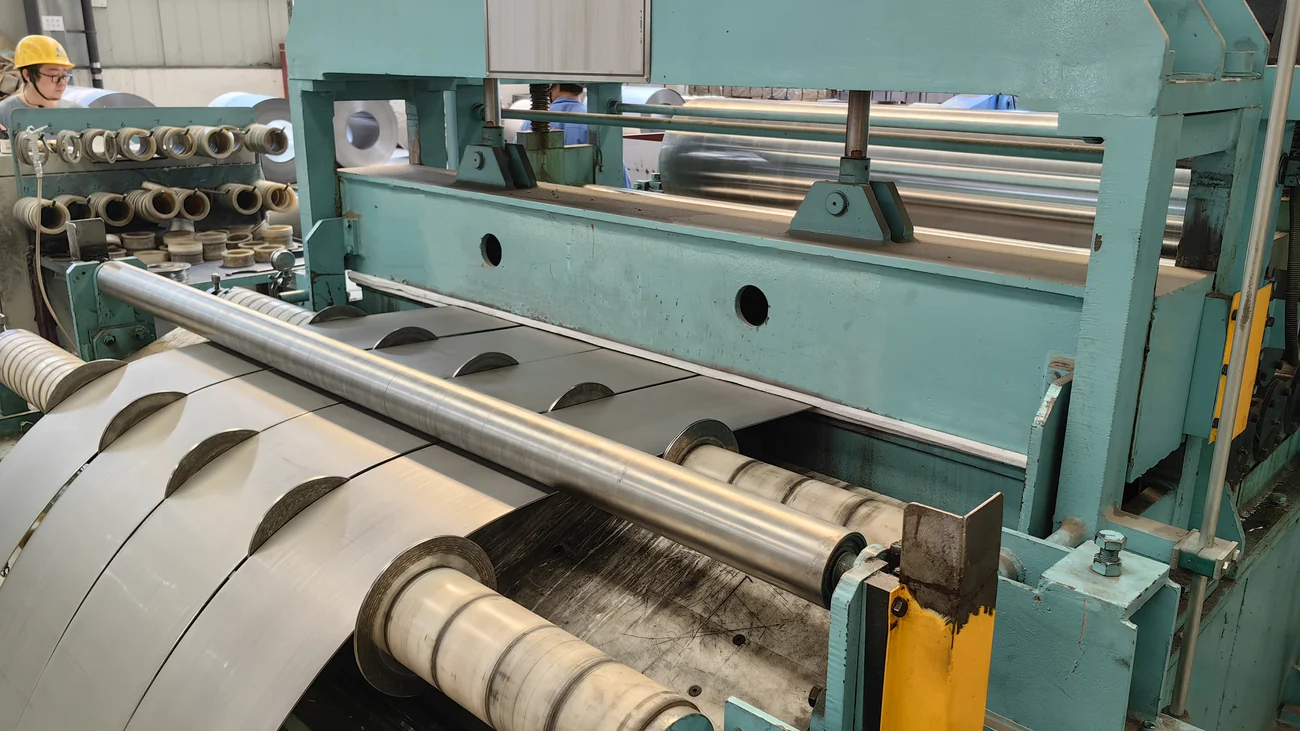
Slitting line for tube mill
A slitting line is bought for what it hands over to the next machine, whether that is a tube mill, a roll forming line or a steel service centre. For a tube mill, slit width becomes pipe diameter: strip that is out of width forms into pipe that is out of size, which is why the ±0.2 mm width tolerance matters more here than throughput. For a forming line making open sections, camber matters most, because a cambered strip forms a twisted profile; the limit on this line is ≤0.5 mm per 1000 mm. For both, burr of no more than 4% of material thickness and telescoping within ±10 mm on the recoil decide whether the coil runs cleanly. See the tube mill and welded pipe production lines this strip feeds.
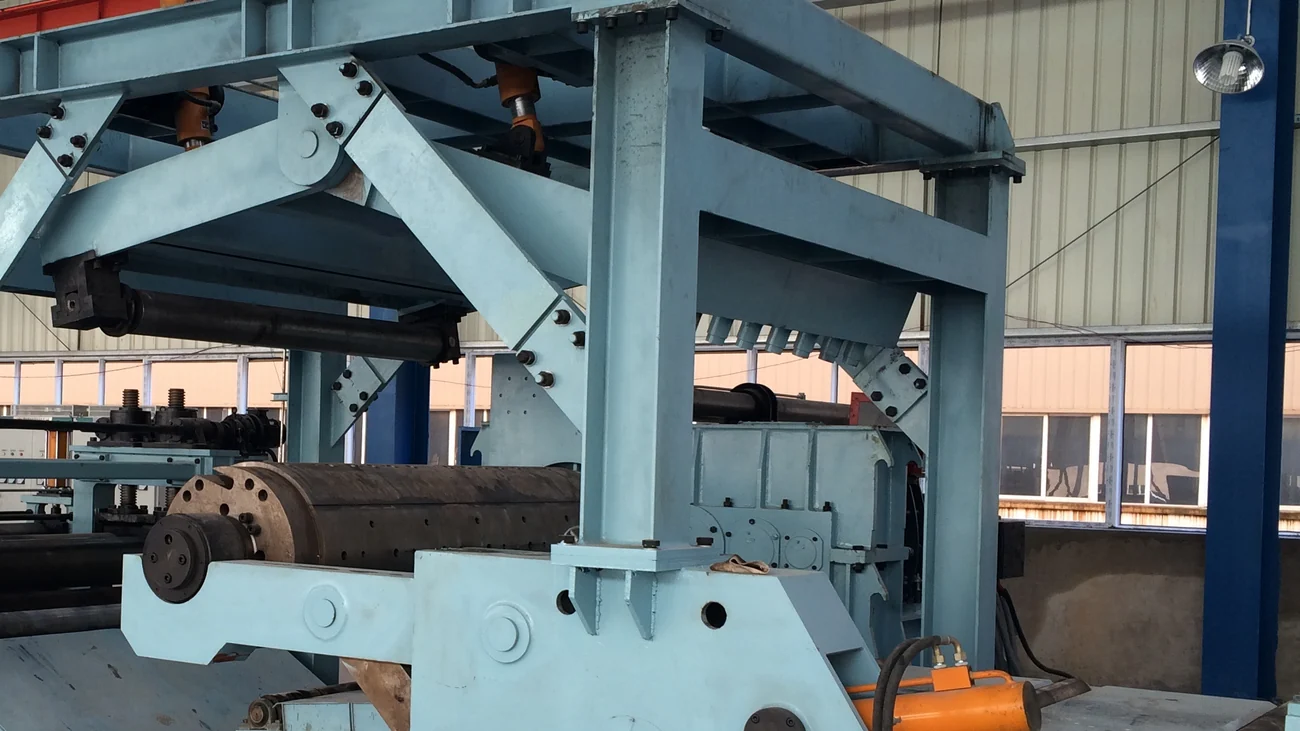
How the line holds width, burr and camber
Width is held by the knife and spacer stack, which is set for each strip thickness: up to 15 strips at 2 mm, 10 at 4 mm, 6 at 6 mm and 4 at 8 mm, with a minimum strip width of 80 mm. Burr is set by the clearance between the knives, so it can grow even while width is still in tolerance. Camber and telescoping are held after the cut by the looper, the separation and tension unit and the recoiler, which keep each strip under its own tension. Knife set-up and running cost are covered on our slitting line running cost page, and the tolerances in detail on our slitting precision page.
Certification
The company is certified to ISO 9001:2015, and our slitting lines are CE marked under the EC Machinery Directive 2006/42/EC. Tengtian holds a national high-tech enterprise certificate and a Madrid international trademark registration, and has 30 granted utility model patents, with 7 invention patents applied for.
What to send with an enquiry
Send us the incoming coil thickness, width and weight, the steel grade, the number and width of strips you need, and what the strip will feed downstream. That is enough for us to configure the knife set and size the coil slitting equipment. Distributors can also see our wholesale coil slitting machines page.
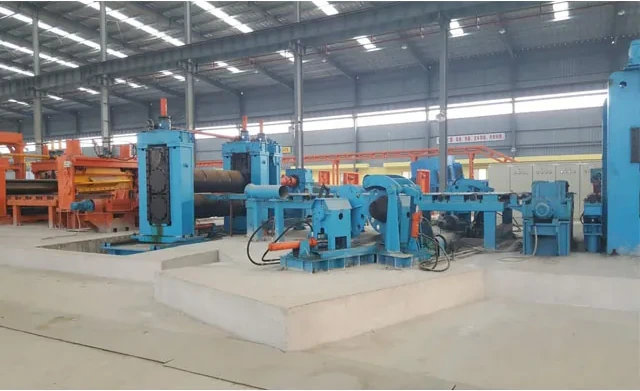
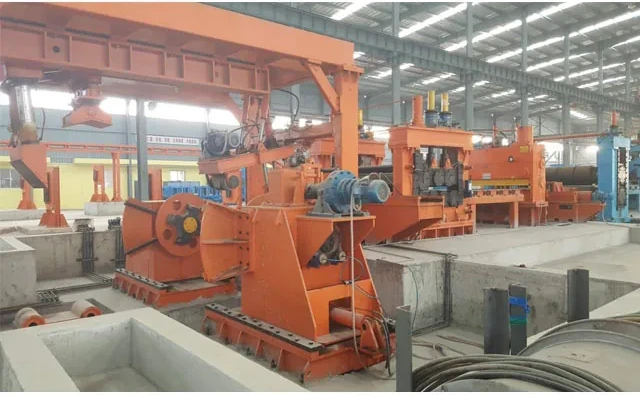
Line Photos from the Works
Six photographs of slitting lines we have built. Click any photo for the full-size image.
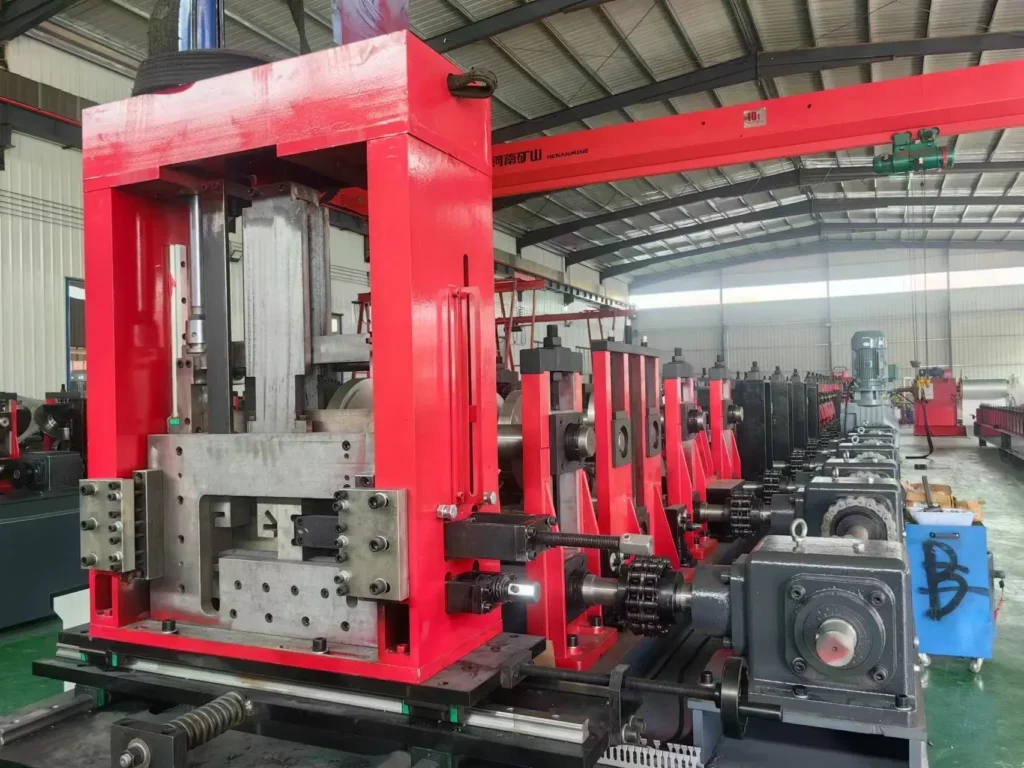 Roll Forming Machine
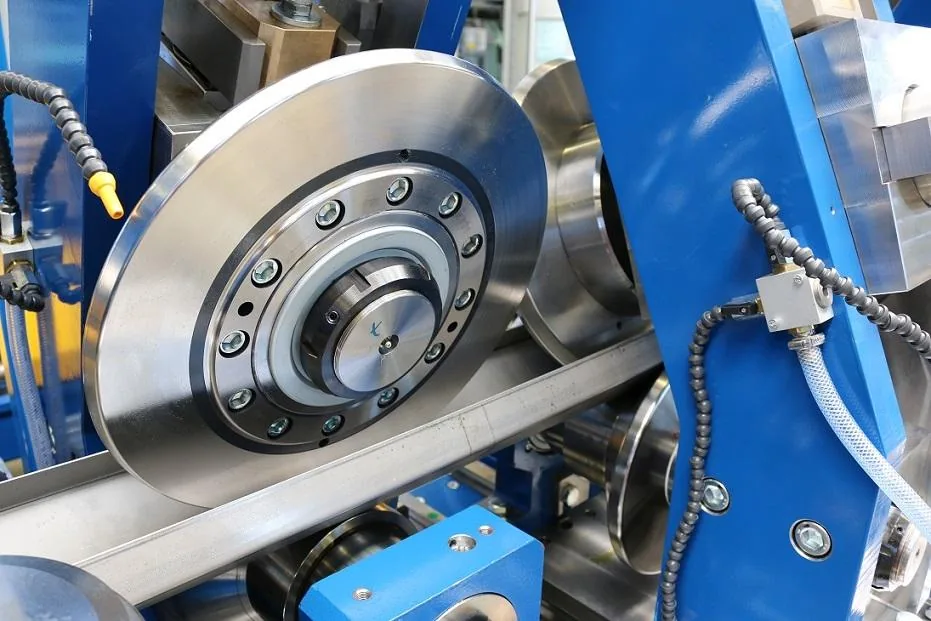 Purlin Machine Lines
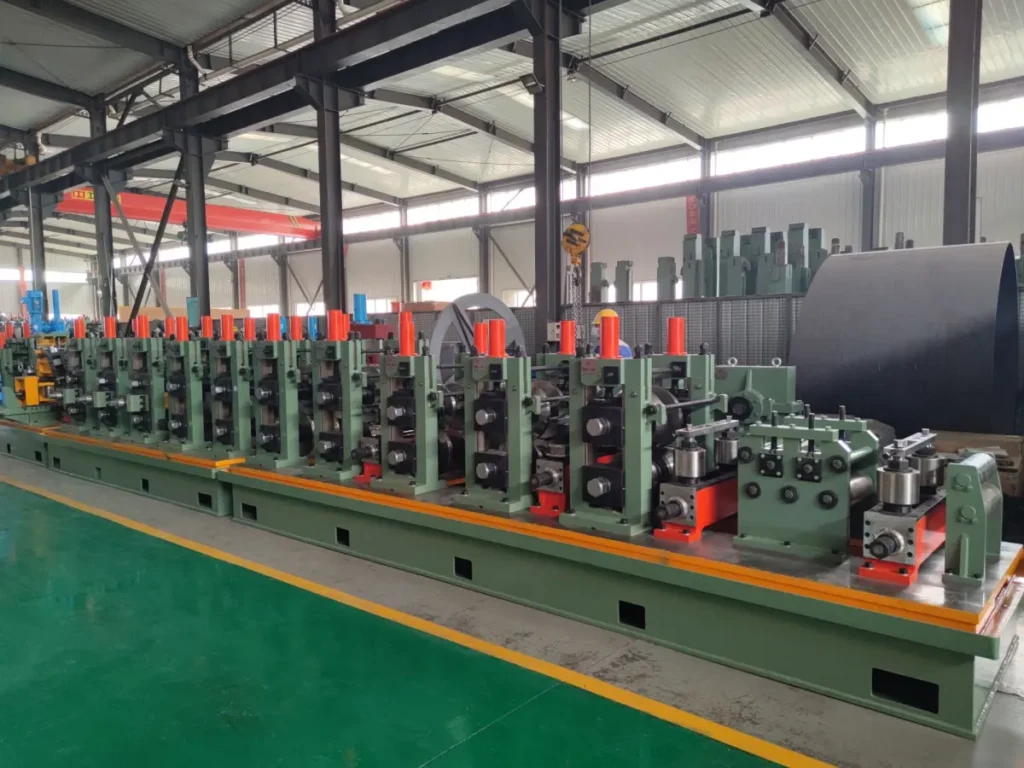 Pipe Production Applications
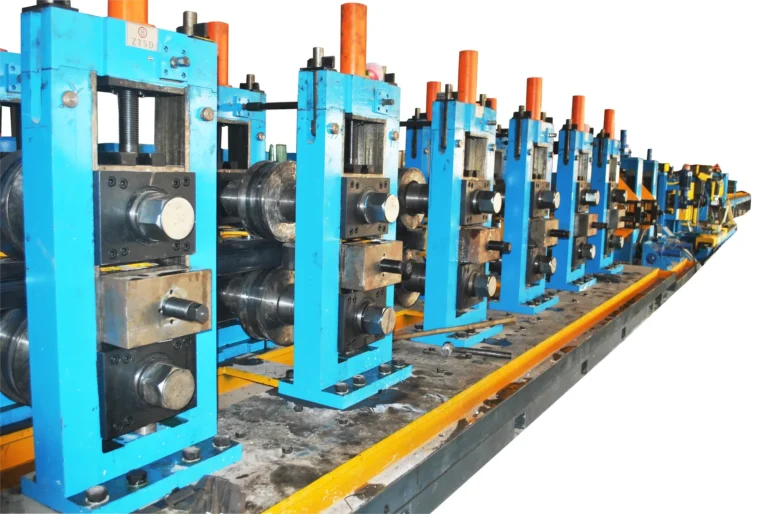 Large Diameter Tube Mill
Send Your Enquiry
Tell us the pipe outside-diameter range, the wall thickness and the output you need. An engineer reads every enquiry — it does not land in a general sales inbox.